

For many households, the garage ends up as the “overflow room” for everything that doesn’t fit inside the house. Bikes, boxes of old memorabilia, gardening tools, sports gear, Christmas decorations—you name it, it’s probably in there. The good news is, when you take the time to organise your garage, it can go from a cluttered catch-all to a practical and well-used space.
The trouble is, once clutter takes over, it can feel almost impossible to find anything or even use your garage for its main purpose: parking the car. But the good news is, with the right systems in place, your garage can transform from a chaotic catch-all into a functional, easy-to-navigate space.
Here’s your step-by-step guide on how to organise your garage like a professional.
Step 1: Declutter Before You Organise
The golden rule of organisation: don’t organise what you don’t need. Garages often house years of “just in case” items, forgotten hobbies, or broken gear.
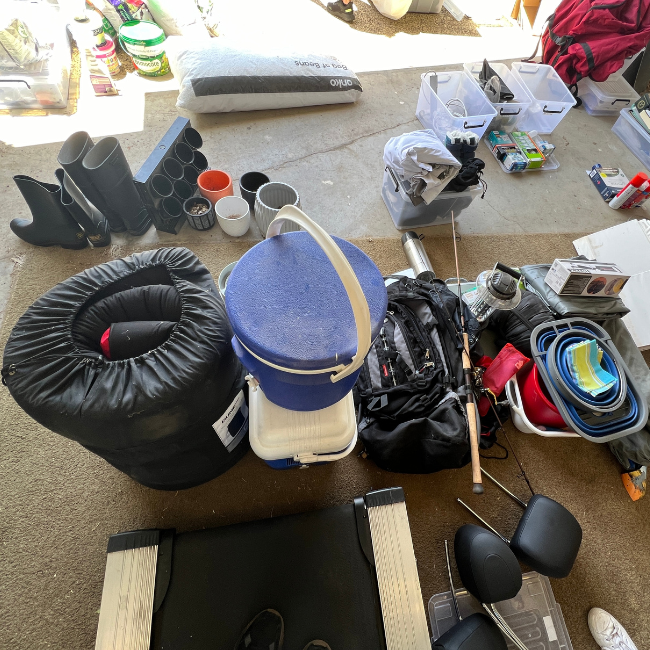
How to Declutter Effectively:
- Take Everything Out: Clear the garage completely (weather permitting). This helps you see the full extent of what’s in there and gives you a clean slate.
- Sort Into Four Categories:
- Keep: Only items you use regularly or truly need.
- Donate: Items in good condition that you no longer use (like sports gear or duplicate tools).
- Toss: Broken, damaged, or unusable items.
- Relocate: Belongings that don’t belong in the garage but ended up there.
- Be Honest: If you haven’t used it in the past year, chances are you won’t miss it.
- Dispose Responsibly: Check your local council for drop-off points for e-waste, paints, chemicals, and batteries.
Pro Tip: Schedule your decluttering day around council clean-up times or hire a skip bin so you can clear unwanted items quickly without the temptation to keep them.
Step 2: Group Similar Items Together
Once you’ve cleared out what you don’t need, the next step is grouping what’s left. Professionals call this categorising—and it’s the secret to an organised space.
Categories to Consider:
- Tools: Hammers, drills, screwdrivers, nails, screws, and other hardware.
- Gardening Supplies: Fertiliser, gloves, watering cans, pots, and small tools.
- Sports and Recreation: Balls, bats, scooters, bikes, helmets, and camping gear.
- Seasonal Décor: Christmas trees, Easter baskets, and outdoor lights.
- Car Care: Oils, cleaning products, spare tyres, and jumper cables.
- Household Overflow: Bulk toilet paper, spare appliances, or paint cans.
Pro Tip: Keep everyday items like school sports gear or dog leads easily accessible, while seasonal or rarely used items can be stored higher up or towards the back.
Step 3: Maximise Vertical and Ceiling Space
Floor space is often the most valuable and the most wasted in garages. To organise like a professional, think beyond the floor.
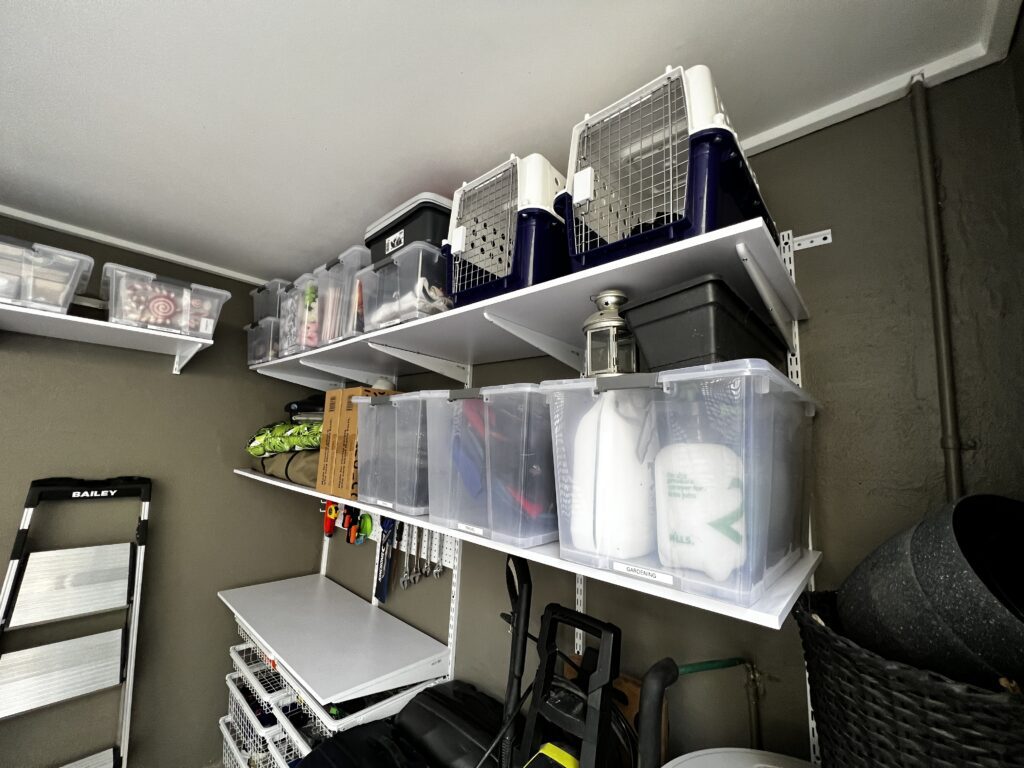
This garage setup was organised by Ducks in a Row.
Smart Vertical Storage Ideas:
- Wall-Mounted Shelves: Great for stacking tubs, keeping floors clear for vehicles.
- Pegboards: Perfect for small tools like spanners, screwdrivers, or gardening hand tools.
- Heavy-Duty Hooks: Store bikes, scooters, or ladders upright to free up floor space.
- Magnetic Strips: Keep drill bits, spanners, or other metal tools secure and within reach.
- Ceiling Storage Racks: Ideal for long-term storage of camping gear, holiday decorations, or suitcases.
Pro Tip: Before installing racks or shelving, measure your garage height to ensure your car still fits comfortably. Safety always comes first!
Step 4: Use Clear Bins and Labels
Nothing slows you down like opening 10 boxes to find one item. Clear bins and labelling make it easy to spot what you need at a glance.
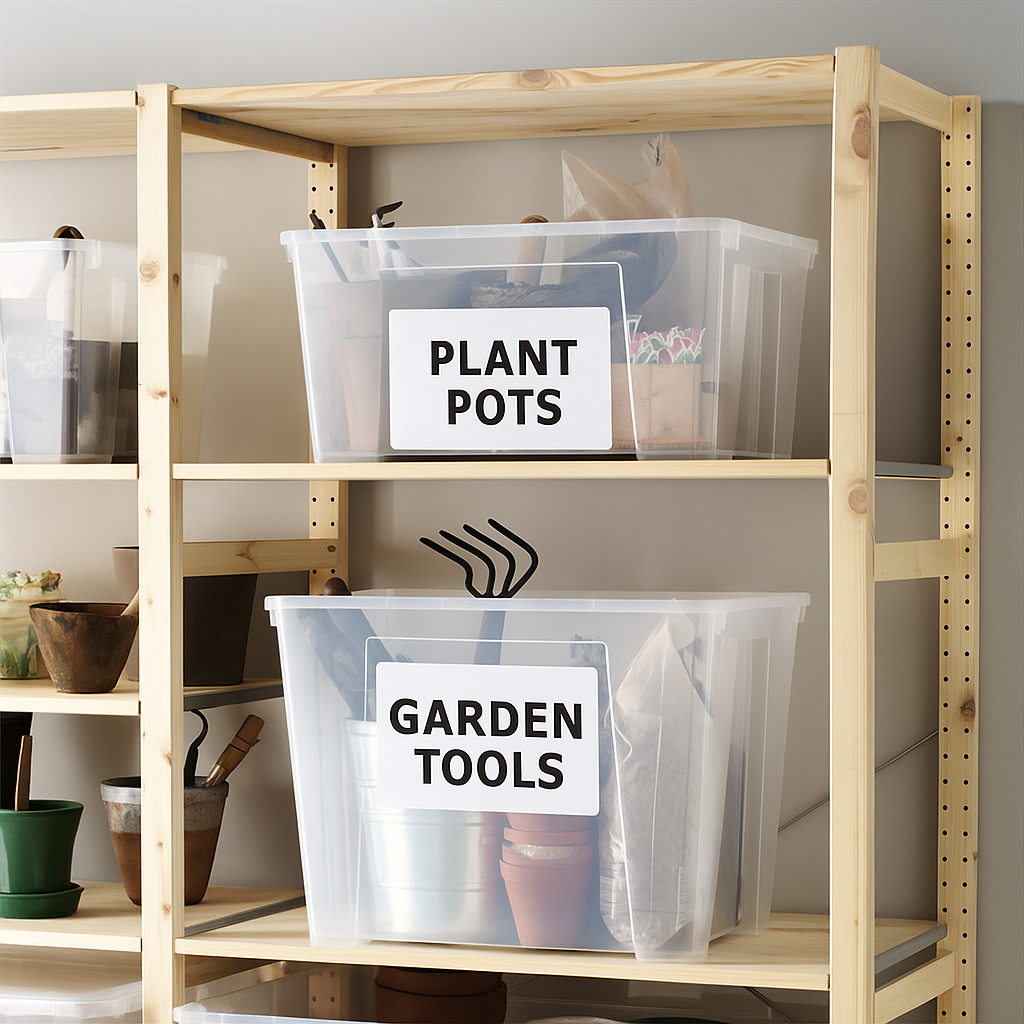
Image source: Ikea
Labelling Tips That Work:
- Use Large, Legible Labels: So you can see them quickly, even from a distance.
- Colour-Coded Labels: Assign each family member or category a colour (e.g., blue for sports, green for gardening).
- Photo Labels for Kids: If you want your children to return their gear, add pictures to bins—so even non-readers know where things belong.
- Double Labelling: Label both the bin and the shelf it belongs on for quick returns.
Pro Tip: Invest in a simple label maker (Officeworks has affordable options) for a polished, uniform look that feels professional.
Step 5: Create Functional Zones
Dividing your garage into zones helps every family member know where things belong. Think of it like giving every category its own “home.”
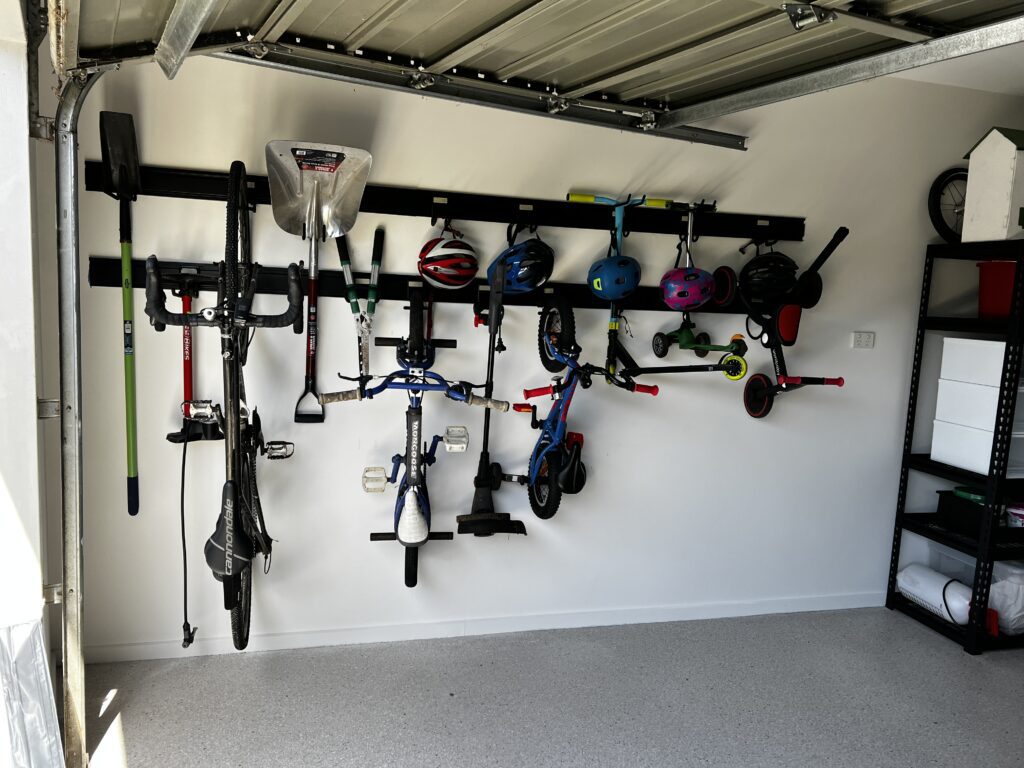
This garage setup was organised by Ducks in a Row.
Garage Zone Ideas:
- Sports Zone: Baskets for balls, hooks for bikes, shelves for helmets and gear.
- Tool Station: A sturdy workbench, pegboard, and drawers for screws, nails, and DIY supplies.
- Garden Zone: Hooks for rakes and shovels, shelves for fertiliser and pots.
- Seasonal Zone: Clear tubs stacked neatly for holiday decorations and camping equipment.
- Car Care Zone: A shelf near the car for car wash gear, oils, and cleaning cloths.
Pro Tip: Use tape on the floor to outline parking and walking zones. This ensures storage doesn’t spill into areas where cars or people need to move safely.
Step 6: Invest in the Right Storage Solutions
The best storage solutions don’t need to be expensive—but they do need to be functional and durable.

Image source: Kmart
Professional-Grade Storage Ideas:
- Heavy-Duty Shelving Units: Choose steel or industrial-grade plastic that can hold bulky boxes.
- Stackable Tubs: Use uniform tubs to make stacking safer and neater.
- Rolling Tool Chests: Keep all your tools together, with wheels for flexibility.
- Bike Racks: Wall-mounted or ceiling pulley systems save huge amounts of floor space.
- Lockable Cabinets: Ideal for storing chemicals, paints, or sharp tools safely away from children.
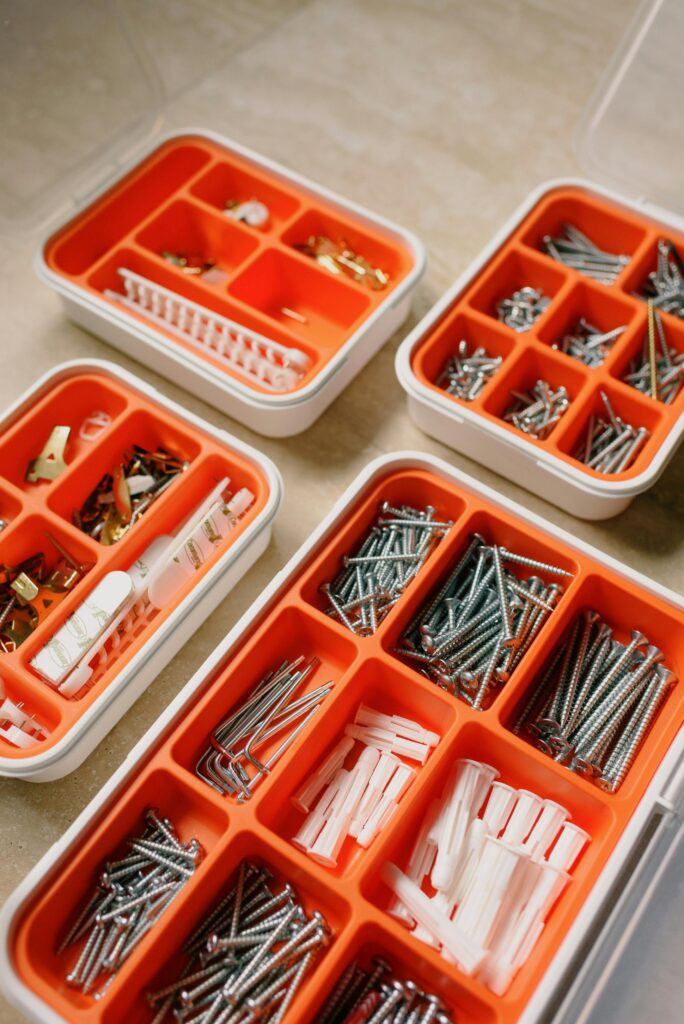
- Small Parts Organisers: Perfect for screws, bolts, nails, and other tiny essentials.
Pro Tip: Measure your shelves and tubs before buying. A mismatched setup wastes space and becomes frustrating long term.
Step 7: Maintain with a Routine
Organisation isn’t a one-time task—it’s a habit. To keep your garage clutter-free long term, build maintenance into your routine.
Easy Maintenance Habits:
- Weekly Tidy-Up: Spend 10 minutes putting items back where they belong.
- Seasonal Declutter: At the start of each season, review what you haven’t used. Donate or toss anything that’s sitting idle.
- Family Responsibility: Assign zones to family members. Kids can be in charge of the sports section, while adults oversee tools or gardening.
- The One-In, One-Out Rule: When a new item enters (like a power tool or sports gear), something else should leave to prevent build-up.
Pro Tip: Add a donation box to the garage. As soon as you notice something you no longer need, toss it in. Once it’s full, take it to your local op shop.
Final Thoughts
A garage doesn’t need to be a dumping ground. With thoughtful zones, clever storage, and a little routine maintenance, you can reclaim this space and actually enjoy using it. Imagine a garage where you can easily find the gardening gloves, the kids’ footy gear, or the exact drill bit you need—without the stress of digging through piles.
If the idea of tackling your garage still feels overwhelming, you don’t have to go it alone. Book your free consultation with Ducks in a Row Home Organisation and let us help you design a functional, clutter-free garage tailored to your family’s needs.