
Clutter is more than just the random pile of clothes on your chair or the stack of unopened mail sitting on the kitchen counter. It’s that heavy feeling when you can’t find your keys in the morning, the frustration when your wardrobe is overflowing but you still can’t find anything to wear, or the endless mental chatter of unfinished tasks.
In short: clutter takes up space in both your home and your head.
The good news? You don’t have to live like this. With a few simple but powerful steps, you can declutter your life—tidying both your environment and your mindset so you can enjoy more peace, productivity and happiness.
Quick Takeaways
- A cluttered home and a cluttered mind feed each other — tackle both.
- Start small, use one-in-one-out, and declutter by category for momentum.
- Include the digital and mental clutter; systems make it a lifestyle.
The Link Between a Cluttered Home and a Cluttered Mind
Have you ever noticed how walking into a messy room instantly makes you feel tense? Or how hard it is to relax when there’s a pile of dishes in the sink? That’s not just in your imagination. Studies show that physical clutter increases cortisol (the stress hormone), which can make you feel anxious, overwhelmed, or even guilty.
When our spaces are chaotic, our brains have to process more visual information, which reduces focus and energy. On the flip side, clean and organised spaces are linked to greater calm, better sleep, and improved productivity.
Key takeaway: Decluttering isn’t just about making your home look neat. It’s about creating an environment that supports your mental wellbeing.
Step 1: Start Small and Celebrate the Wins
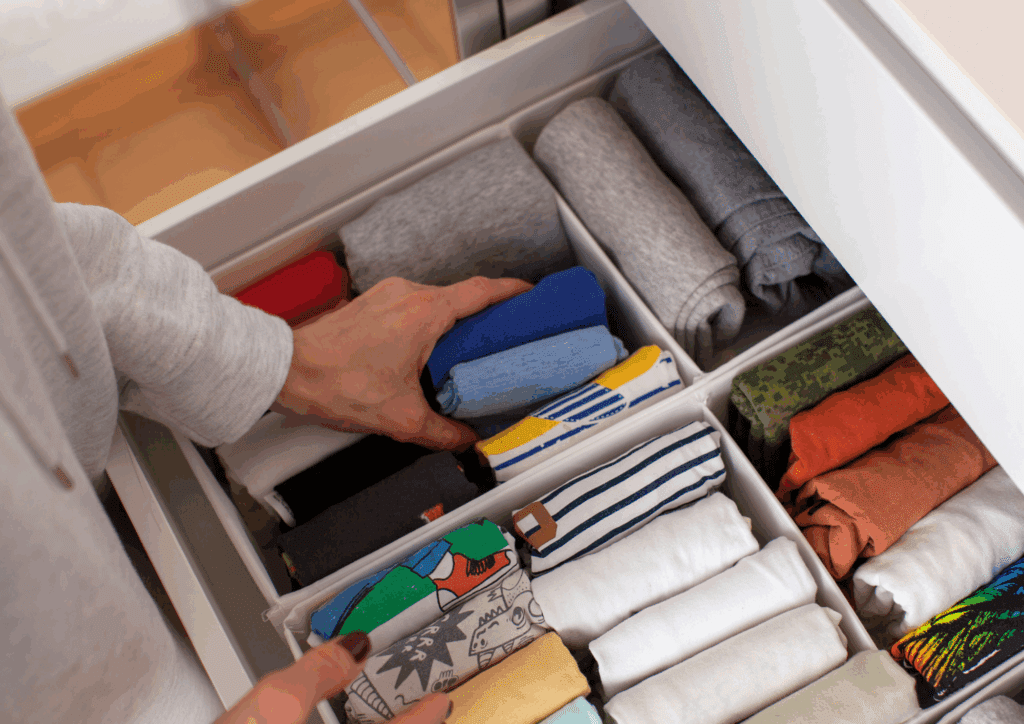
The idea of decluttering your whole home or overhauling your mindset can feel overwhelming. That’s why the best way to begin is to start small.
- Pick a small area: a single drawer, your bedside table, or even just your handbag.
- Set a timer: Give yourself 10–15 minutes and do as much as you can in that time.
- Look for quick wins: Toss expired pantry items, recycle old receipts, or donate clothes you haven’t worn in years.
Each small victory boosts your motivation and builds momentum. Remember: progress over perfection.
Step 2: The Power of the One-In, One-Out Rule
It’s easy to clear out a space only to have it fill right back up. That’s why maintenance is just as important as the initial declutter.
Adopt the one-in, one-out rule: whenever something new comes into your home, something else must leave.
- Bought a new shirt? Donate one you no longer wear.
- Got a new book? Pass on an old one to a friend or local library.
- Picked up a new kitchen gadget? Rehome the duplicate that’s gathering dust.
This simple rule keeps clutter from sneaking back in and makes decluttering a lifestyle, not a one-off project.
Step 3: Declutter by Category for Maximum Impact

Room-by-room decluttering works, but it can also hide the bigger picture. When you organise by category instead, you see everything you own and can make smarter decisions.
For example:
- Clothing: Gather clothes from wardrobes, laundry baskets, and even the back seat of your car. Lay them all out and sort in one go.
- Books: Collect them from every room, then decide what you actually love and use.
- Paperwork: Gather bills, warranties, receipts, and random notes into one pile, then sort.
This method (popularised by the KonMari approach) prevents duplicates, encourages mindful choices, and helps you truly see how much you have.
Step 4: Create Systems That Simplify Daily Life
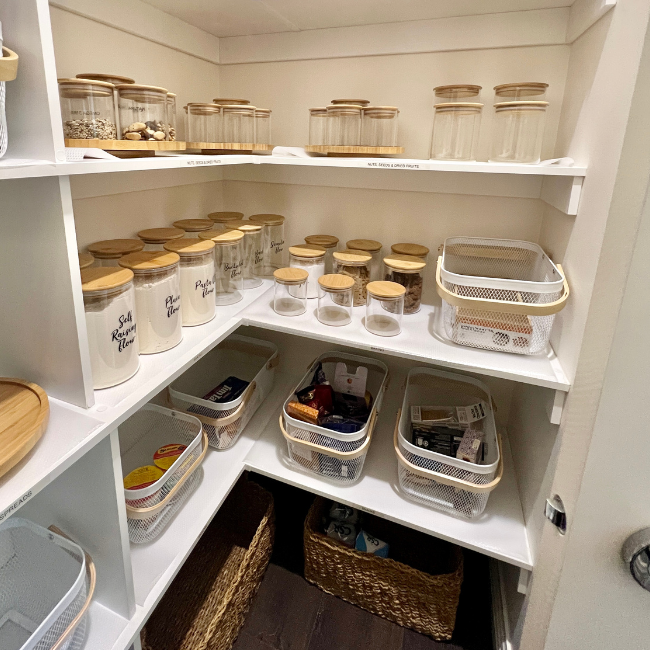
Organised by Ducks in a Row
Decluttering isn’t just about removing items—it’s also about creating systems that make your home function smoothly.
Here are some ideas:
- Pantry organisation: Use baskets, jars, and labels so everything has a place.
- Wardrobe flow: Group clothing by type (shirts, pants, dresses) or even by colour for easier mornings.
- Bathroom supplies: Store everyday essentials in clear bins or drawer organisers.
- Paper control: Scan important documents and set up a simple filing system.
- Entryway drop zone: A small tray for keys, a hook for bags, and a shoe basket can stop clutter before it spreads.
Systems reduce decision fatigue, save time, and help you keep your home organised long-term.
Step 5: Declutter Your Digital World
Our homes aren’t the only places overwhelmed by clutter. Phones, laptops, and inboxes can be just as chaotic. Digital clutter drains energy and makes it harder to focus.
To clear your digital space:
- Inbox zero (or close to it): Unsubscribe from newsletters you don’t read. Create folders for bills, work, and personal emails.
- Streamline your apps: Delete unused apps and organise the rest into folders.
- Tidy your desktop: Keep only a few key shortcuts visible. File the rest into folders.
- Clear your camera roll: Delete duplicates and blurry shots, and back up the rest to the cloud.
Your devices should support your life, not overwhelm it. A digital detox can be just as refreshing as a clean kitchen.
Step 6: Declutter Your Mind

Clutter isn’t always physical. Sometimes the heaviest clutter is mental—the endless to-do list running through your head, the guilt over unfinished projects, or the worry about things you can’t control.
Here are some ways to tidy your mind:
- Brain dump: Write everything down in a notebook or app to free up mental space.
- Mindful routines: Even 5 minutes of meditation, deep breathing, or journaling can reset your focus.
- Prioritise: Instead of juggling 20 tasks, choose the top three each day.
- Limit multitasking: Focus on one thing at a time for better clarity.
- Schedule breaks: Rest is just as important as productivity.
A decluttered mind helps you make better decisions, enjoy more calm, and live in the present moment.
Step 7: Make It a Lifestyle, Not a Chore
Decluttering isn’t something you “do once and forget.” It’s a lifestyle choice, built on small daily habits.
Some easy-to-keep habits include:
- 5-minute nightly tidy-up: Reset your living space before bed.
- Donation box: Keep a box by the door for items you no longer need. When it’s full, drop it off.
- Seasonal refresh: At the start of each season, review clothes, pantry items, and household supplies.
- Mindful shopping: Before buying, ask yourself: “Do I really need this? Where will it live in my home?”
Over time, these habits make decluttering second nature.
The Emotional Side of Decluttering

Decluttering isn’t always about stuff. Often, what makes it hard is the emotions attached: guilt about wasted money, sentimentality over gifts, or fear of needing something in the future.
If you’re struggling to let go:
- Reframe guilt: The money is already spent. Keeping the item won’t bring it back.
- Honour memories: Keep a few meaningful items, and let the rest go with gratitude.
- Trust yourself: If you haven’t used it in a year, chances are you won’t.
Remember, you’re not throwing away the memory—you’re making space for new experiences.
Final Thoughts: Declutter Your Life, One Step at a Time
Decluttering your life is about so much more than tidying up. It’s about creating room for what truly matters—peace, clarity, connection, and joy.
By starting small, building systems, and addressing both physical and mental clutter, you can transform not just your home, but your whole lifestyle.
So whether it’s clearing out a single drawer, unsubscribing from junk emails, or taking five minutes for mindful breathing, start today. Your future self will thank you.
✨ Ready to take the next step? Book your free consultation with Ducks in a Row Home Organisation and let us guide you through the process. Whether you need help decluttering your pantry, organising your wardrobe, or creating calm in your entire home, we’ll create a system that works for you.