

Clutter isn’t just a visual nuisance — it can quietly drain your time, energy, and finances. Many people underestimate the clutter cost of living in a disorganised space. From wasted money on duplicate items to extra cleaning costs and poor decision-making, clutter carries hidden financial burdens that add up over time.
Maintaining a tidy, organised home is about more than aesthetics — it’s a practical strategy for saving money, reducing stress, and improving daily efficiency. In this guide, we’ll explore the hidden financial costs of clutter and provide actionable steps to reclaim your space while boosting your budget.
Quick Takeaways
- Clutter costs real money: duplicates, expired products, storage fees and impulse buys.
- Disorganisation also inflates cleaning and maintenance time.
- Knowing what you own — inventory awareness — is where the savings start.
How Clutter Costs You Money
The clutter cost has both direct and indirect financial impacts. Understanding these can motivate you to take meaningful action and start saving.
1. Wasting Money on Duplicate Items
When your home is cluttered, it’s easy to forget what you already own, which often leads to buying the same things again:
- Clothing: Purchasing items you already have tucked away in the back of your wardrobe.
- Kitchenware: Multiple utensils, containers, or gadgets that sit unused.
- Cleaning supplies: Buying extras because existing ones are lost or hidden.
Pro Tip: Decluttering and creating a clear inventory of what you own reduces unnecessary spending and helps you make smarter purchases.
2. Losing Money on Expired or Unused Products

Cluttered pantries, cabinets, and storage areas make it difficult to see what you have, resulting in wasted products and wasted money.
- Expired food that must be thrown away.
- Unused toiletries or cleaning supplies that go to waste.
- Forgotten items that could have been sold, donated, or repurposed.
Pro Tip: Implement a first-in, first-out approach in storage areas so older items are used before new ones. This small habit can reduce the ongoing clutter cost in your home.
3. Paying for Extra Storage
Many households feel compelled to buy additional storage furniture or even rent external storage units due to clutter.

- Shelving, cabinets, and storage bins can be costly if used inefficiently.
- External storage fees add up monthly and can become a long-term expense.
- Inefficient layouts may force you to purchase more storage than necessary.
Pro Tip: Decluttering frees up valuable space within your home, reducing the need for extra storage solutions and cutting the financial clutter cost.
4. Increased Stress Leading to Impulse Spending
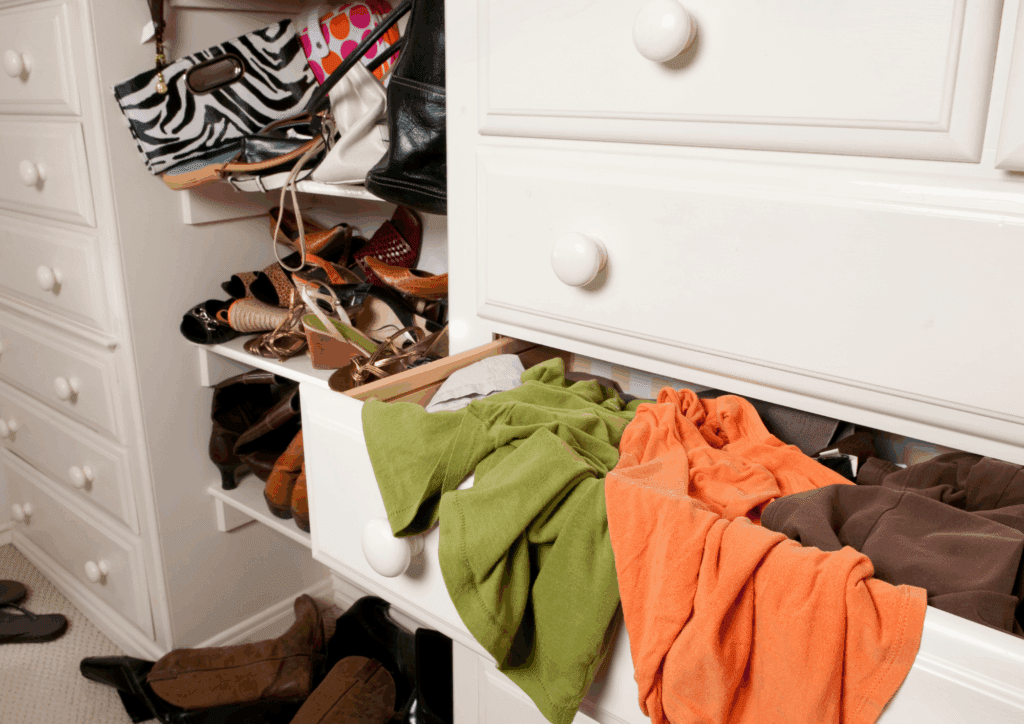
Clutter doesn’t just affect your space — it impacts your mental well-being, which can influence spending habits.
- Stress and overwhelm often trigger impulsive purchases to “feel better.”
- Difficulty finding items leads to repeated trips to the store or unnecessary online orders.
- Disorganisation makes it harder to manage bills, receipts, and important documents, which can result in late fees.
Pro Tip: Maintaining a clean, organised home helps you stay focused, feel calmer, and make more intentional financial decisions.
5. Higher Cleaning and Maintenance Costs
Cluttered spaces are harder to clean, which increases both time and costs:
- Spending more on cleaning services or supplies.
- Greater wear and tear on furniture, flooring, and appliances.
- Accidental damage to items hidden under clutter.
Pro Tip: Keeping surfaces clear and storage organised reduces cleaning time and long-term maintenance costs — effectively cutting down on your clutter cost.
How Decluttering Can Save You Money
Decluttering isn’t only about creating an aesthetically pleasing home — it’s a smart financial strategy that helps reduce waste and improve efficiency.
1. Create Inventory Awareness
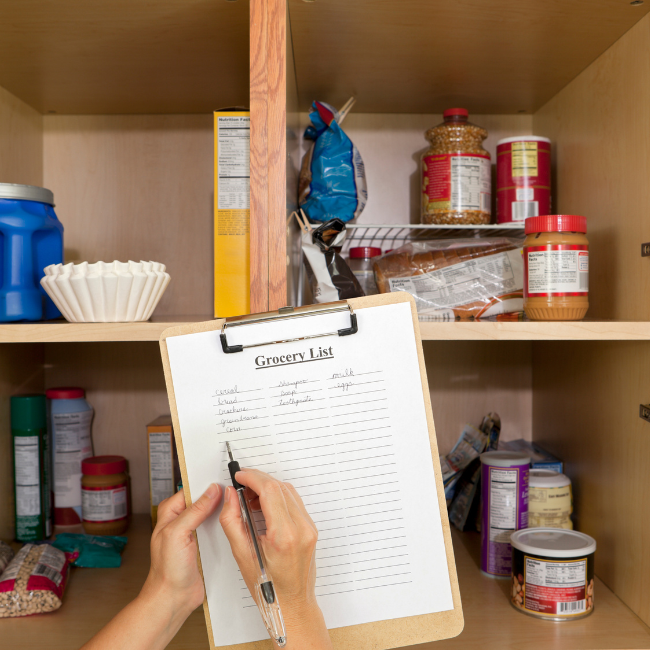
Knowing exactly what you own allows you to:
- Avoid purchasing duplicates.
- Use items efficiently and reduce waste.
- Make intentional, cost-effective shopping decisions.
Pro Tip: Maintain a simple inventory for pantries, closets, and commonly used areas. This prevents overspending and reduces the hidden clutter cost of lost or forgotten items.
2. Sell or Donate Unwanted Items

Items you no longer need can still hold value.
- Sell online to earn extra cash.
- Donate to charity for potential tax deductions.
- Repurpose creatively to save on décor or household expenses.
Pro Tip: Schedule regular decluttering sessions to maximise resale or donation opportunities and turn the clutter cost into savings.
3. Reduce Future Purchases
Decluttering helps you clearly see what’s already available at home, making it easier to avoid unnecessary buying.
- Prevents duplicate purchases.
- Encourages mindful spending.
- Supports intentional shopping habits.
Pro Tip: Try the “one-in, one-out” rule — for every new item brought in, remove an old one. It’s a simple yet powerful method to keep clutter costs under control.
4. Streamline Household Systems
Organised spaces lead to smoother daily routines and financial benefits.
- Easy access to items reduces wasted time and frustration.
- Organised kitchens minimise food waste and unplanned grocery trips.
- Clear paperwork systems prevent late fees and missed payments.
Pro Tip: Group items by zone — keeping related items together makes it easier to stay organised and minimise future clutter costs.
Practical Decluttering Tips for Busy Households
For families or individuals with limited time, decluttering can feel daunting. However, with a few practical strategies, it becomes manageable and rewarding.
- Start small: Focus on one room, shelf, or category at a time.
- Set a timer: Work in 15–30 minute increments to avoid burnout.
- Sort with purpose: Use the “Keep, Donate, Toss” method for faster decisions.
- Invest in smart storage: Clear bins, labels, and baskets keep items visible and easy to maintain.
- Schedule regular check-ins: Monthly mini-declutter sessions prevent clutter from piling up.
Pro Tip: If the task feels too big, consider professional help for faster results and systems tailored to your lifestyle — the investment can reduce future clutter costs dramatically.
The Financial Benefits of Professional Organising
Hiring a professional organiser is more than a convenience — it’s an investment that pays for itself in both time and money.
- Time-saving: Experts can quickly assess, declutter, and organise your home efficiently.
- Cost-saving: Avoid unnecessary purchases, duplicate storage solutions, and external storage fees.
- Long-term results: Professionals create sustainable systems that maintain order and reduce stress.
Even a short consultation can offer actionable advice to help you save money, lower your clutter cost, and keep your home functioning smoothly.
Final Thoughts
Clutter costs more than just physical space — it affects your finances, time, and peace of mind. By decluttering and creating functional systems, you can save money, reduce stress, and enjoy a calm, organised home.
For anyone seeking expert guidance, book your free consultation with Ducks in a Row Home Organisation to discover personalised decluttering strategies, smart storage solutions, and sustainable systems that save both money and stress.