

Bathroom cabinet organisation looks simple on Pinterest. Then it falls apart within a fortnight in a real family bathroom. Half-used bottles multiply on their own. Someone’s toothbrush ends up wedged behind the spare toilet paper. The shelf you tidied on Sunday looks the same by Wednesday.
You’ve probably already tried a basket system. Maybe a Pinterest-inspired shelf edit, or a weekend blitz that lasted about as long as the school holidays. That’s not a sign you’re bad at this. It’s a sign the system was never built for your family’s actual morning rush.
Quick Takeaways
- A working bathroom cabinet needs zones, not just tidy shelves — one for each person’s daily items and one for shared supplies.
- Doubles and half-used products are the biggest space thief in most bathroom cabinets.
- The system only holds if everyone in the house can put things back without thinking about it.
Zone the Cabinet So Everyone Finds What They Need
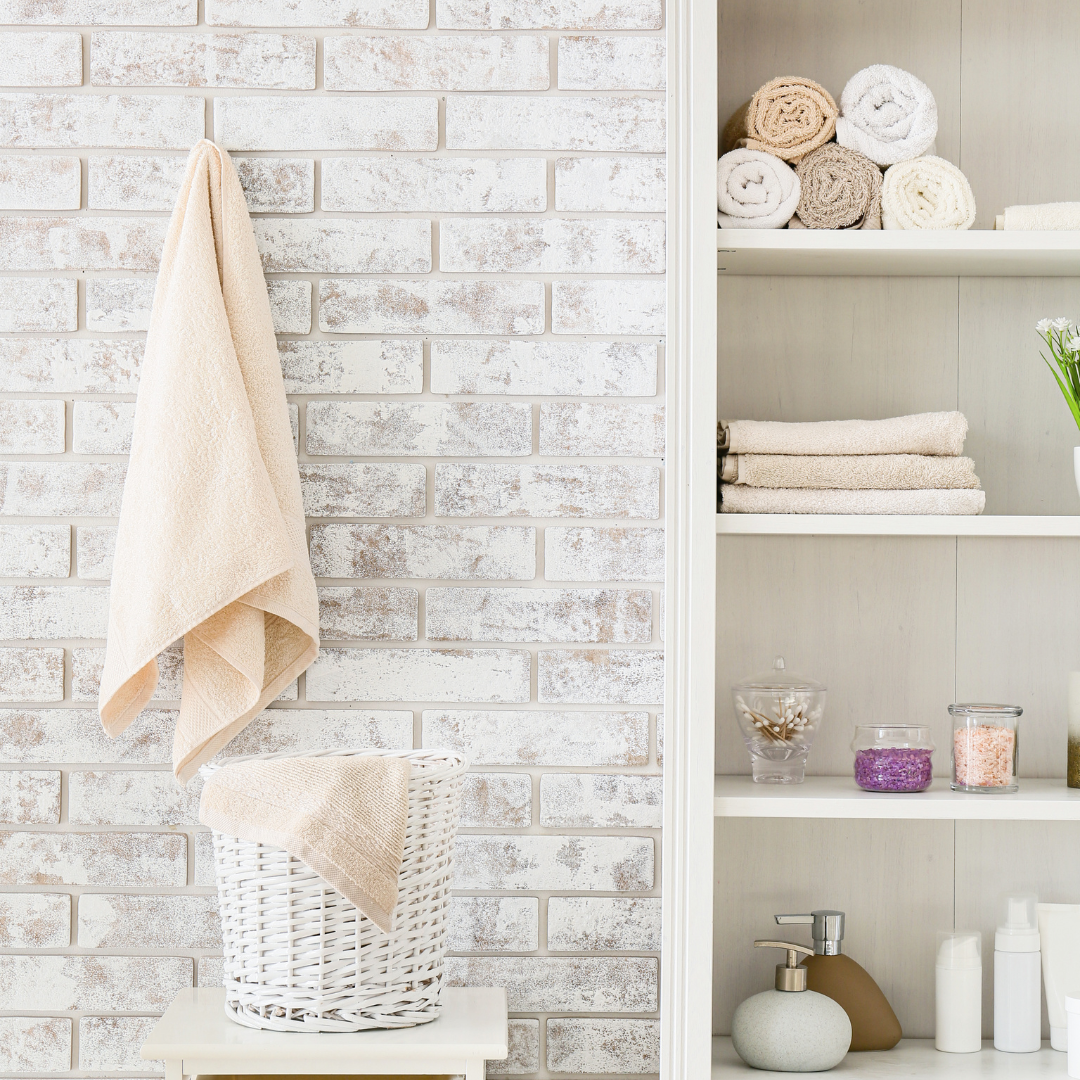
A cabinet with tidy shelves but no zones drifts back into chaos within a week. Nobody in the house knows where anything is meant to go. Give each family member a shelf or section for their own items. Keep one zone purely for shared supplies, like spare soap and dental floss.
Put medication and anything you don’t want small hands reaching for on the highest shelf. Keep it out of sight and out of reach. Keep the items your kids use daily, like their toothbrush cup or hairbrush, at a height they can reach without climbing the vanity. This single change removes more daily friction than almost anything else you’ll do in this room.
Shared, low-use items such as first aid supplies can sit in a labelled bin at the back. Labelling isn’t about looking pretty for a photo. It’s about your twelve-year-old finding what he needs before school, without calling out for help or pulling three other things onto the floor.
How Do You Start Bathroom Cabinet Organisation From Scratch?
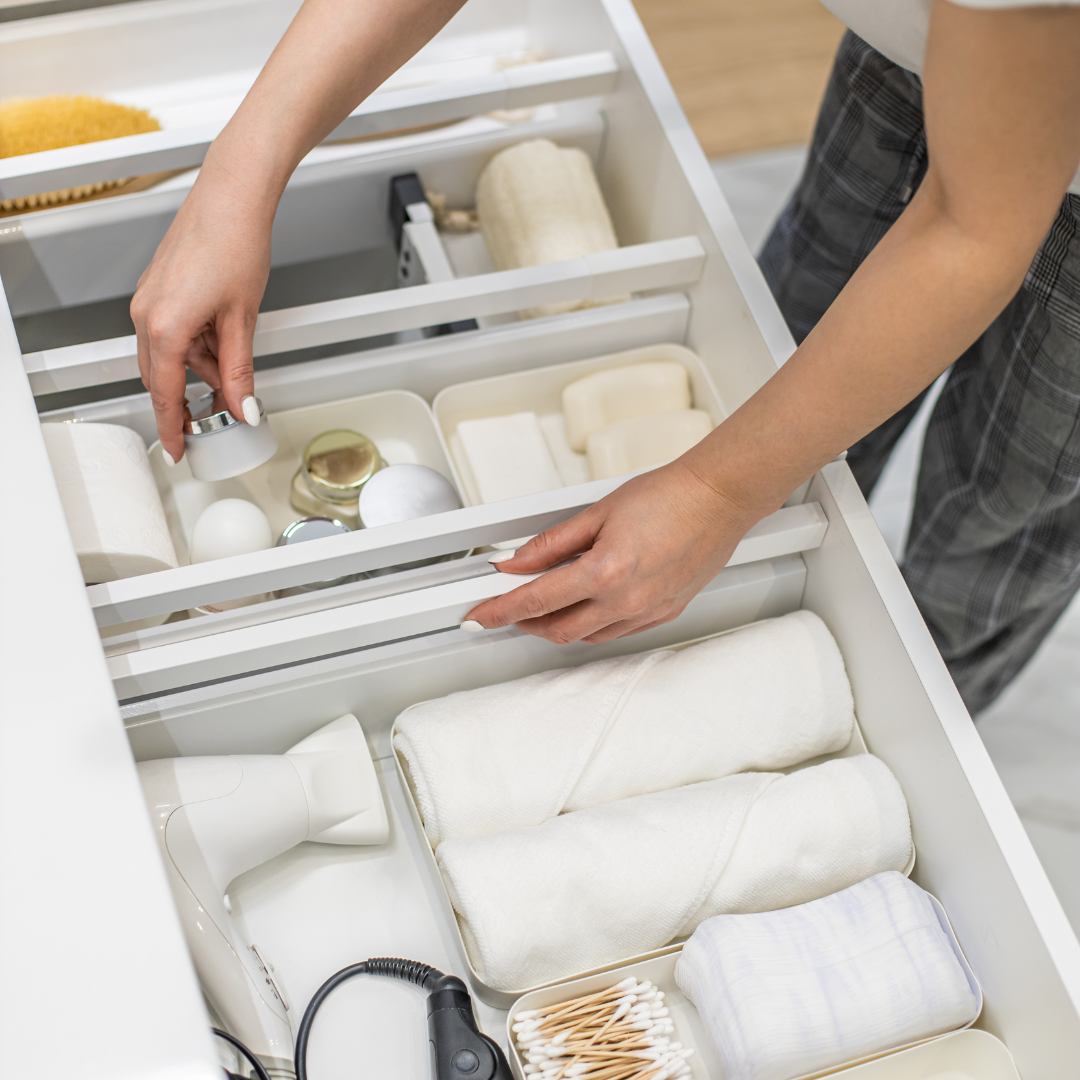
Start by pulling everything out of the cabinet onto a towel. You’ll likely find three sunscreens and two half-empty bottles of the same shampoo. You might also find a first aid item that expired before your youngest started school. Check every date you can find. Bathroom products expire faster than most people expect, and an expired product taking up shelf space is clutter with no upside at all.
Once the cabinet is empty, sort what’s left into three piles: keep, toss, and “this lives somewhere else.” Spare toothbrushes might belong in a linen cupboard. Cleaning sprays probably belong under the sink, not beside the toothpaste. A bathroom cabinet should hold daily-use items only. Everything else is just borrowing space it hasn’t earned.
If your cabinet has never had a real system, resist buying anything before you sort what you own. Bathroom cabinet organisation only works long-term when your containers match what’s actually left after the declutter. Buy after you sort, not before.
What Products Actually Belong in Bathroom Cabinet Organisation?
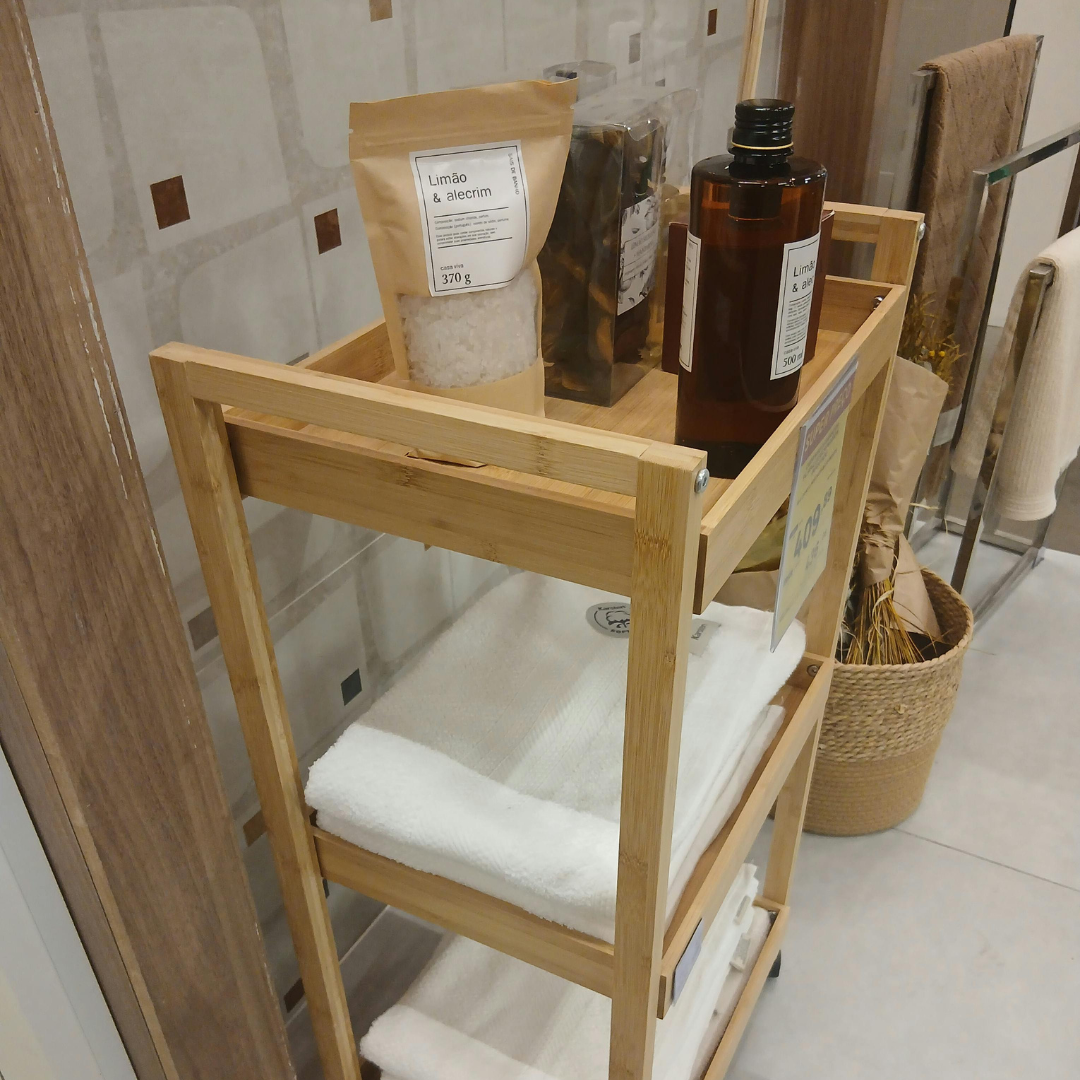
Clear stackable bins let you see what’s inside without opening every container. This matters when you’re trying to get out the door on time. A turntable works well for bottles and tubes that hide behind each other at the back of a shelf. Choose containers that are easy to lift out and wipe down. Bathroom cabinets get grimy fast, and a system that’s hard to clean stops getting cleaned.
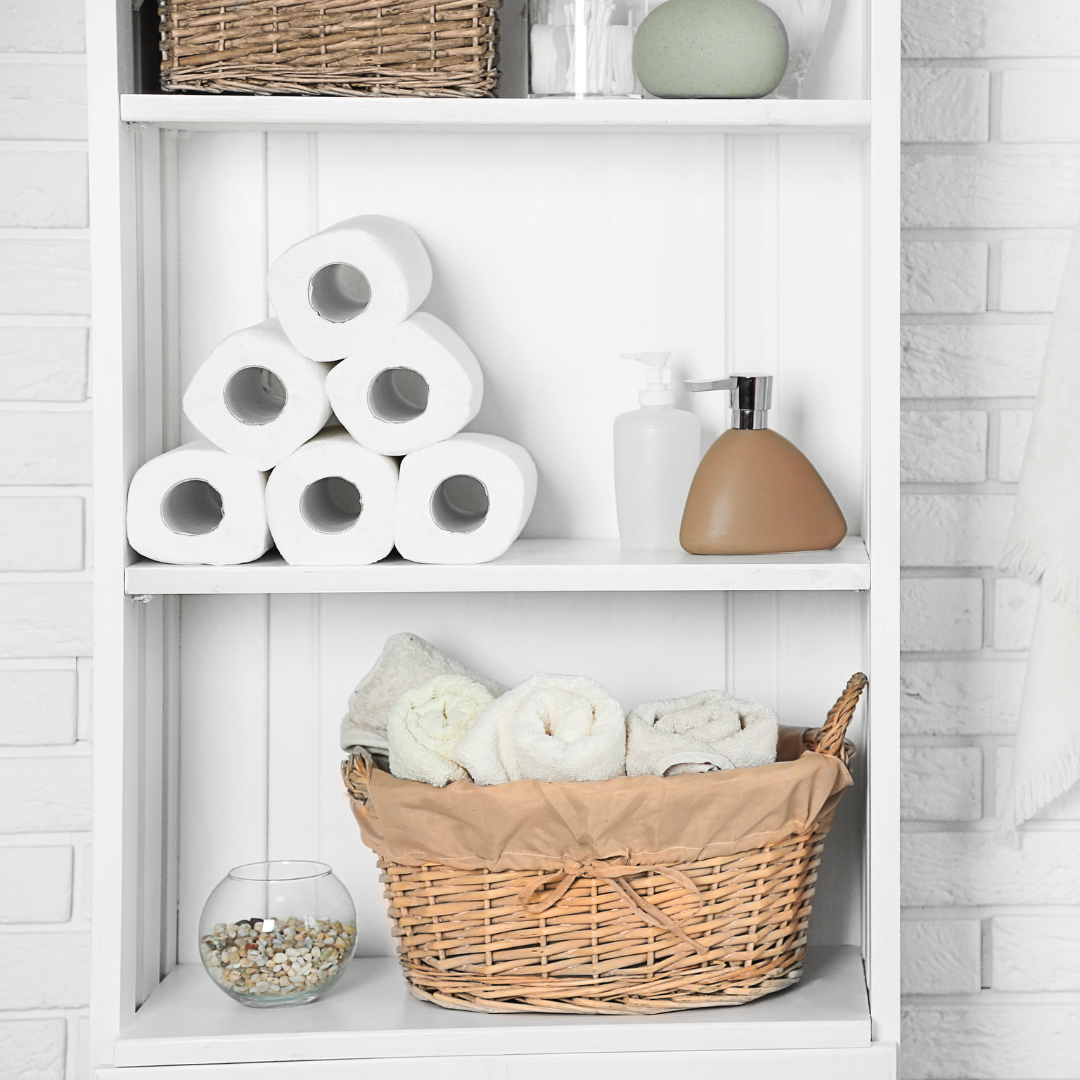
Not every bottle in your house needs to live in the bathroom. Beach towels, spare linen, and bulk toiletry stock belong in a linen cupboard or hallway storage. This frees up the bathroom cabinet for things you reach for daily. Bathroom cabinet organisation works best when this space holds only what gets used at least once a week.
Keep a small “overflow” container elsewhere in the house for backup stock. The cabinet itself should never become a mini warehouse. When a bottle runs out, move the spare in and add the empty one to next week’s shopping list. This one habit does more to keep the space calm than any bin or basket ever will.
How Do You Keep It From Sliding Back Into Chaos?
Build a thirty-second reset into the evening routine. Whoever showers last returns anything out of place to its zone. This works far better than a monthly deep clean, because clutter never gets the chance to build up in the first place.
Once a season, pull everything out again. Check for expired sunscreen, dried-out nail polish, and products nobody actually uses. This keeps the system honest and stops old products from quietly refilling the space you worked to clear.
Ask your kids which zone is theirs. Let them help decide where their own items live. A system the whole family helped build is a system the whole family is far more likely to follow, long after the initial tidy-up is forgotten.
And if the whole room needs the same treatment, our guide to bathroom organisation systems for busy families zooms out from the cabinet to the full space.
Ready to Get Your Home Organised?
If you’d love a professional set of hands to help you declutter and organise your home, Eve and the Ducks in a Row team are here to help. We work with busy Melbourne families to create calm, functional spaces with simple systems that actually stick.