

A paperwork organisation system is the piece most family homes are missing, because paper arrives every single day and rarely leaves. School notices, bills, receipts, appointment cards and permission slips all land on the bench, and then they sit there. You have tried tidying the pile, yet within a week it grows back. So it starts to feel like the problem is you. The problem was never your effort, though. It was the absence of a repeatable flow that catches paper the moment it walks through the door.
Here is what actually works. Instead of one giant sort every few months, you build a simple flow that handles each piece as it arrives. So the pile stops forming, and your bench finally stays clear. Below, we walk through the whole approach step by step, so anyone in the family can follow it too.
Quick Takeaways
- Give every piece of paper one of four homes: Action, File, Read or Recycle.
- Sort the mail the instant it arrives, so no pile ever forms on the bench.
- Share the flow with the whole family, then reset it lightly each season.
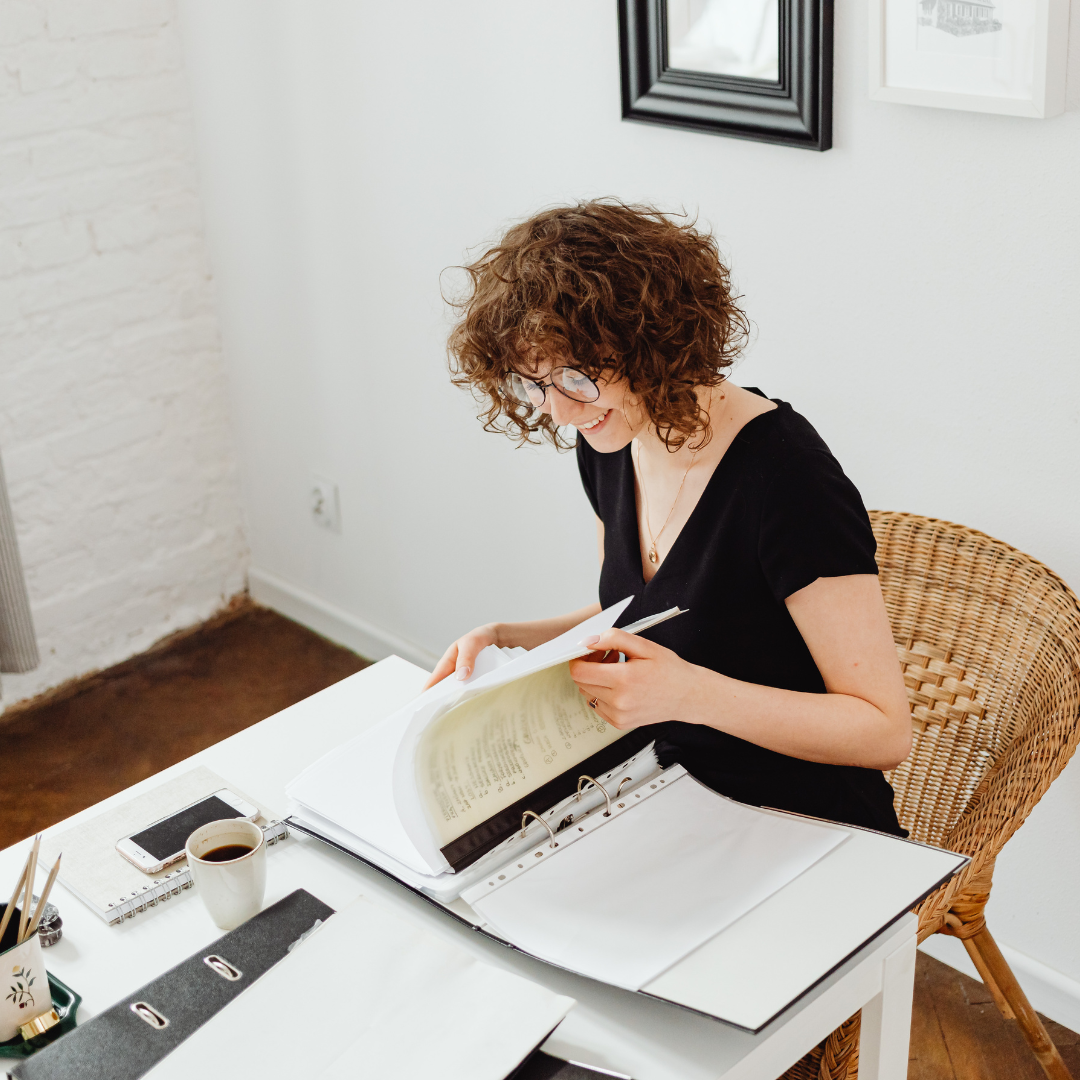
Why does paper clutter keep coming back?
Paper clutter returns because most of us sort it once and then stop. We clear the bench on a Sunday, and by Wednesday a fresh stack has grown in its place. Meanwhile, new paper keeps flowing in faster than the occasional tidy can handle. Therefore a one-off clean never holds, no matter how thorough it was.
The real issue is a missing decision point. When paper has nowhere obvious to go, it simply waits on the nearest flat surface. First it is one letter, then it is a small heap, and eventually it is a bench you avoid looking at. Because each piece stalls at the “I’ll deal with it later” stage, later never quite arrives.
Building your paperwork organisation system
A good paperwork organisation system rests on four simple homes for paper: Action, File, Read and Recycle. Action holds anything with a deadline, such as a bill or a slip to sign. File holds documents you must keep, like medical records or warranties. Read holds newsletters and catalogues, while Recycle takes everything else straight away.
Set up four labelled folders or trays, and keep them where the mail lands. However, do not over-engineer this part. Two folders and a recycling bin will still beat a bench-top pile, so start small and add structure only once the basics feel natural. Then each piece of paper gets a home the instant it arrives, instead of drifting onto the counter.
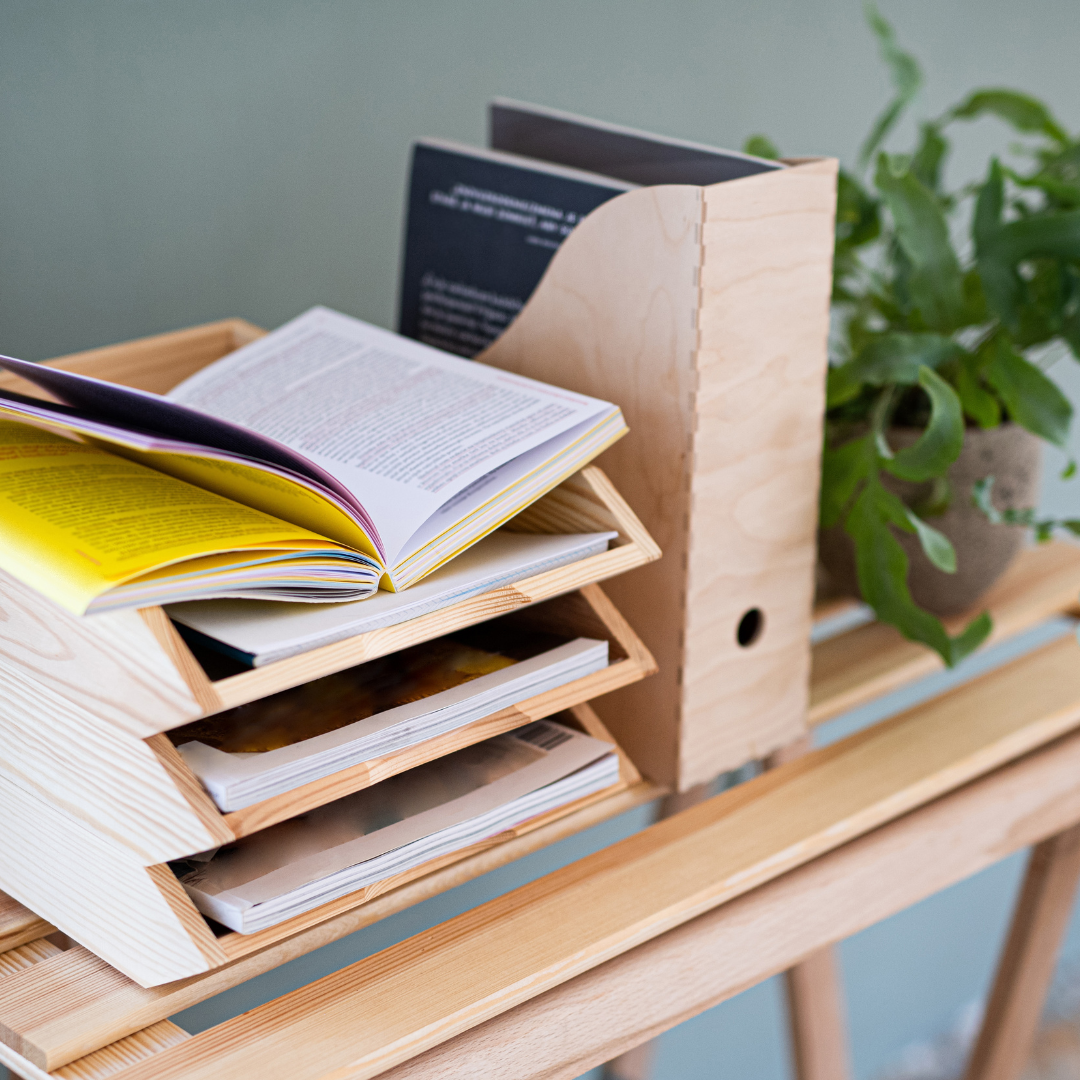
What should you do with paper the moment it arrives?
Handle each piece once, and decide on the spot. As you walk in with the mail, sort it directly into your four homes before you put your bags down. Junk goes to Recycle immediately, bills go to Action, and keepers go to File. This takes about ninety seconds, yet it saves the Sunday sort entirely.
Next, protect the Action folder with a weekly check. Choose one quiet moment, perhaps Sunday evening, and clear whatever has gathered there. Because the folder only holds live tasks, the review stays short and genuinely manageable. Consequently, nothing important slips through, and no letter hides at the bottom of a forgotten heap.
Keeping your paperwork organisation system running
A paperwork organisation system only sticks when the whole family knows where paper goes. So show the kids the four homes, and let them file their own school notices. Once everyone understands the flow, the mental load stops resting on one person alone.
Finally, give the system a quick reset each season. Move filed documents you no longer need into Recycle, and check that your labels still make sense. Although this takes barely ten minutes, it keeps the whole flow light and honest. In short, small and steady maintenance protects the calm you worked to create.
Ready to Get Your Home Organised?
If you’d love a professional set of hands to help you declutter and organise your home, Eve and the Ducks in a Row team are here to help. We work with busy Melbourne families to create calm, functional spaces with simple systems that actually stick.