

The one in one out rule is one of the simplest systems we teach clients. It’s also one of the hardest to actually stick to. It sounds straightforward: something new comes in, something old goes out. But in a home with two adults, a couple of pre-teens, and a steady stream of school notices and sports gear, that one habit quietly falls apart within a fortnight.
This isn’t about willpower. Families who’ve already tried the big Saturday declutter know the drill. For a week or two, everything looks calmer. Then the pile creeps back to exactly where it started. The missing piece was never their effort. It was a rule simple enough for a nine-year-old to follow, and specific enough that “one in, one out” actually means something in your house.
Quick Takeaways
- The one in one out rule works at the moment something new arrives, not months later during a big clearout.
- Start with one category, such as shoes or toys, rather than trying to apply it to the whole house at once.
- A basket or shelf near the wardrobe makes the “out” half of the rule visible, not just a good intention.
What Is the One In One Out Rule, Really?
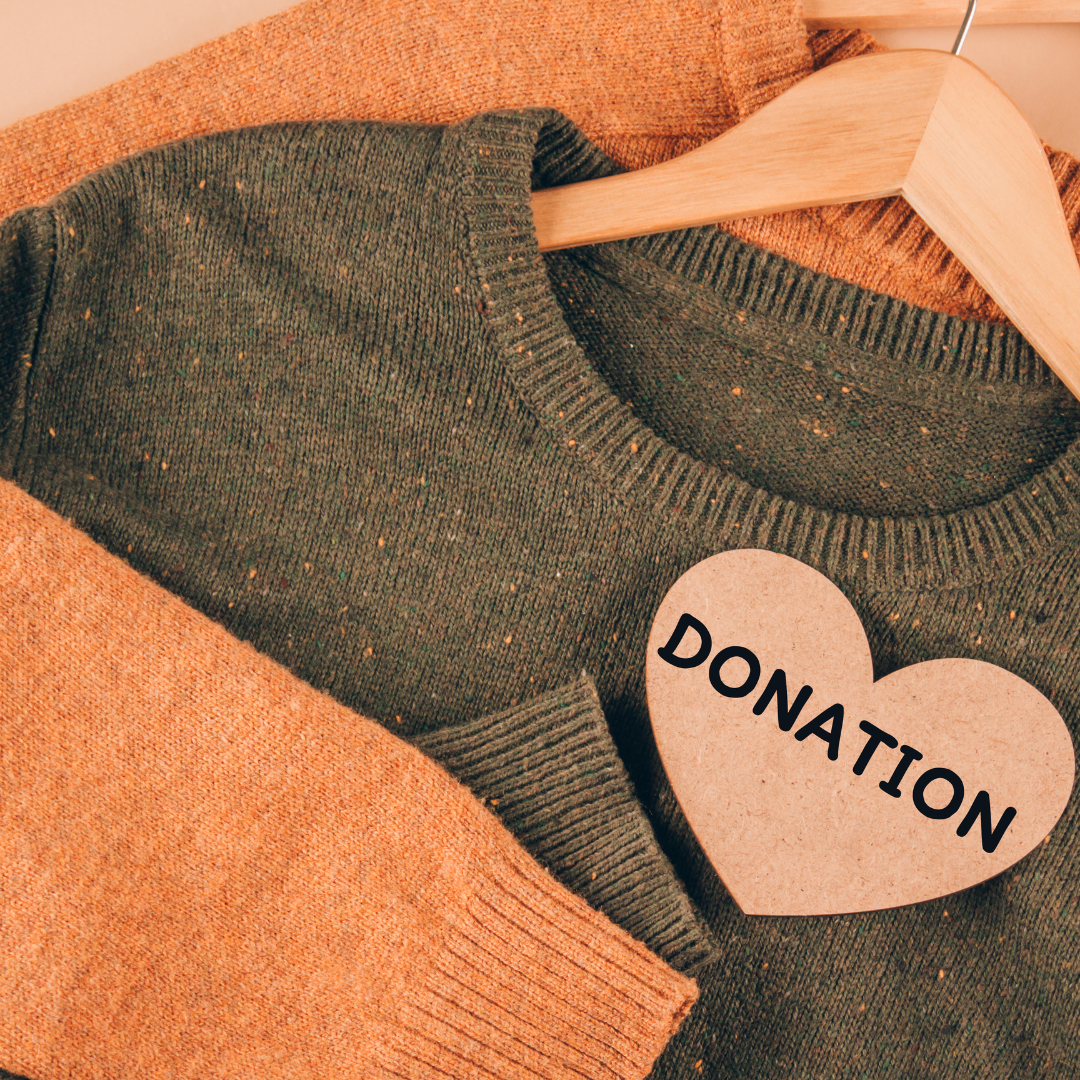
At its core, the one in one out rule means that for every new item that enters your home, one similar item leaves. A new pair of school shoes means the old pair gets donated that same day, not “sometime this month.” A new toy at a birthday party means one toy from the shelf goes into the donate box. That swap happens before the wrapping paper even hits the recycling.
The rule works because it removes the decision from a future version of you. That future you is busy, tired, and unlikely to circle back. Instead, the swap happens while the new item is still in your hands, at the exact moment motivation is highest.
Why Does the One In One Out Rule Work So Well for Families?
Most decluttering advice asks a family to tackle years of accumulated stuff in a single weekend. That’s exhausting, and it rarely holds. The systems that caused the clutter in the first place haven’t changed. The one in one out rule flips the timeline instead. Rather than fixing the backlog, it stops new backlog from forming in the first place.
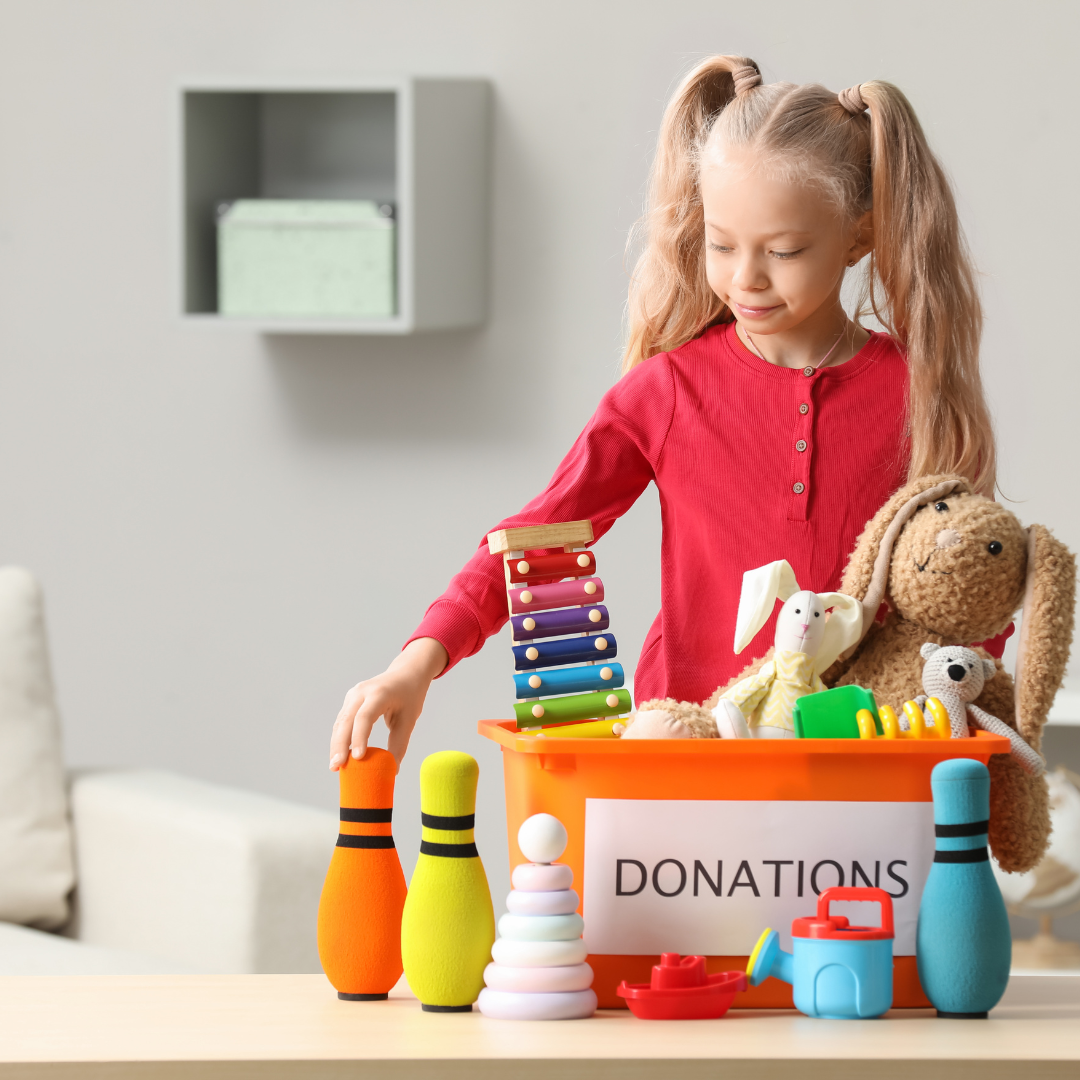
Because the rule applies at the point of purchase or gift, kids learn it quickly too. A ten-year-old who helps choose which two toys to donate understands the trade-off. That lesson lands far better than a sudden, unexplained clean-out ever could. Over a few months, the rule does more to keep a home calm than any single big declutter.
How to Build This Into Your Family’s Daily Habits
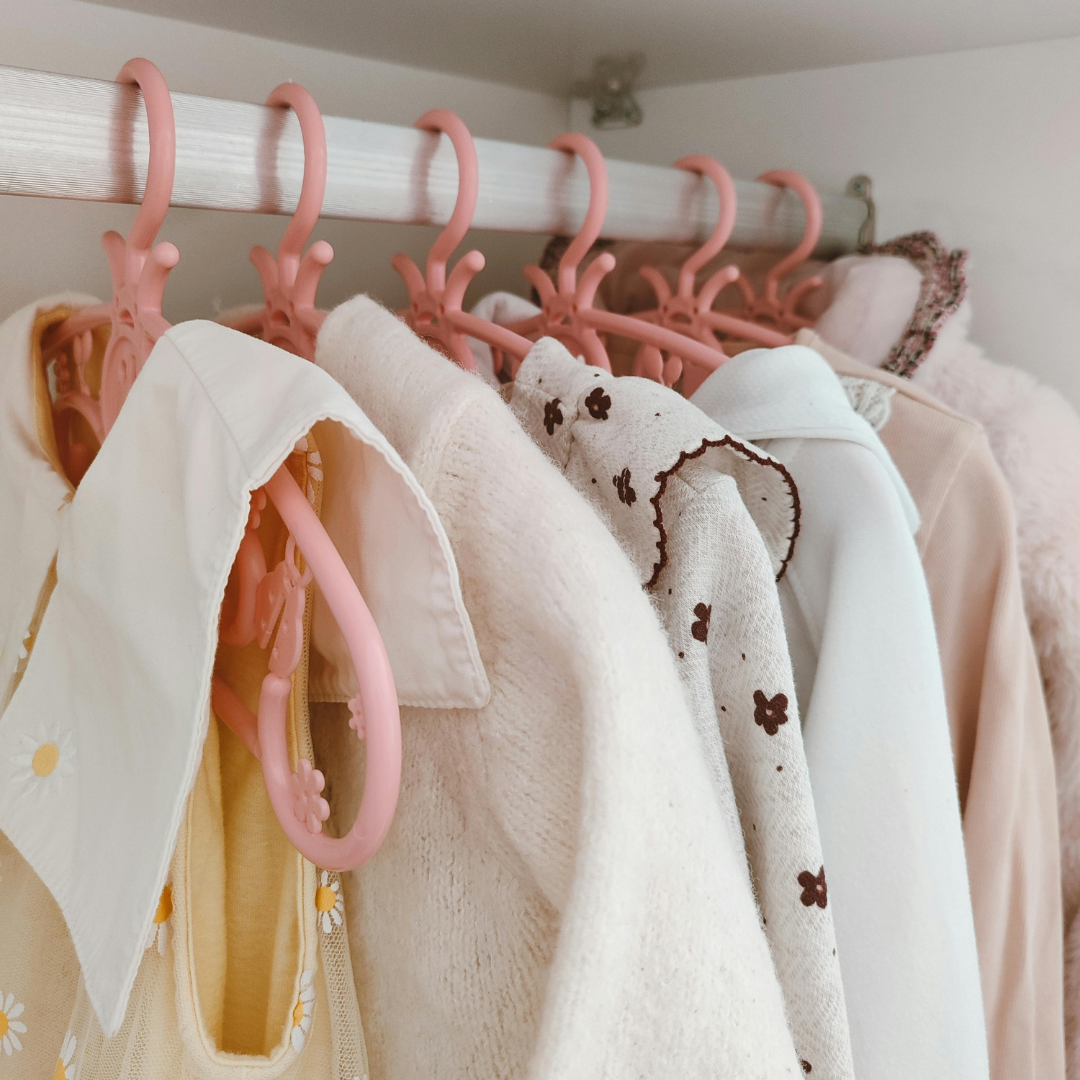
Start with one category rather than the whole house. Clothes and shoes are an easy entry point. New sizes arrive constantly, and old ones are simple to identify. Once that habit sticks, expand to toys, books, or craft supplies.
Give the “out” half of the rule a physical home. A labelled basket near the wardrobe, or a shelf by the laundry, gives everyone somewhere to place the outgoing item straight away. Otherwise it gets left “for later” and merges back into the pile. Set a regular day, such as bin night or the school run, to empty that basket. This keeps it from overflowing and becoming clutter itself.
Talk your kids through the trade-off out loud the first few times. Say something like: this new jumper means one old one goes in the basket, so which one has had its turn? Within a month or two, most pre-teens will start doing this step without being asked.
What Gets in the Way of the One In One Out Rule
The rule breaks down fastest around gifts. Nobody wants to be the parent removing a present the same week a grandparent gave it. A simple workaround is a short buffer. Gifted items get thirty days before the swap applies. This respects the giver while still protecting the space.
Bulk buying is another common trap. A multipack of six new t-shirts doesn’t mean six items leave straight away. It means the six oldest, most worn t-shirts go, spread across the following week if needed. The goal isn’t rigid maths. It’s making sure the total volume in the house stays roughly flat, so the space you’ve already organised stays that way.
Ready to Get Your Home Organised?
If you’d love a professional set of hands to help you declutter and organise your home, Eve and the Ducks in a Row team are here to help. We work with busy Melbourne families to create calm, functional spaces with simple systems that actually stick.