

A linen cupboard system is the difference between fresh towels in seconds and a Saturday spent digging through mismatched sheets. Most homes don’t have a storage problem here. They have a system problem. The shelves get reset once, hold for a fortnight, then slide back into chaos. Nobody labelled where anything actually lives. Sound familiar? You’ve probably already tried the big Saturday sort, and it probably didn’t last either.
This guide walks through a linen cupboard system built for real family life, not a styled shelf that only survives the photo. You’ll get a clear process for sorting, zoning, and folding. Plus tips for keeping the whole household on board. Because the best system is the one everyone can actually follow, not just the one that looks good on day one.
Quick Takeaways
- A linen cupboard system needs zones, not just shelves.
- Keep, donate, and toss decisions get easier once every item has a size and a purpose.
- Small daily resets keep the system from sliding back into chaos.
How Do You Build a Linen Cupboard System That Sticks?
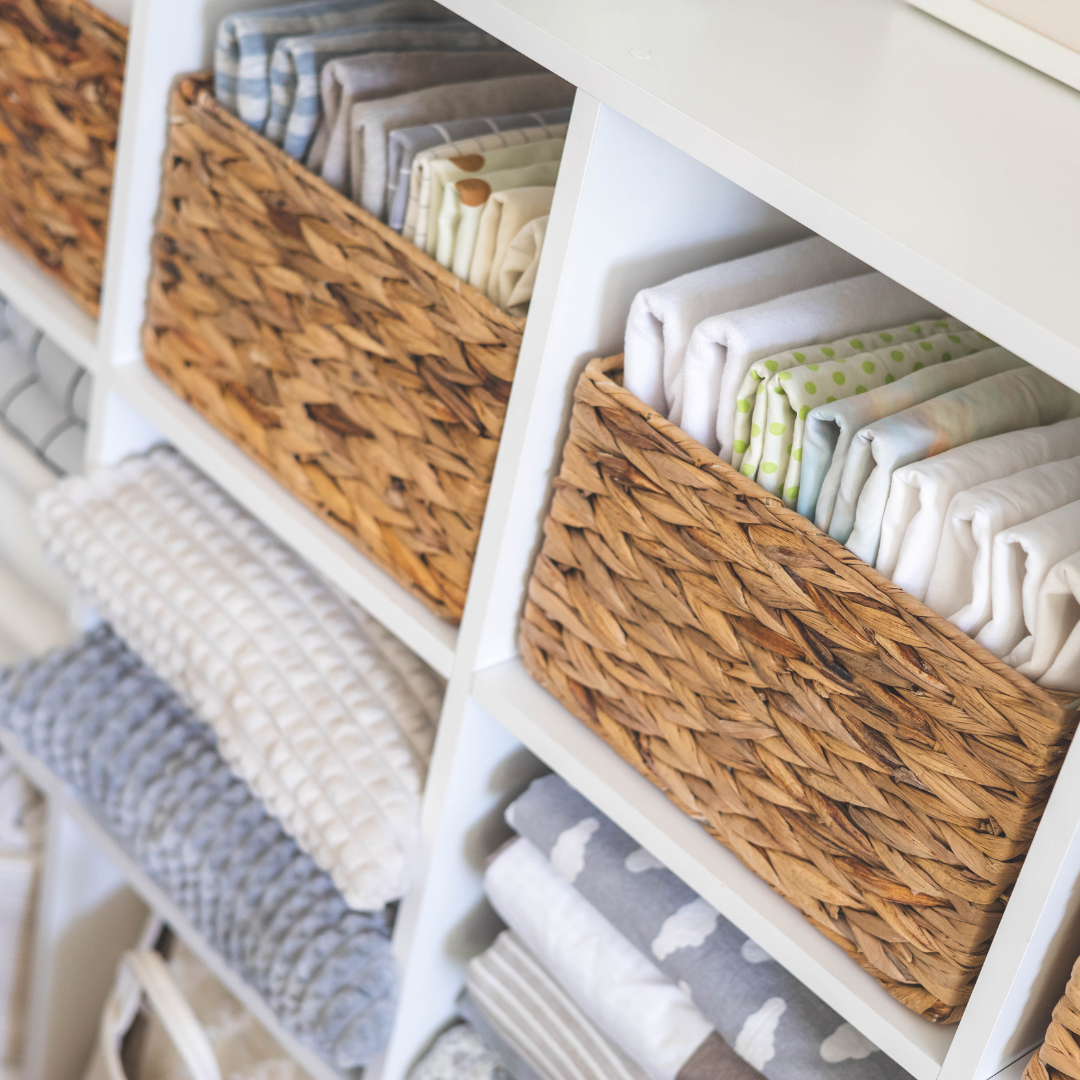
Start by pulling everything out onto the bed or the floor. Every sheet set, towel, and spare blanket needs to be in front of you first. This step feels slower than it is. But seeing the full pile stops you from buying more storage than you need. Once everything is out, sort by category first, then by size. That single change is often what makes a linen cupboard system finally hold. You can see exactly how much space each category needs before anything goes back.

What to Keep, Donate, and Toss First
Mismatched fitted sheets and towels are usually the easiest place to start. If you can’t remember which bed a sheet belongs to, it’s not earning its shelf space. Donate anything still in good condition. Toss what’s frayed, stained, or simply never gets used. Threadbare towels still have a job, though — cut them down for rags before they leave the house. This step alone often clears a third of the shelf. That makes every later step faster and far less overwhelming.
Zoning Your Linen Cupboard System by Room
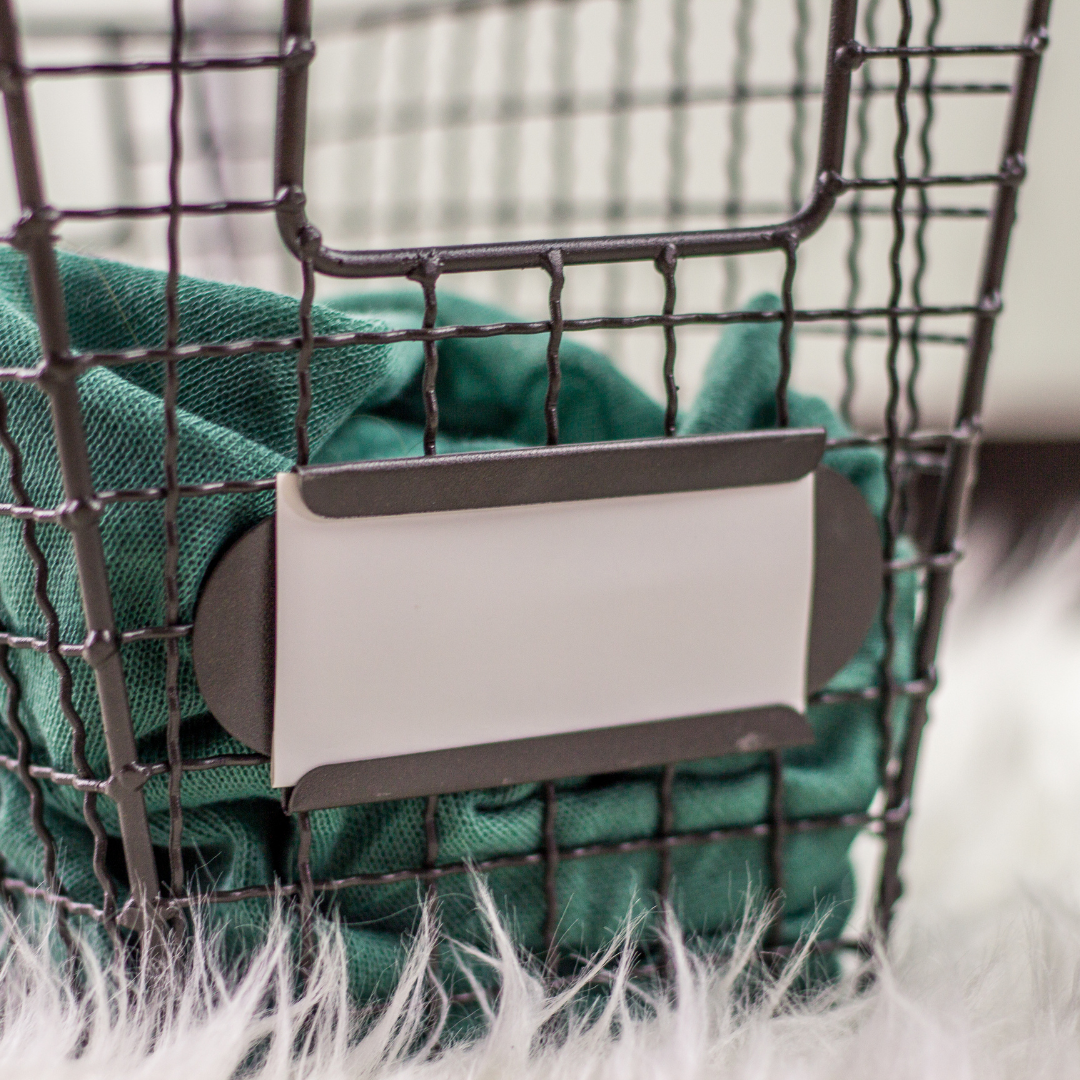
A linen cupboard system works best when it’s zoned by bedroom or bathroom, not by item type. Give each family member’s bedding its own shelf or section. Nobody hunts through someone else’s sheets at 9pm that way. Bath towels, hand towels, and spare doonas each get a defined home too. Labels matter here more than baskets. Even a simple sticker tells kids and partners exactly where things go back. When the zones are obvious, the system runs itself. You stop being the only person in the house who knows where anything lives.
The Folding and Stacking Method That Holds
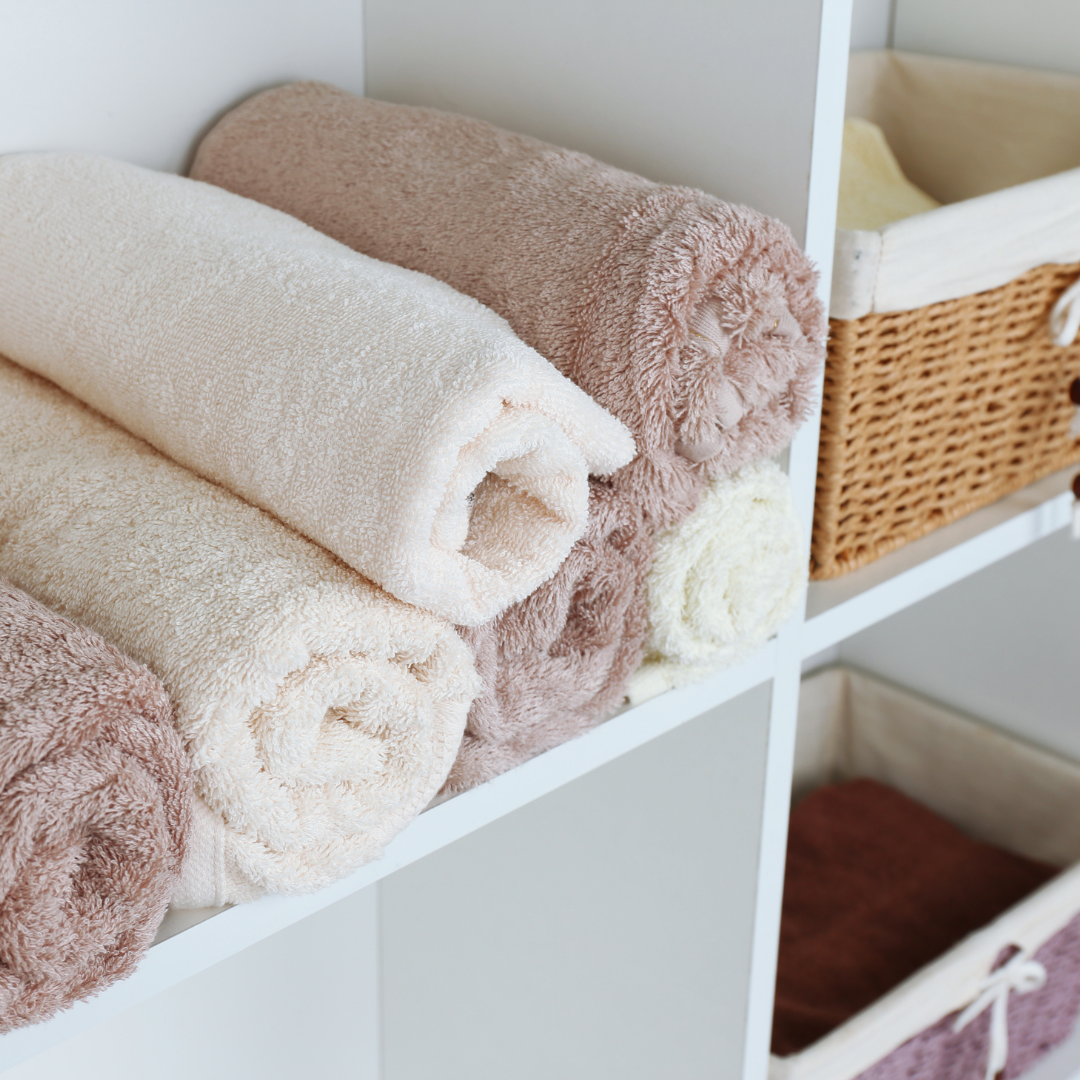
Fold sheet sets together as one unit. Tuck the pillowcases inside the folded flat sheet so nothing goes missing. Stack heavier items like doonas and blankets on lower shelves. Keep everyday towels at eye level where they’re easy to grab. Vertical folding, standing towels on their edge rather than piling them flat, also helps. It makes it much easier to see what you actually have. This method takes an extra minute the first time. It saves far more than that every week after, since nobody unstacks half the shelf to find one towel.
How Often Should You Reset Your Linen Cupboard System?
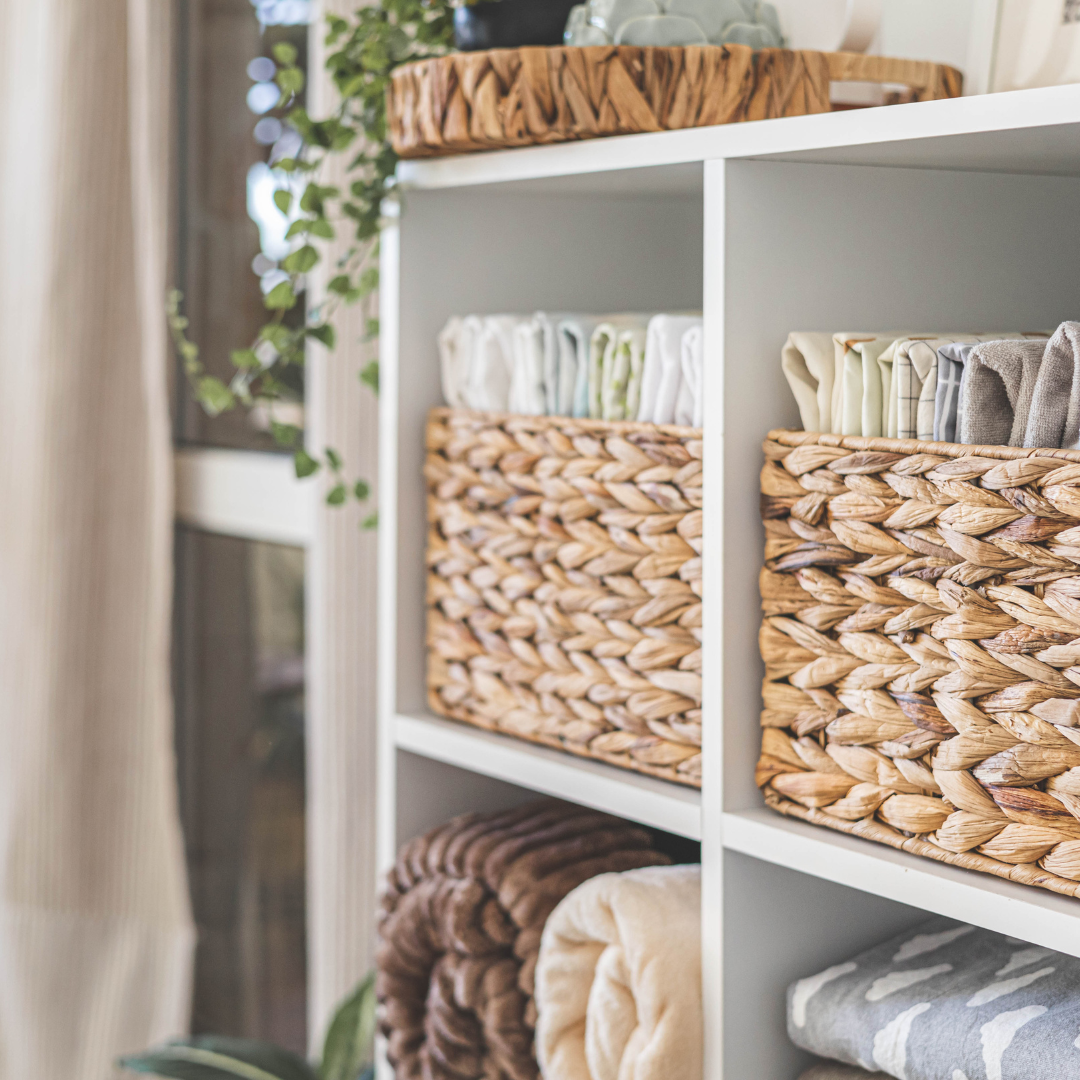
A quick reset once a fortnight is usually enough to keep a linen cupboard system on track. Spend five minutes refolding anything that’s slipped. Check that everything is still in its zone. Seasonal changeovers are a good trigger too. Swap winter doonas for lighter options and store the rest out of daily reach. Small, regular resets are what separate a system that lasts from one that collapses by week three. They also take far less time than the big overhaul you keep putting off.
Ready to Get Your Home Organised?
If you’d love a professional set of hands to help you declutter and organise your home, Eve and the Ducks in a Row team are here to help. We work with busy Melbourne families to create calm, functional spaces with simple systems that actually stick.