

Family organisation roles decide whether a home runs itself or runs on one exhausted person. If you’re the only one who knows where the school hats live, you already know the feeling. You remember which drawer holds the good scissors. You know how the laundry gets from the floor to the machine. That system works, but it runs on a single battery, and the battery is you.
This is more common than you think, and it isn’t a sign you’ve failed at organising your home. Most families never sit down and actually assign who owns what. Tasks default to whoever notices first, and in most households, that’s mum. Shifting family organisation roles isn’t about nagging everyone into helping. It’s about building a system specific enough that each person knows their part.
Quick Takeaways
- Family organisation roles work when tasks are assigned by name, not left to whoever notices first.
- Age-appropriate jobs teach pre-teens real skills and lighten your mental load.
- A short weekly check-in keeps the system from quietly sliding back onto you.
Why Do Family Organisation Roles Always Land on Mum?
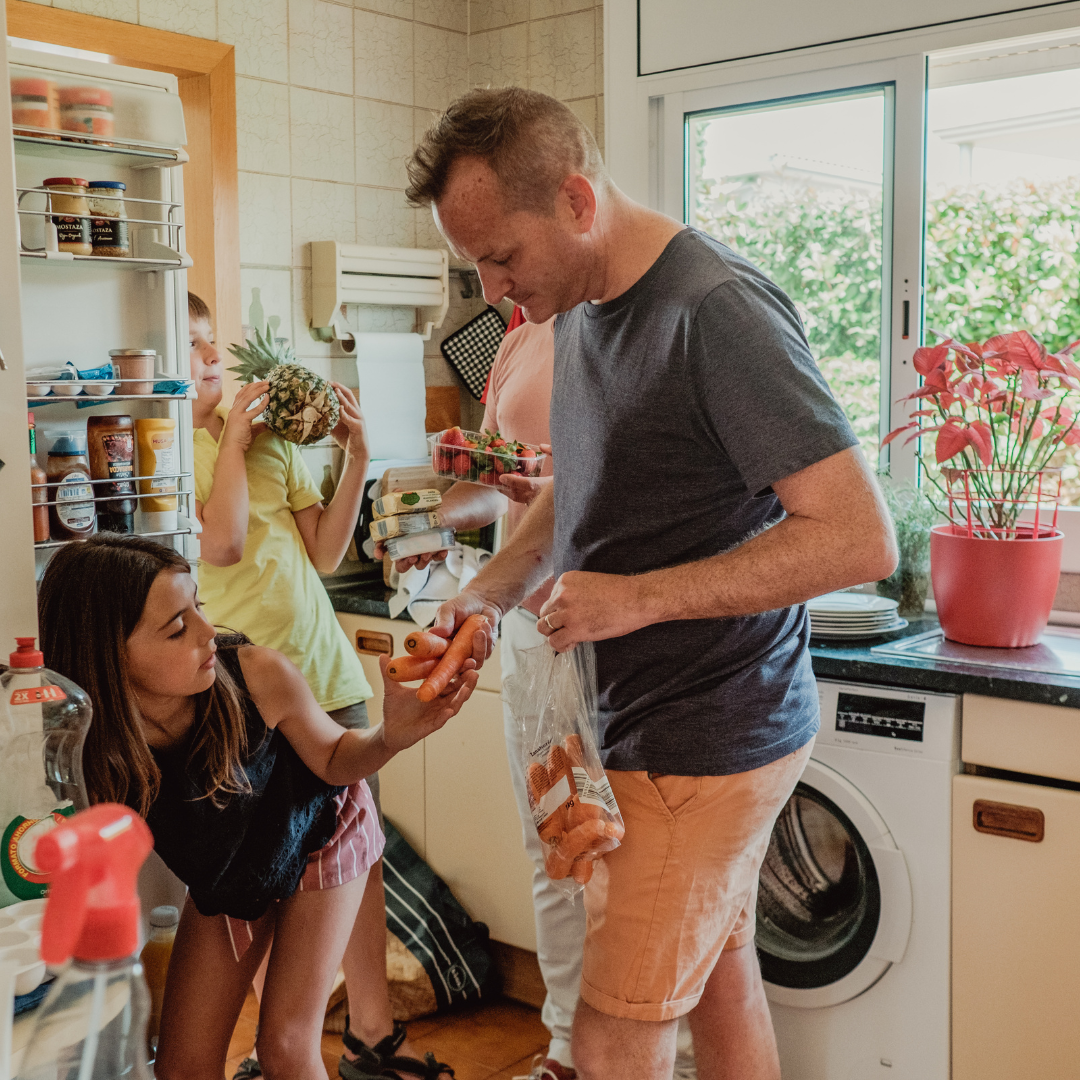
In most homes, organisation runs on invisible labour. You notice the pantry is chaotic before anyone else does, so you fix it. You remember library bags are due back on Friday, so you pack them. Over time, everyone else learns that if they wait long enough, you’ll handle it. This isn’t laziness on their part. It’s a pattern the whole family has picked up, usually without anyone meaning to build it.
The fix starts with naming the work out loud. Write down every task that keeps your home functioning, from meal planning to school forms to bin night. Once the list exists on paper, it stops living only in your head. That’s the first real step toward sharing it.
How to Match Tasks to Age and Ability
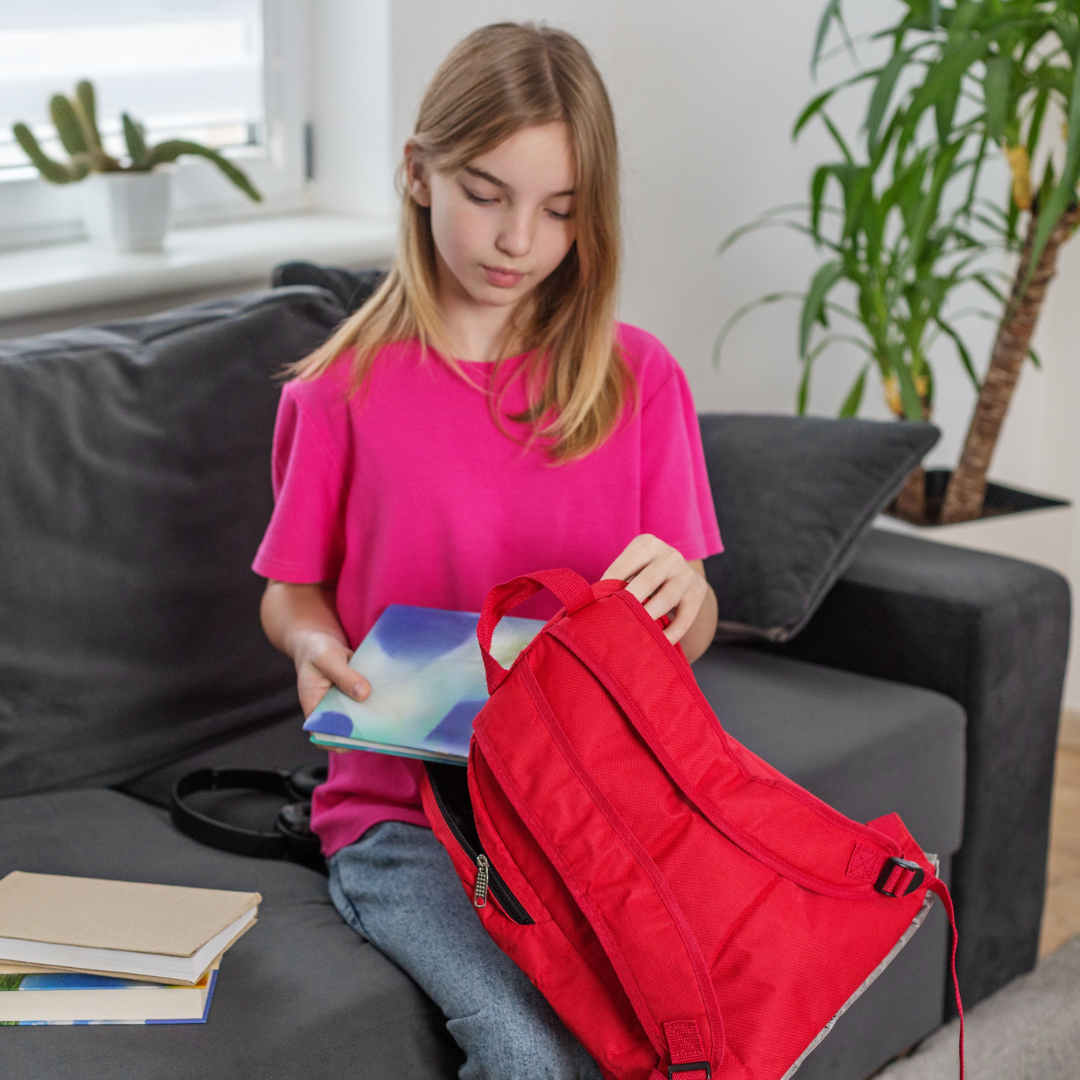
Sort tasks by what’s realistic for each family member once the list exists. Pre-teens can own genuine responsibilities. They can pack their own school bag, feed the pets, or fold their own washing. Give each child two or three fixed jobs rather than a long list nobody remembers.
Keep instructions visual for younger helpers and specific for everyone. Tidy your room is vague and easy to ignore. Toys in the bin, books on the shelf, clothes in the basket gives a clear finish line. The goal is a home organisation system the whole family can actually run, not one only you can operate.
What Do Family Organisation Roles Look Like in a Weekly Check-In?
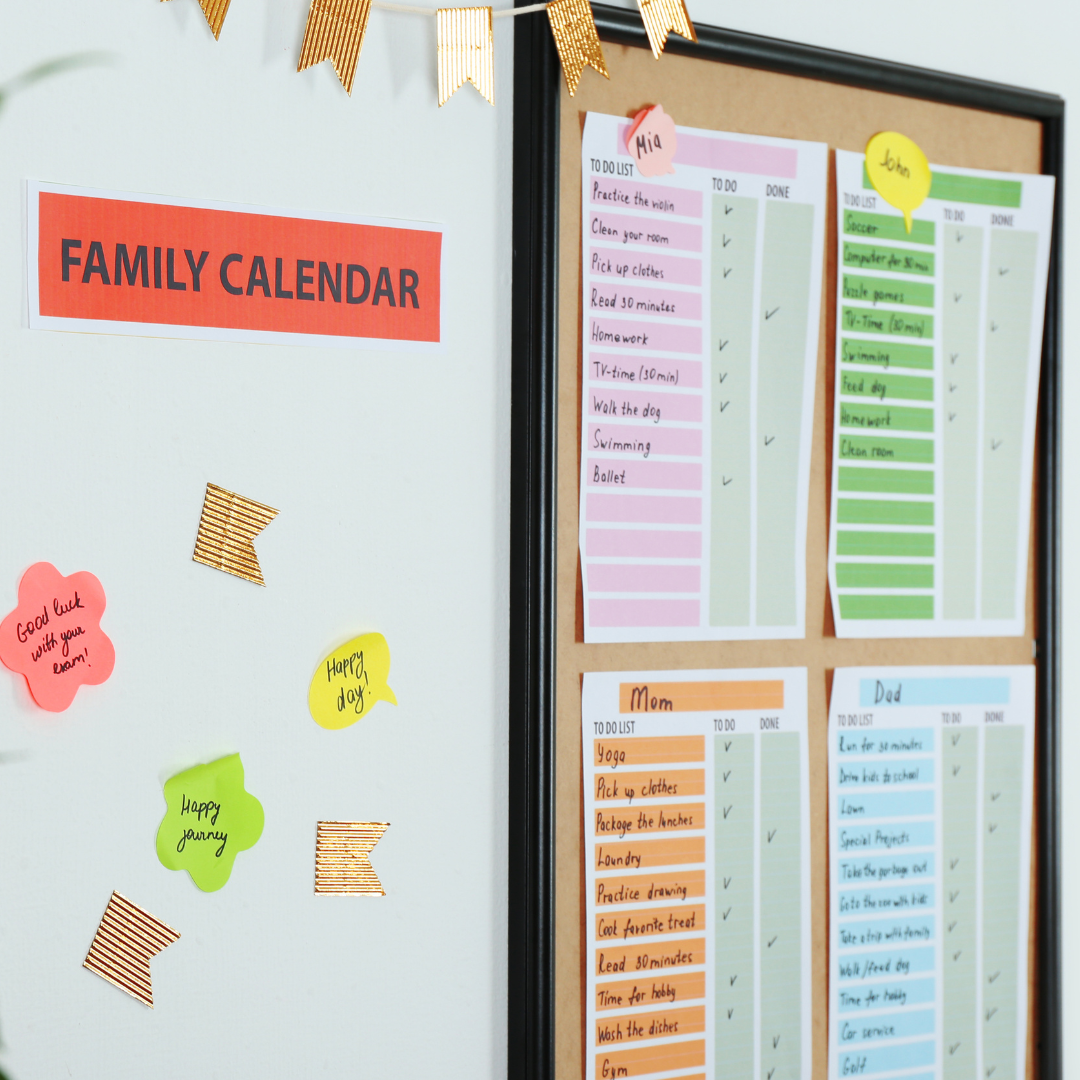
A system only holds if someone checks on it, and that doesn’t need to be a big production. A five-minute Sunday chat can cover the week ahead. Talk through sports, forms, and whose turn it is for bins. This keeps everyone oriented and stops small things sliding through the cracks.
Use this check-in to notice what isn’t working, too. A job that keeps getting missed might be wrong for that person’s age. It might need a visual reminder like a chart near the door instead. Adjust the system rather than assuming the family member is the problem. Family organisation roles should flex as kids grow and school terms bring new demands.
Keeping the System From Sliding Back Onto You
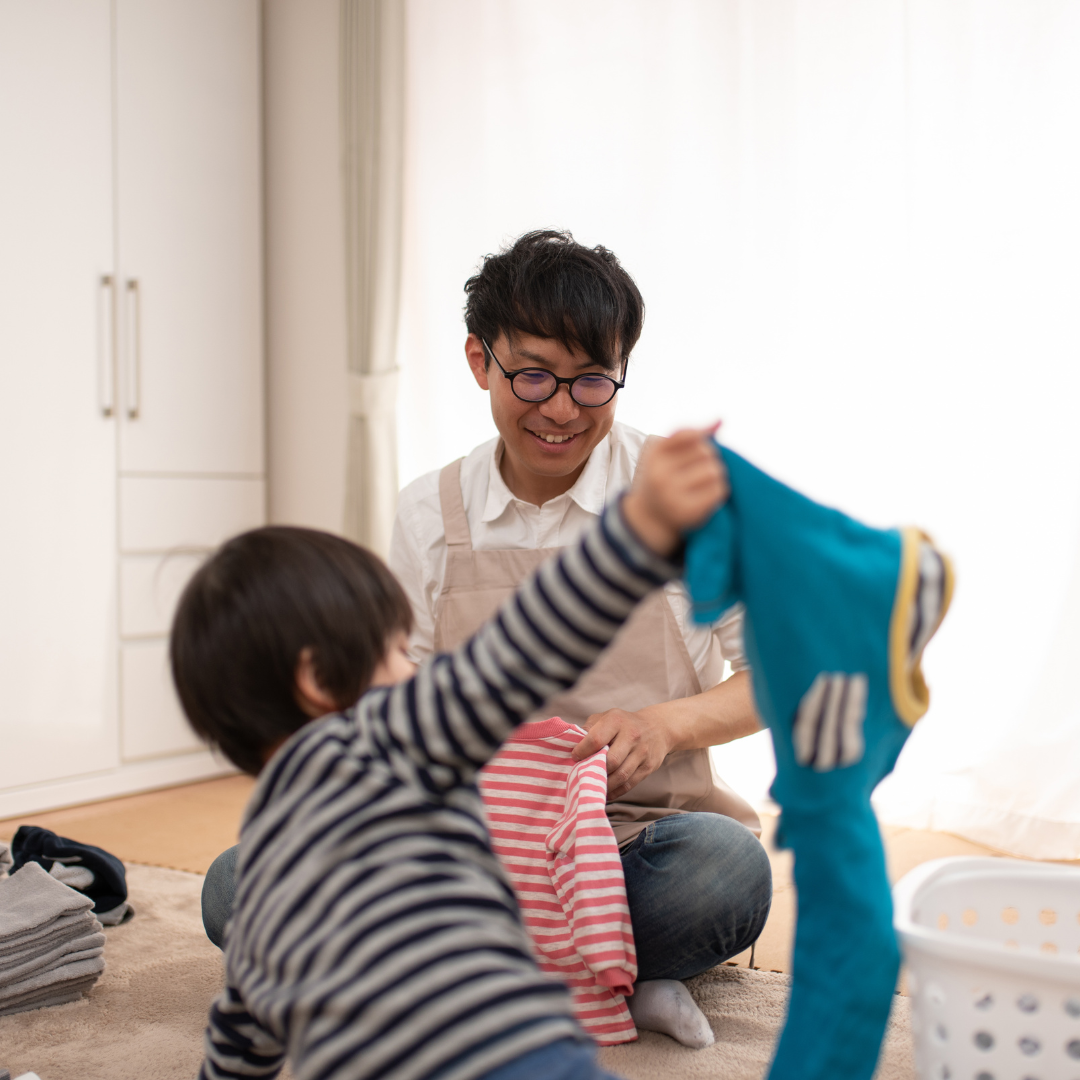
The hardest part isn’t setting roles up. It’s resisting the urge to take over when someone does a job imperfectly. Your partner might pack the dishwasher differently, or your child might fold a towel into a lopsided rectangle. Let it stand anyway. Redoing their work quietly teaches everyone that your standard is the only one that counts, and the task drifts straight back to you.
Praise effort over precision, especially in the first few weeks. A system needs repetition to become habit, and repetition needs everyone to feel capable, not corrected. You’ll notice the mental load lighten once the routine settles, because the tasks are genuinely shared rather than just assigned on paper.
Ready to Get Your Home Organised?
If you’d love a professional set of hands to help you declutter and organise your home, Eve and the Ducks in a Row team are here to help. We work with busy Melbourne families to create calm, functional spaces with simple systems that actually stick.