

If you brace yourself before opening the linen cupboard in case three towels fall out, this is for you. It’s rarely the cupboard itself. It’s sheets that don’t match any bed in the house. It’s towels too thin to use but too good to throw out. And a doona cover you’ve been meaning to deal with for a year. The fix isn’t a better basket. It’s a real plan to declutter your linen cupboard, and a system built to hold once you have.
This is one of the most common cupboards we open in client homes. It’s almost never about how much linen a family owns. It’s about a cupboard with no logic. Sheets in three places. Towels stacked by whoever last did the washing. Nothing telling anyone where anything actually lives. Below is the system we use to fix it, shelf by shelf.
Quick Takeaways
- A linen cupboard with no system collects expired stock, not memories — cull first, organise second.
- Zone shelves by bed or person, not by item type, so anyone in the family can put things back correctly.
- A regular reset tied to an existing habit, not a once-a-year project, is what makes the system last.
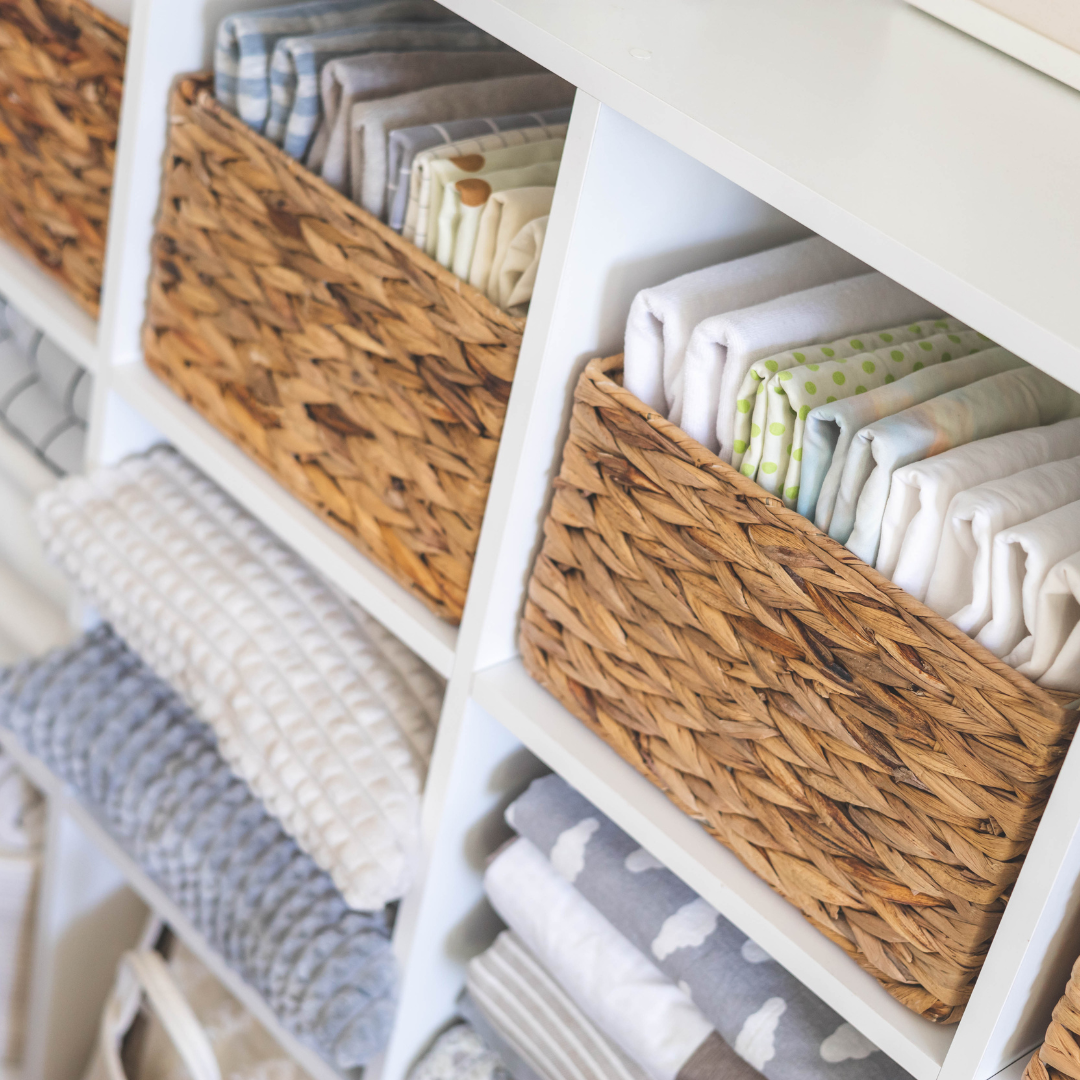
Why Your Linen Cupboard Always Ends Up a Mess
A linen cupboard collects more than almost any other storage space in the house. Nothing in it gets used every day. Sheets get swapped twice a year. Towels get folded back in roughly the right place, if that. There’s no daily habit forcing anyone to confront what’s actually on the shelves. So it grows quietly until the door barely shuts.
It’s also one of the only cupboards where almost anyone in the house can add to the pile. Washing gets put away by whoever’s free. Gifted towel sets get pushed to the back. And nobody owns the decision about what stays. That’s not a discipline problem. It’s a cupboard with no system and no single person responsible for it.
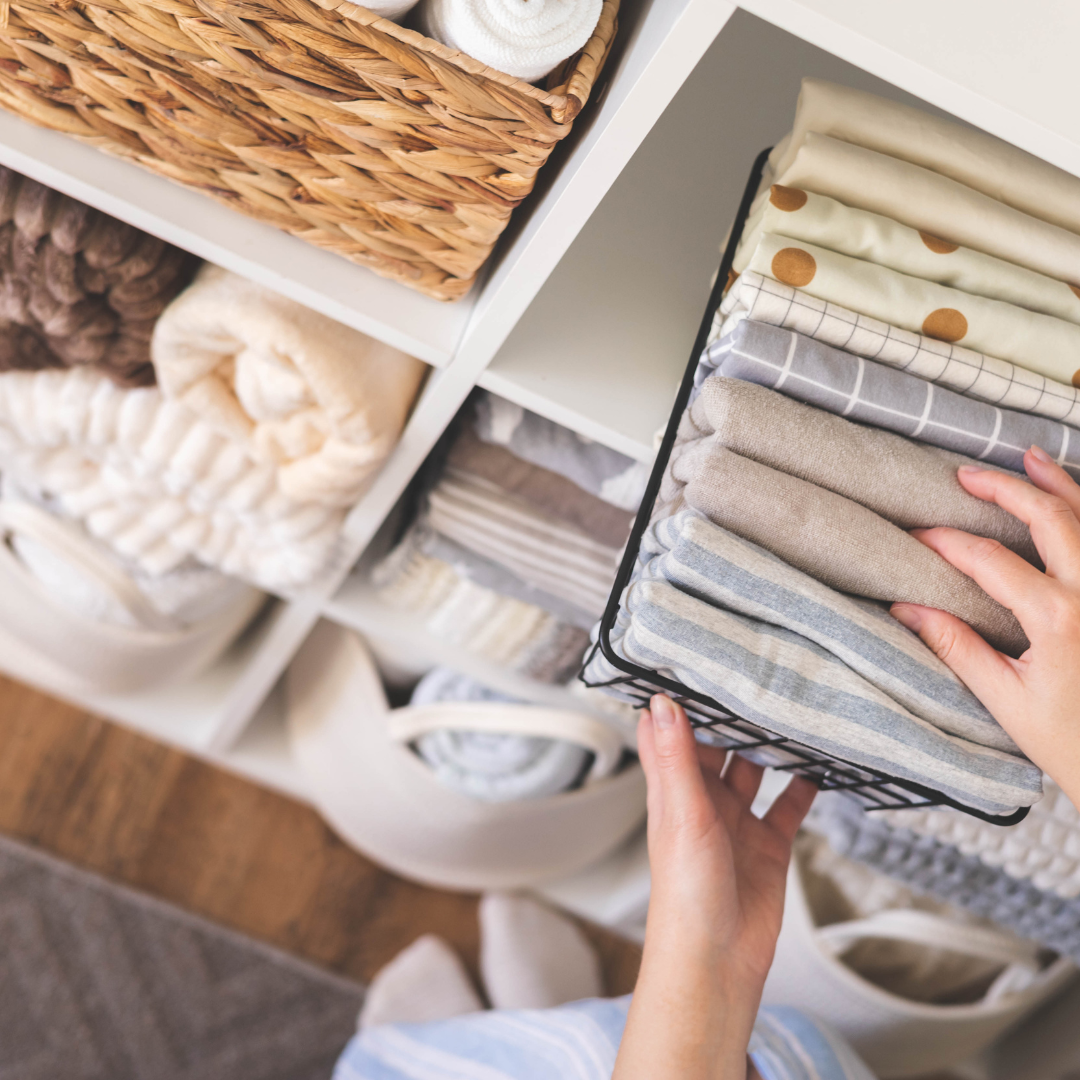
How to Declutter Your Linen Cupboard Without Losing a Saturday
Pull everything out in one go. Sort by bed rather than by type, not by what’s already stacked in front of you. For each bed in the house, decide on a real number. Two fitted sheet sets and one doona cover per bed is plenty for most families. Three if laundry day sometimes slips.
Anything beyond that number is a decision, not a default keep. Stained or thinning towels can become rags for the garage. Sheet sets missing their matching pillowcase can go to an op shop or a verified swap group. The goal isn’t a smaller pile for its own sake. It’s a cupboard where every item on the shelf has an actual bed it belongs to.
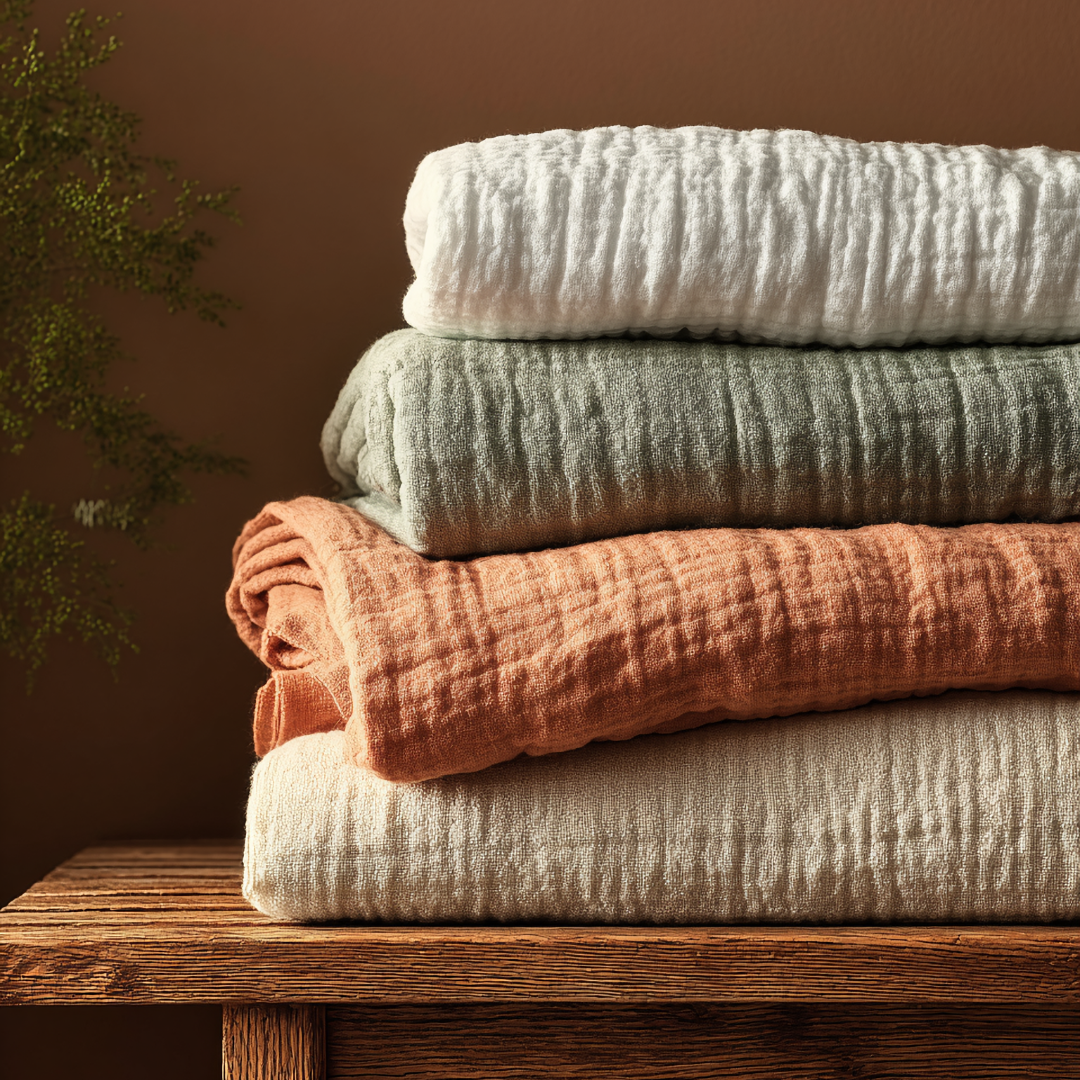
Zone Your Shelves by Bed, Not by Category
Most linen cupboards are organised by item type — all sheets together, all towels together. It sounds logical, until three people are searching the same shelf at once. Zoning by bed works better in a real family home. One shelf or section per bedroom holds that bed’s sheets, pillowcases and a spare doona cover. Everyone collecting clean linen finds the right size, without unfolding four sets to check.
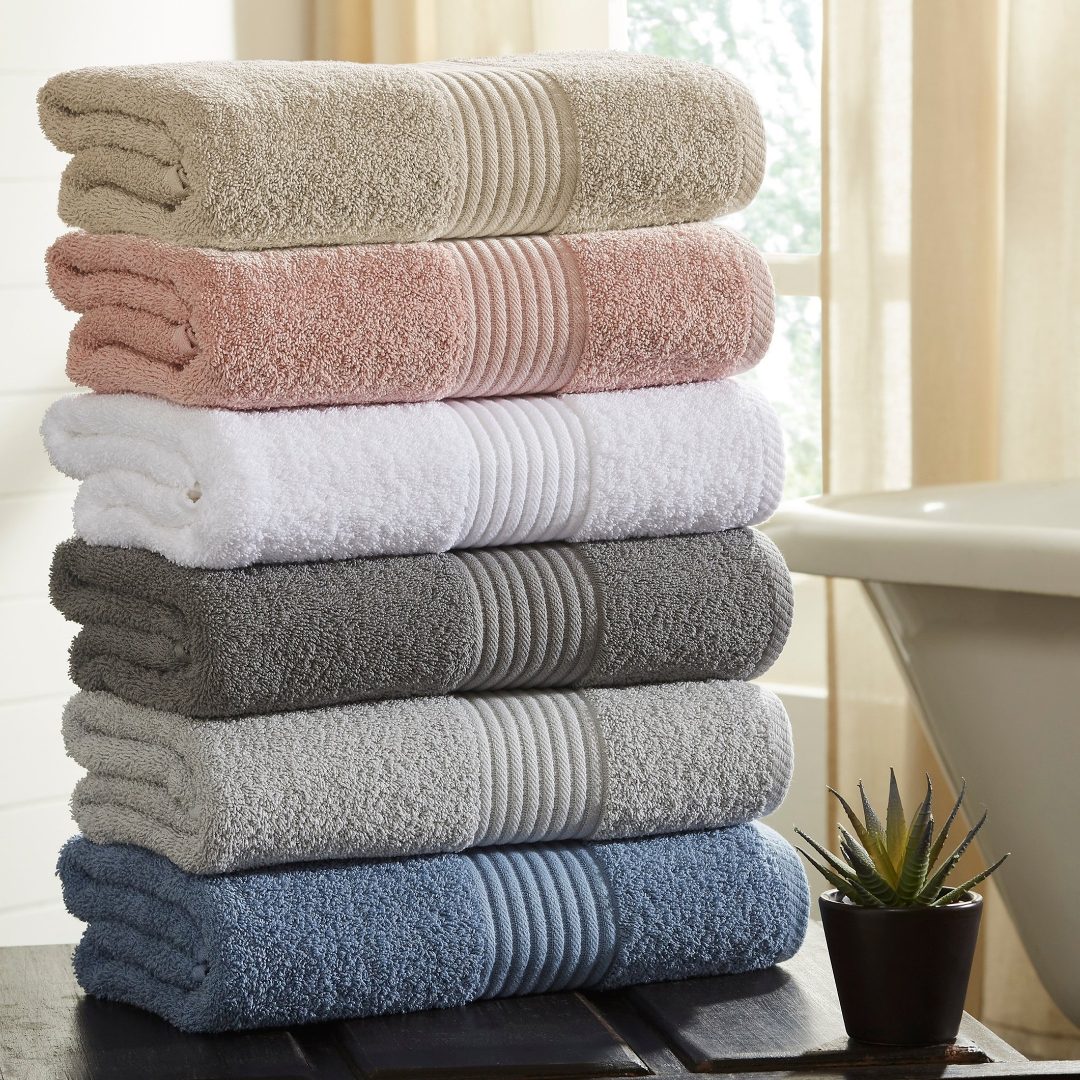
Bath towels can get their own zone by person or by colour. A teenager or a guest can then find their own towel, without raiding everyone else’s. Label each zone clearly once it’s set. A printed label or a photo on the shelf edge does the job. Anyone in the house, not only you, can put things back correctly.
Why You’ll Need to Declutter Your Linen Cupboard Again in Six Months (And That’s Fine)
Why you’ll need to declutter your linen cupboard again in six months comes down to real life, not bad habits. Kids grow out of single beds into queen ones. Towel sets wear out. And gifted linen keeps arriving, whether you asked for it or not. A linen cupboard isn’t a project you finish once. It’s a system you check on a regular rhythm.
Build that check into something you’re already doing. When you change the sheets, glance at what’s stacked behind them. If a set hasn’t been touched in two seasons, it’s probably not in rotation. It doesn’t need the shelf space it’s holding.
The System That Means You Never Declutter Your Linen Cupboard From Scratch Again
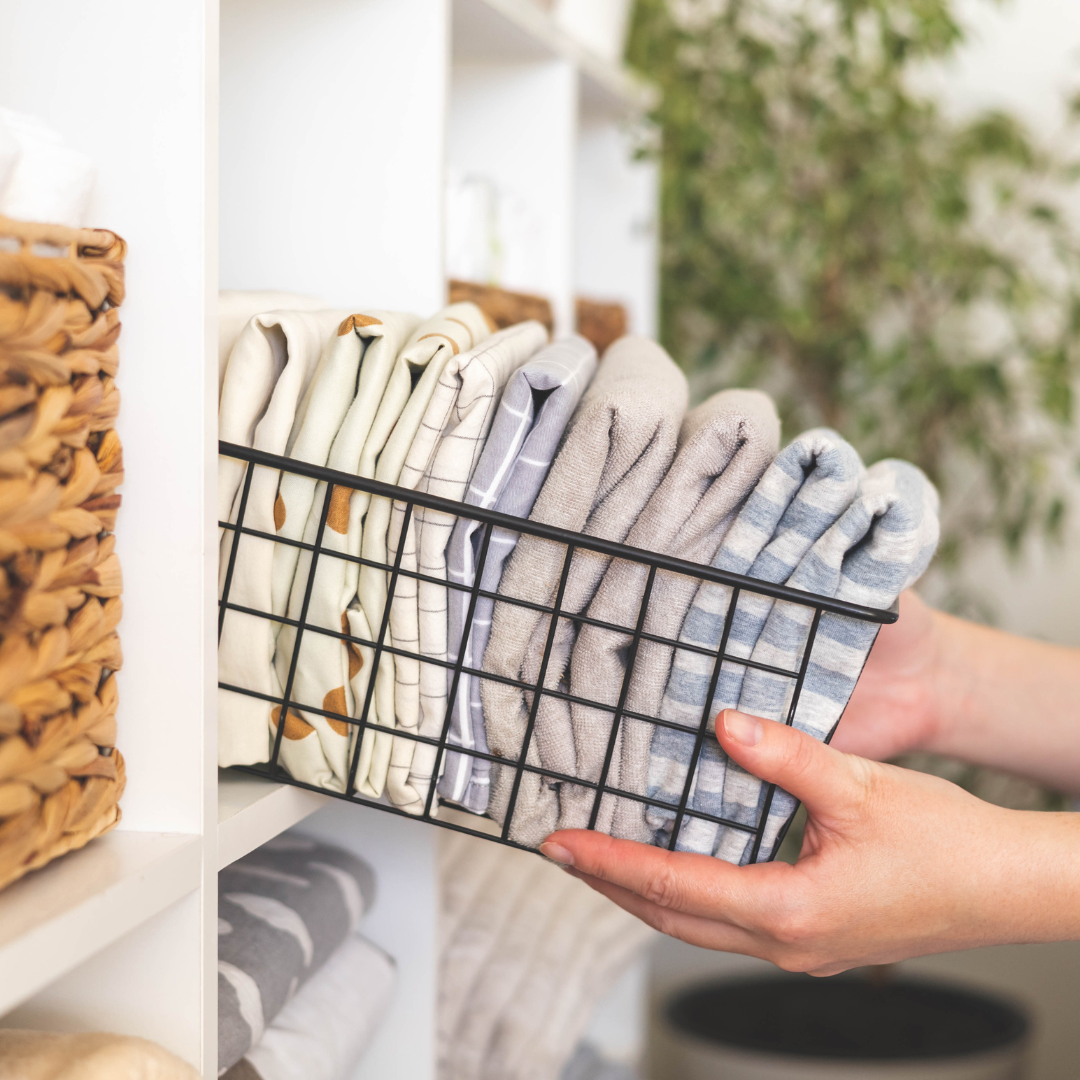
A system that holds gets checked little and often. It doesn’t get attacked once a year and then left to refill. Pair the cull with a habit you already have — laundry day, or the changeover of seasons. That way, it never needs its own slot on the calendar.
Once the zones are set and labelled, the system runs itself. Anyone changing sheets or grabbing a towel can find what they need. And put the rest back in the right place. That’s the actual goal: one less thing on your mental load, and a cupboard nobody dreads opening.
Ready to Get Your Home Organised?
If you’d value a professional set of hands, Eve and the Ducks in a Row team are here to help. We work with busy Melbourne families to create calm, functional spaces with systems that actually stick.