

Your bedroom is more than just a place to sleep, it’s a personal sanctuary where your mind and body should be able to rest, recharge, and find peace. It should feel like a retreat, a space that instantly makes you exhale the moment you walk in.
But when your bedroom is cluttered and disorganised, it can negatively affect your sleep and mental wellbeing. Messy drawers, laundry piles, and crowded surfaces create stress and make it harder to unwind at the end of the day.
Decluttering your bedroom is a powerful step toward creating a calm, restful space that supports better sleep and lowers stress. In this guide, we’ll explore why it matters, share practical tips to transform your bedroom, and help you maintain a clutter-free sanctuary for the long term.

Quick Takeaways
- A cluttered bedroom interferes with rest — your brain reads mess as unfinished work.
- Clear the surfaces, edit the wardrobe and keep the floor empty: the big three.
- Small regular resets keep the sanctuary feeling like one.
Why Decluttering Your Bedroom Is Essential for Mental Health and Sleep
The Link Between Clutter and Stress
Clutter is more than a physical mess, it affects your mental and emotional state. When your surroundings are chaotic, your brain is forced to process excessive stimuli, which can lead to feelings of overwhelm and anxiety. This is especially true in a bedroom, where your mind needs to switch off and prepare for rest.
Research indicates that cluttered environments trigger increased levels of cortisol, the stress hormone, which can interfere with sleep onset and quality. Stress also disrupts the balance of other hormones like melatonin, which regulates your sleep cycle. Simply put, clutter can make it much harder to relax and enjoy restful sleep.
Even small visual messes, like a chair full of clothes or an untidy nightstand, can quietly fuel stress without you realising it.

How a Cluttered Bedroom Interferes with Sleep
- Visual Distraction: Piles of laundry, scattered books, or overflowing drawers create a sense of chaos that your brain can’t ignore.
- Reduced Relaxation: A messy environment prevents the bedroom from feeling like a sanctuary.
- Mental Overload: Clutter reminds you of unfinished tasks or things to organise, keeping your mind active when it should be winding down.
- Allergens and Dust: Clutter can trap dust and allergens, which may cause discomfort or breathing issues during sleep.
By decluttering and organising your bedroom, you can reduce these negative influences and promote a healthy sleep environment.
Detailed Bedroom Decluttering Ideas for Better Sleep and Less Stress
- Keep: Clothes you wear regularly and feel good in.
- Donate: Items in good condition but no longer worn.
- Recycle/Discard: Worn-out or damaged clothing.
Organise the clothes you keep by type (shirts, pants, dresses) and colour to make daily dressing easier and more enjoyable. Consider storing off-season clothes separately to free up space.
Make the most of your bedroom space with clever storage options:
- Under-bed Storage: Use flat boxes or drawers to store shoes, extra bedding, or out-of-season clothes.

Image source: Kmart
- Drawer Dividers: Keep smaller items like socks, underwear, and accessories neatly organised.

Image source: Kmart
- Hanging Organisers: Maximise vertical space inside your wardrobe for scarves, belts, or jewellery.

Image source: Amazon
- Multi-functional Furniture: Consider beds with built-in storage or bedside tables with drawers to reduce surface clutter.

Image source: Fantastic Furniture
- Limit Electronic Devices in the Bedroom
Electronic devices, including phones, tablets, and TVs, emit blue light which can disrupt your body’s natural melatonin production. Additionally, they encourage mental stimulation when your mind should be relaxing.
Try to keep electronics out of the bedroom or limit their use at least an hour before bedtime. Charge devices outside the bedroom to reduce temptation and create a screen-free sleep environment.
- Simplify Bedding and Decor
Your bedding and decor should promote relaxation:
- Choose soft, breathable fabrics in soothing colours.
- Limit decorative pillows and throws to avoid excess clutter.
- Use minimalistic art or calming wall colours to enhance tranquility.
Less visual noise in your bedroom helps your brain relax more quickly.
- Create a ‘Drop Zone’ for Essentials
Designate a small tray, bowl, or basket for daily essentials like keys, watches, jewellery, or glasses. This keeps these items organised and prevents them from accumulating on your bedside table or dresser.

For example, a small ceramic dish by the bed can neatly hold your rings and earrings each night.
- Adopt a Nightly Reset Routine
Spend 5-10 minutes each night tidying your bedroom. Put away clothes, clear surfaces, and prepare your space for restful sleep. This routine stops clutter from building up and reinforces the habit of organisation.

How do you declutter a shared master bedroom?
Most bedroom advice quietly assumes one person owns the space. Your master bedroom, though, holds two adults, two sets of habits, and two very different ideas of tidy. So the fix starts with a simple boundary: give each person their own zone. Assign one bedside table each, and then split the dresser into a his side and a her side. Because the clutter now has an owner, the nightly “whose pile is this” negotiation quietly fades. Next, agree on the shared surfaces — the end of the bed, the windowsill, the top of the drawers. Keep those clear by default, and treat anything left there as a two-minute reset before sleep. You have both been carrying this load, so splitting it in two makes the whole room lighter for each of you.
What about the bedroom chair that collects clothes?
Almost every master bedroom has one — the chair, the exercise bike, or the corner that slowly becomes a second wardrobe. It fills up because those clothes sit in limbo between clean and washing. Therefore the real fix is a decision rule, not more storage. Give worn-once clothes a proper home, such as a single hook behind the door or a small basket you empty every Sunday. Then the chair goes back to being a chair. When the pile still creeps back, look at your wardrobe instead, because an overflowing wardrobe always spills onto the nearest flat surface. Trim the wardrobe first, and the chair usually stays clear on its own.
- Regular Reviews and Purges: Schedule regular check-ins, such as monthly or seasonally, to review your belongings. Donate or discard items that no longer serve you. This prevents clutter from creeping back in over time.
- Be Mindful of New Items: Before bringing new items into your bedroom, ask yourself if they are necessary or truly add value to your space. Practising intentional purchasing habits prevents unnecessary clutter.
- Simplify Your Cleaning Routine: Keep cleaning simple and manageable by breaking tasks into small daily or weekly actions. For example, dust one surface per day or vacuum twice a week. A clean room naturally feels more organised.
- Use Soothing Scents and Lighting: Enhance your decluttered bedroom with relaxing scents like lavender or chamomile using diffusers or candles. Choose soft, warm lighting to create a cosy atmosphere that encourages relaxation and sleep.
- Reduced Stress and Anxiety: A calm, tidy space can lower overall stress levels.
- Improved Mood: Organised surroundings boost feelings of control and wellbeing.
- Increased Productivity: Waking up in a tidy space helps start the day with clarity and purpose.
- Healthier Environment: Less dust and allergens lead to better respiratory health.
- Better Social Confidence: Feeling proud of your bedroom encourages you to invite friends or family over without worry.
A fast master bedroom decluttering checklist by zone
When you want to move fast, work the room in zones rather than in one big sweep. Start small, finish a single zone, and then move on to the next. First, clear your bedside tables back to a lamp, a book, and one charger. Second, reduce the dresser top to three items, and then wipe it down. Third, store only flat, seasonal things under the bed, because random overflow just hides there for years. Finally, pull anything from your wardrobe you have not worn in a year, and set it aside to donate. Each finished zone gives you a small, visible win, and those wins are what keep you going.
Maintaining a Clutter-Free Bedroom for Long-Term Benefits
The Benefits of a Decluttered Bedroom Beyond Sleep
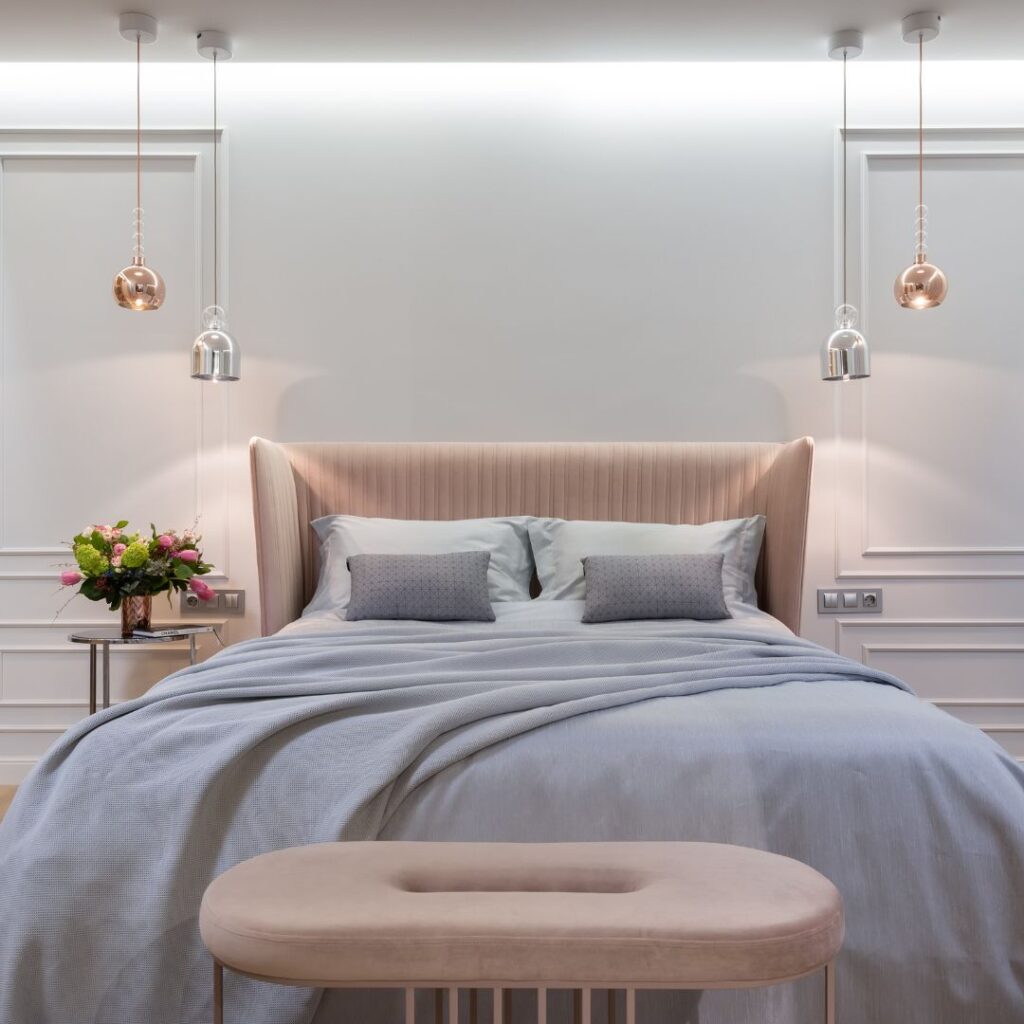
Your Peaceful Space Starts Here!
A restful room begins with intentional choices and simple changes.
Your bedroom should be a haven that nurtures both your body and mind. By applying these detailed bedroom decluttering ideas, you can transform your space into a calm, organised sanctuary that supports better sleep and reduces stress.
Remember, the key to success is starting small, being consistent, and maintaining a mindful approach to what you keep and bring into your space. If you feel overwhelmed or need personalised support, consider consulting a professional home organiser who can tailor solutions to your lifestyle and space.
Ready to reclaim your bedroom and improve your sleep?
Book now to schedule your free consultation with Ducks in a Row Home Organisation and start your journey to a clutter-free, restful sanctuary.