

A toy rotation system is the calm answer to a play area that looks tidy on Sunday and buried by Tuesday. You have probably done the big sort-out, bought the baskets and added the labels already. The toys still spread, and that says nothing about your effort.
The real problem is volume. When there is more out than a child can use, the extra toys become clutter, and no bin can hold that forever. This guide shows you how to fix the volume itself with a system that stays simple.
Quick Takeaways
- Fewer toys out means less to tidy and longer play.
- Sort into keep out, store away and let go, then split the store-away pile into mixed boxes.
- Involve your kids in each swap, and it works for pre-teens too.
What is a toy rotation system and why does it work?
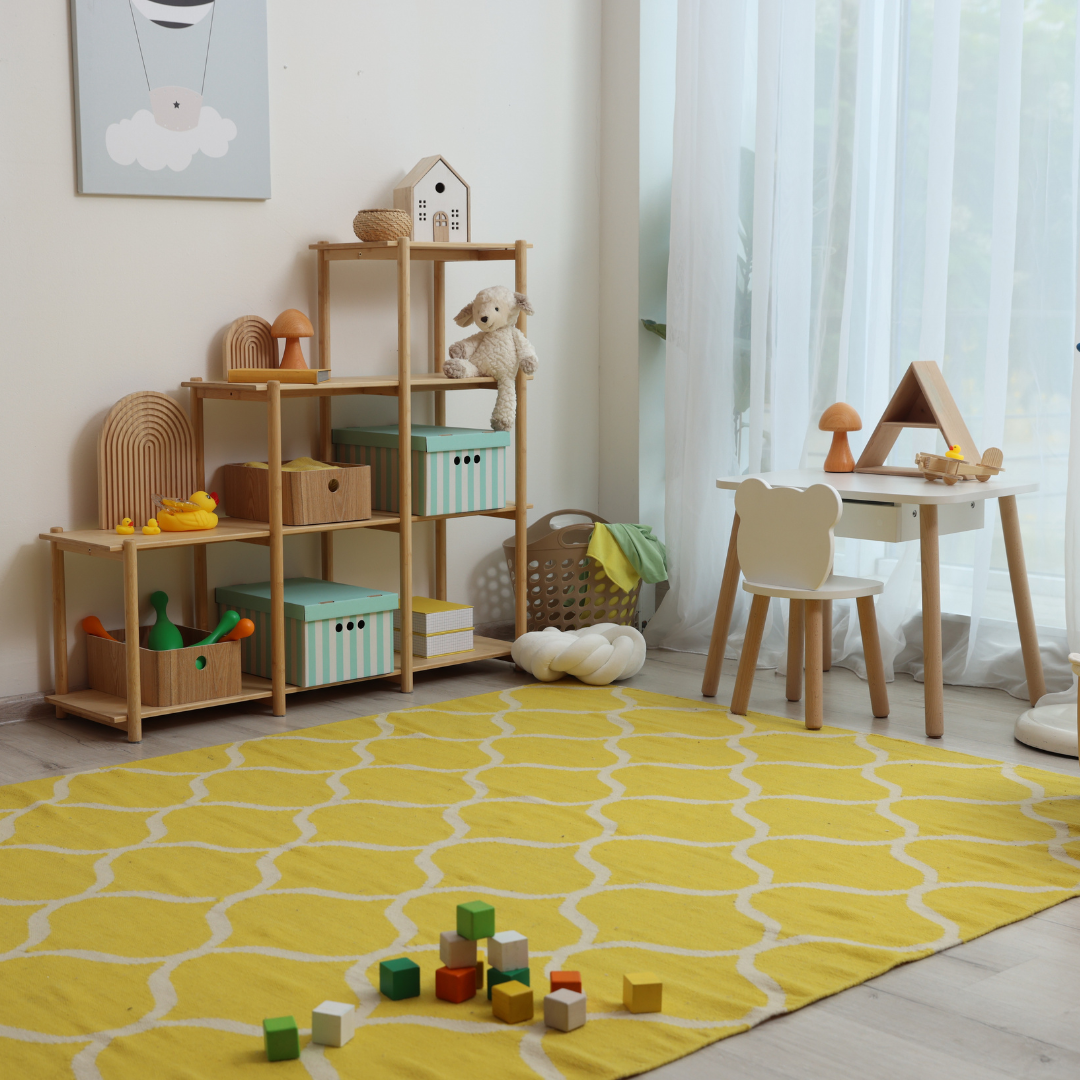
A toy rotation system splits your toys into two groups. One group stays out, and the other sits in storage until its turn. Every few weeks you swap them over.
It works because less on the floor means less to tidy. Kids also play for longer with a smaller choice, and the stored toys feel new again when they return. The mess never gets a chance to build, so you stop fighting the same pile every weekend.
This is more common than you think. Most homes with kids hold two or three times the toys the children actually use in a week, and that is a storage problem before it is a discipline problem.
How do you set up a toy rotation system in one afternoon?
Start by pulling everything into one spot, because you cannot plan what you cannot see. Then sort the toys into three piles: keep out, store away and let go. Broken pieces, duplicates and anything nobody has touched in months belong in the third pile.
Next, divide the store-away pile into three or four boxes, and mix the types in each box. For example, put one construction set, one pretend-play set and one game in every box. That way each swap gives your kids something fresh in every kind of play.
Finally, label the boxes and put them somewhere high or out of sight, like the top of a wardrobe or the garage shelf. Keep the out-toys on one shelf or in one or two bins, so the play area has a clear limit that the whole family can see.
Which toys should stay out all the time?
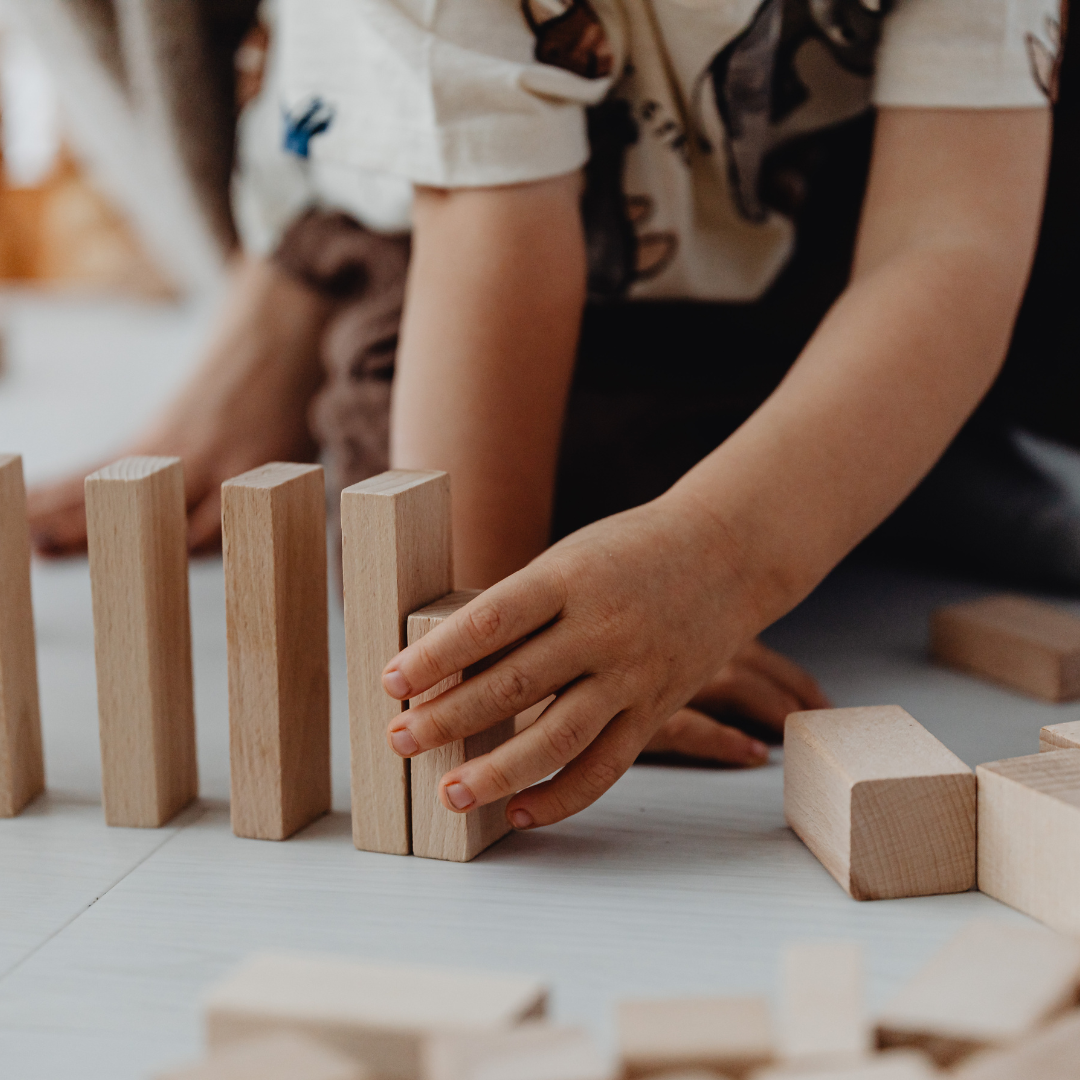
Some things should never go into a box. Favourite comfort items, books and basic art supplies belong on the shelf every day, because kids reach for them without thinking. Rotating those only creates arguments.
Anything that needs setting up, like a big train track or a Lego build in progress, also earns a permanent spot until the project ends. Meanwhile, the boxes hold the one-off items that kids forget about once they are out of sight.
If you are unsure about a toy, move it to a box rather than the bin. Then check the box at the next swap, and if nobody asked for the item in two rotations, you have your answer. This gives you a low-pressure way to let go, with no guilt and no rushed decisions.
Does a toy rotation system work with older kids?
It does, but the boxes look different. Pre-teens do not play with a wooden farm anymore, yet they still own board games, craft kits, building sets and a pile of half-finished projects. A toy rotation system handles these equally well.
Let your kids choose what goes in the next box. When they help pick, they feel in charge, and you stop being the person who decides what stays. Because of that, the swap becomes a five-minute habit instead of another job on your list.
Aim for a swap every four to six weeks. Pick a fixed date, like the first Sunday of the school term break, and put it in the family calendar so nobody has to remember it.
Once the boxes are labelled and the shelf is set, a toy rotation system asks for very little. You swap the boxes, wipe the shelf and move on, and that is the whole routine.
Ready to Get Your Home Organised?
If you’d love a professional set of hands to help you declutter and organise your home, Eve and the Ducks in a Row team are here to help. We work with busy Melbourne families to create calm, functional spaces with simple systems that actually stick.