

Clutter hotspots are the few spots in your home that refill within days, however carefully you cleared them. Think of the kitchen bench, the dining table, or the bedroom chair that slowly became a second wardrobe. So you clear them again, and by Wednesday they look exactly as they did before.
Here is the reassuring part. Hotspots do not appear because you lack discipline. Instead, they appear because your home takes in more than it has landing places for. Once you sort out the landing place, the pile stops rebuilding itself. So this post skips the guilt and goes straight to the five spots we meet in almost every family home. You also get the fix that suits each one.
Quick Takeaways
- Hotspots form where an item has no home within arm’s reach, so fix the landing place rather than the pile.
- Five spots cause most of the mess: the bench, the table, the chair, the entry, and the stairs.
- A 15-minute reset plus one new tray, basket, or hook keeps a hotspot clear for good.
What Are Clutter Hotspots — And Why Do They Keep Coming Back?
Clutter hotspots form in predictable places, and the pattern rarely shifts from one home to the next. Each spot sits on a route your family walks every day, so it catches whatever people carry. It also sits near a decision nobody wants to face right now. Think of the school note, the receipt, or the jumper that might go back on tomorrow. Because the item has no home within arm’s reach, it lands on the nearest flat surface instead. Then a second item joins it, and the little pile gives everyone permission to add more.
The 5 Clutter Hotspots Almost Every Family Home Has
Every household differs a little. However, after years of in-home sessions we meet the same five clutter hotspots again and again. See how many you recognise.
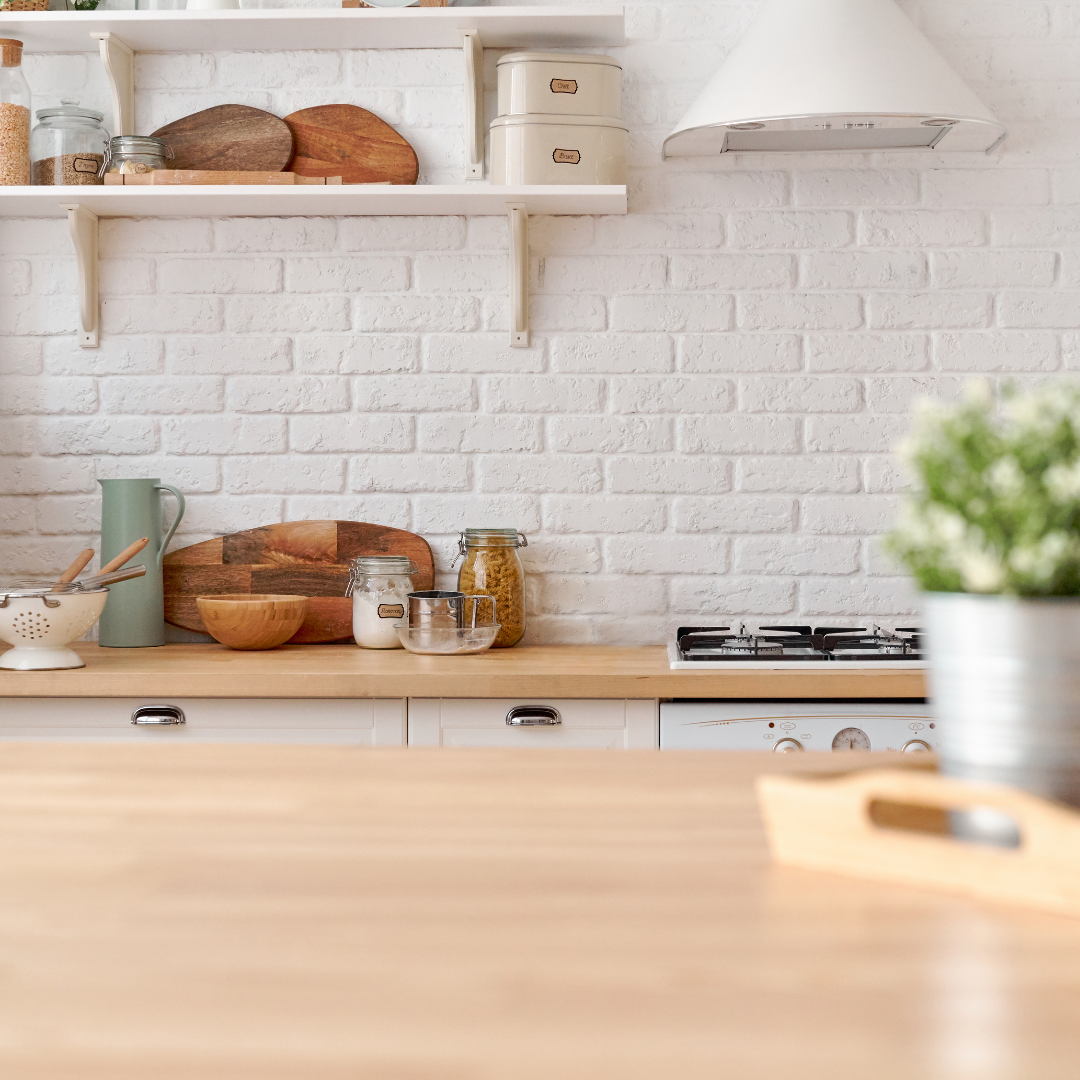
- The kitchen bench. Mail, lunchboxes, chargers, and whatever someone puts down mid-conversation.
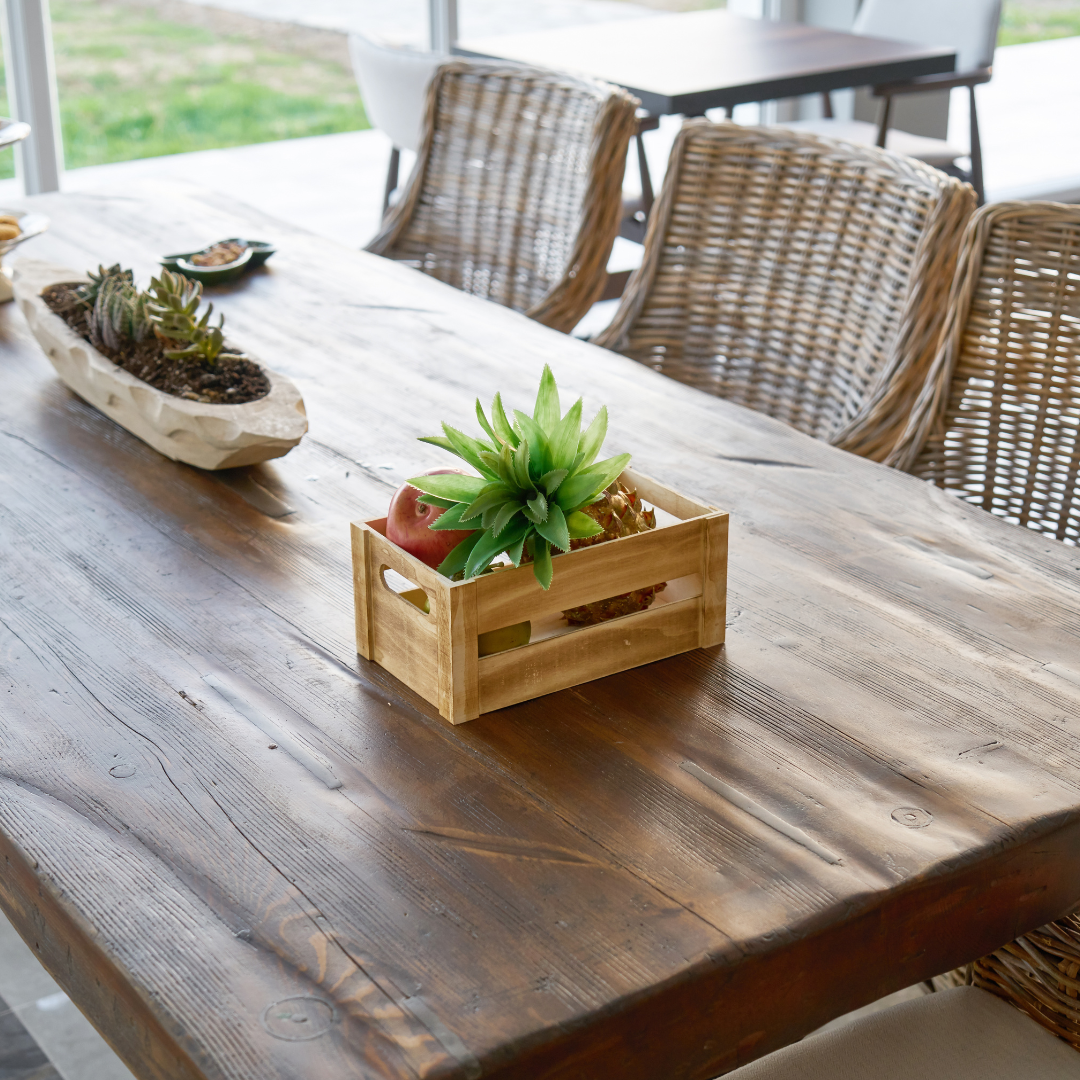
- The dining table. Homework, craft projects, and clean washing that never quite reaches a drawer.
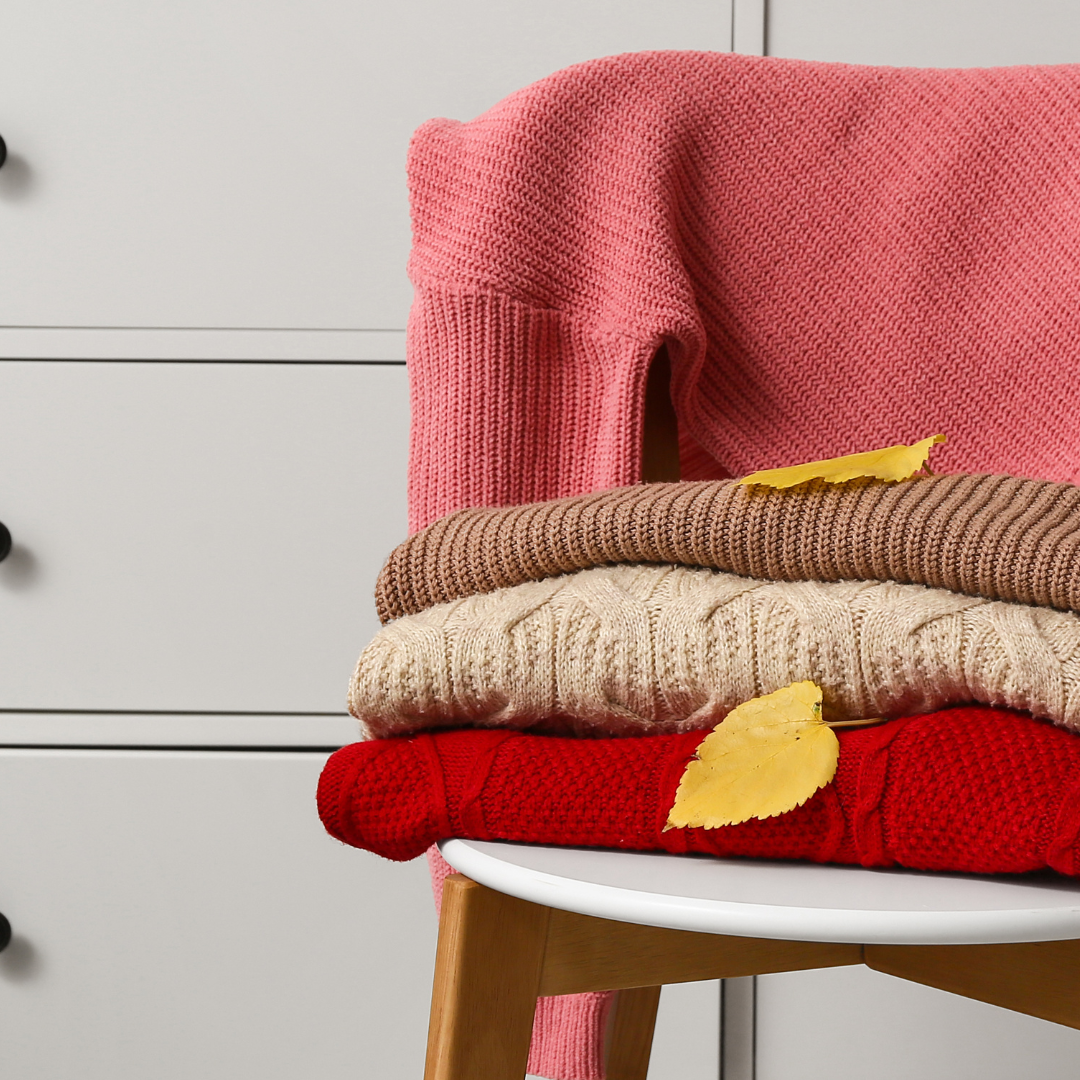
- The bedroom chair. Clothes too clean for the wash basket, yet too worn for the wardrobe.
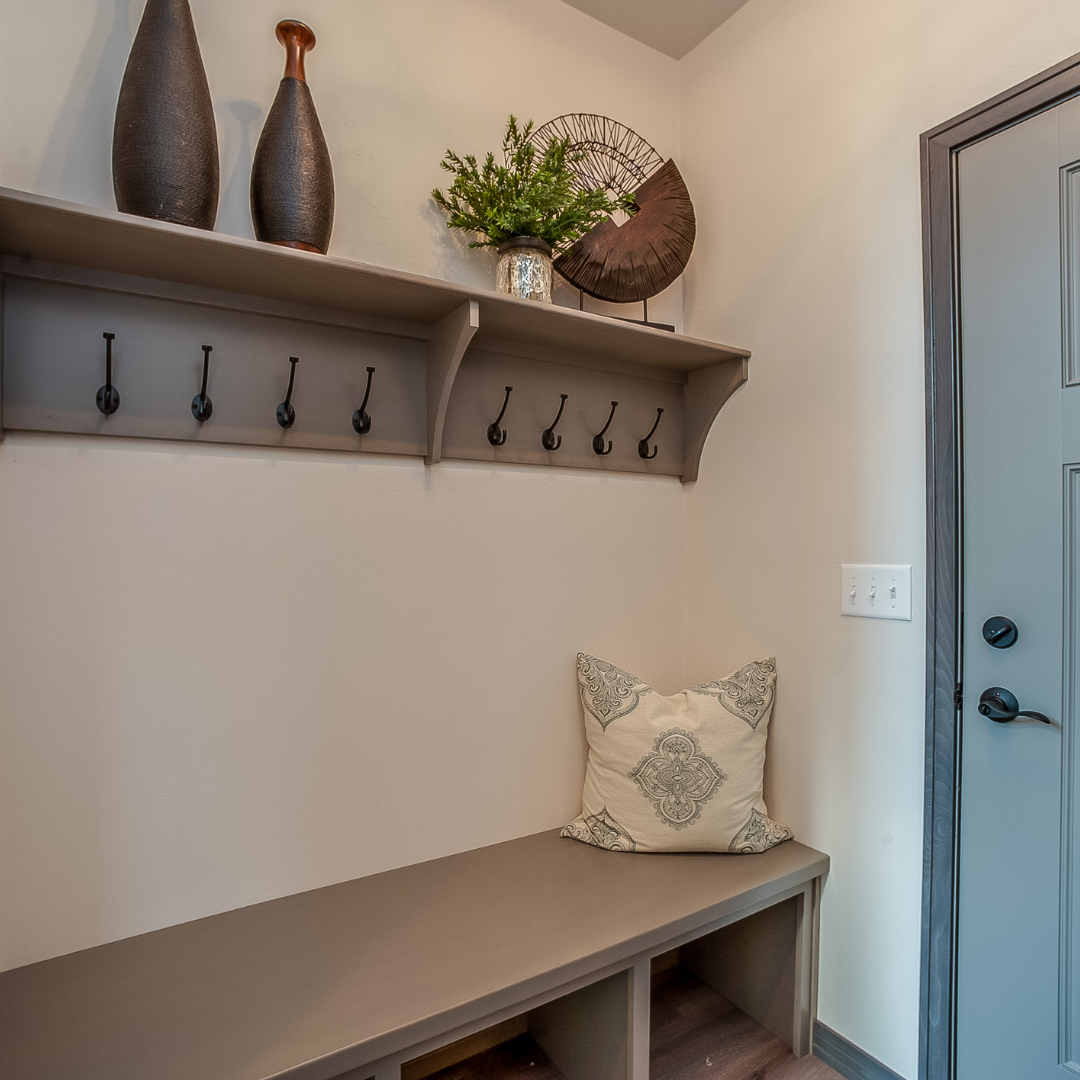
- The entry floor. Bags, shoes, sports gear, and the parcel nobody has unpacked.
- The bottom of the stairs. Anything that belongs upstairs, waiting for a willing volunteer.
Notice the pattern. Each of those spots sits where an activity ends. Yet none of them offers a proper place to put the thing down.
Why Does Tidying These Spots Never Last?
Most of us tackle a hotspot the same way. We clear the surface, wipe it, and feel briefly wonderful. However, the pile creeps back because nothing underneath it actually shifted. The mail still has nowhere to go. The sports bag still has no hook. So each item drifts back to the flat surface it left, and the cycle restarts within days. Real progress begins once you stop treating the pile as the problem. Instead, read it as a signal that tells you which home is missing.
How to Reset a Hotspot in 15 Minutes
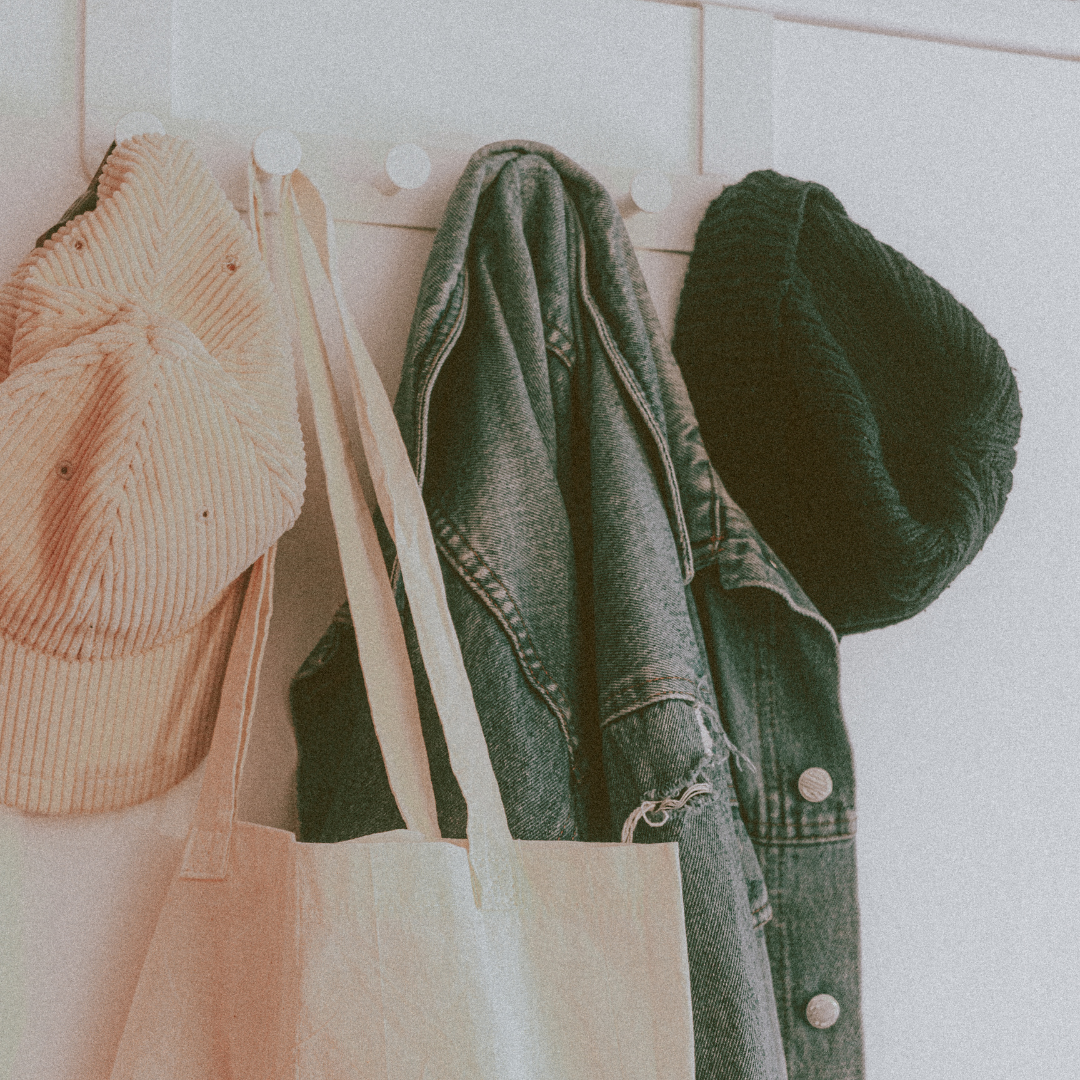
Pick one spot and set a timer, because a short window keeps the job small enough to finish. First, sort everything into three groups: belongs elsewhere, belongs here, and leaves the house. Next, walk the first group around and put those things away properly. Then look hard at the second group. Those items clearly want to live here, so give them a tray, a basket, or a hook right there. Finally, take the third group out to the car or the bin before anyone rescues it.
Habits That Keep Clutter Hotspots Clear
One reset alone will not hold, so pair it with two small habits. First, run a five-minute sweep of your clutter hotspots before dinner, and invite the kids along. A timer and some music turn it into a game rather than a lecture. Second, review those new landing places every few weeks. A tray that overflows simply tells you the container needs to grow. Over time your family will return things without prompting, and the hotspots lose their pull.
Ready to Get Your Home Organised?
If you’d love a professional set of hands to help you declutter and organise your home, Eve and the Ducks in a Row team are here to help. We work with busy Melbourne families to create calm, functional spaces with simple systems that actually stick.