

Home organisation maintenance is the part nobody talks about. You do the big sort. The labelled bins go in, the photos look fantastic, and three weeks later the same drawer is jammed shut again. That isn’t a sign you did it wrong. It’s a sign nobody built in the part that keeps a system working once life gets busy again.
This is more common than you think. Every family we work with hits this same wall, no matter how good the original set-up was. The fix isn’t a bigger declutter. It’s a few minutes a week, attached to the rhythm your family already has. It holds without you having to rebuild it from scratch every school holidays.
Quick Takeaways
- A system without a maintenance habit will fail, not because of effort, but because nothing was built to keep it going.
- Five minutes once a week beats one big reset every few months.
- The best maintenance routines are attached to something your family already does, not an extra task on your list.
Why Doesn’t Home Organisation Maintenance Happen Automatically?
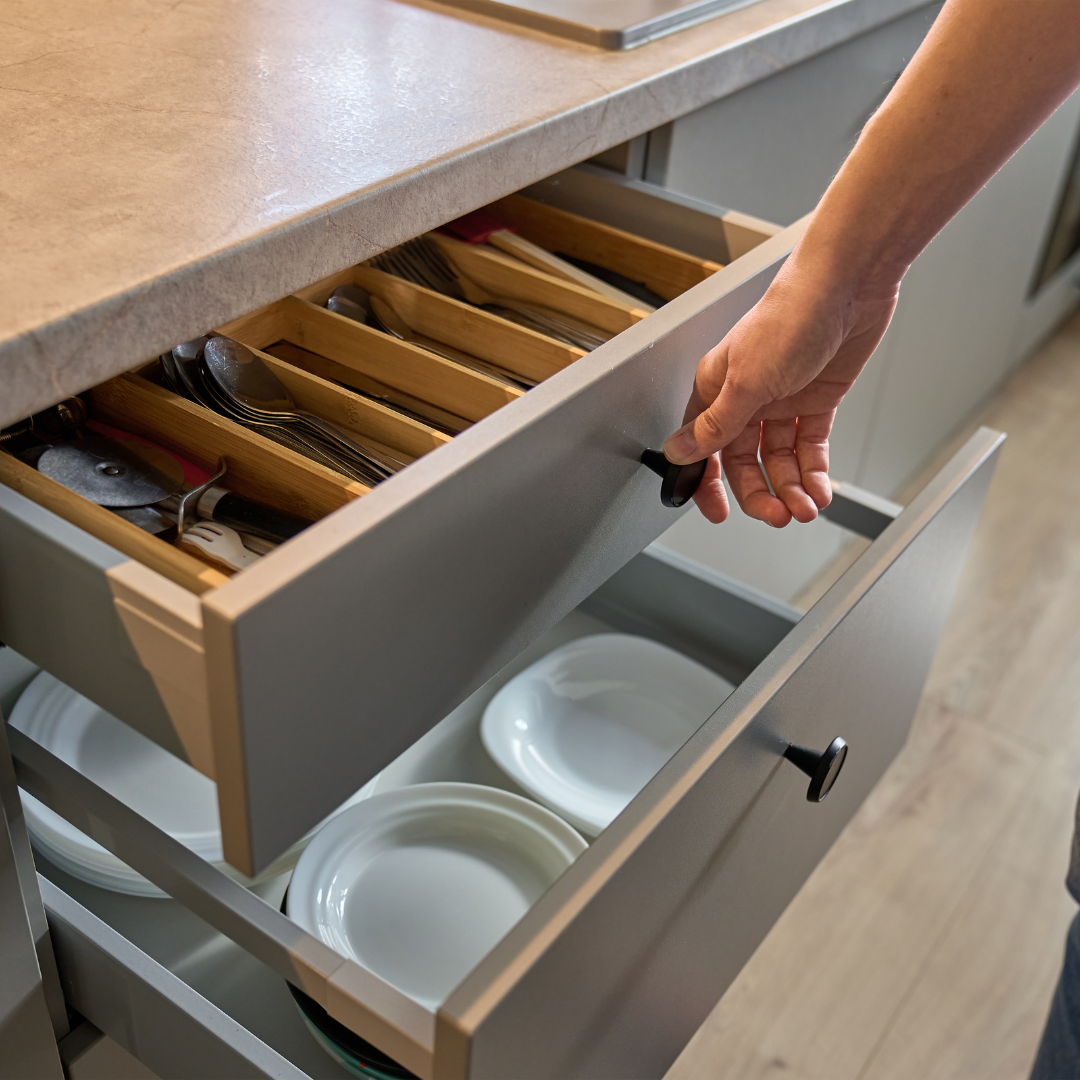
Most home organisation advice stops at set-up. You sort the pantry, label the bins, sort the kids’ wardrobes. The assumption is that the system will keep going on its own. It won’t, and that isn’t a flaw in you or your family. Systems drift because life isn’t static. Kids grow out of clothes. School terms change. New toys arrive over birthdays and nobody plans where they’ll live.
Home organisation maintenance is the missing layer between decluttered and stays decluttered. It isn’t a personality trait some people have and others don’t. It’s a habit, the same way the school drop-off is a habit. It’s something small that happens on a schedule. That way, the system never gets the chance to fully break down before someone notices and resets it.

What Home Organisation Maintenance Looks Like Week to Week
Maintenance doesn’t look like another weekend of pulling everything out. It’s smaller and far less dramatic than that. In the homes we work in, it usually comes down to three things. A five-minute reset at a set point in the week. A one-in-one-out rule for anything new that comes through the door. And a designated “no home yet” box. Stray items wait there until they’re sorted properly, instead of being shoved wherever there’s space.
None of this needs extra time most weeks. It needs a fixed slot, Sunday night or Friday afternoon, whenever your family already pauses. That way, the system gets checked before it tips over, rather than after. Home organisation maintenance works because it’s frequent and small, not because it’s thorough.

How Often Should You Check In On Your Systems?
There’s no single answer, but a useful guide is to match the check-in to how fast a space refills. High-traffic zones, like the kitchen bench, the entryway, and the kids’ bag hooks, need a look most days. Even sixty seconds on the way past is enough. Bedrooms and play areas can usually hold for a week between resets. Linen cupboards, the garage, and seasonal storage might only need a proper look every few months.
The mistake most families make is applying one schedule to everything. Often that means using whatever frequency suits the busiest space, which turns the slower spaces into extra work. Or it means using the slow schedule everywhere, which lets the busy spaces spiral. Match the rhythm to the room, and maintenance stops feeling like one more job on the list.
Building Maintenance Into a Routine Your Family Will Actually Follow
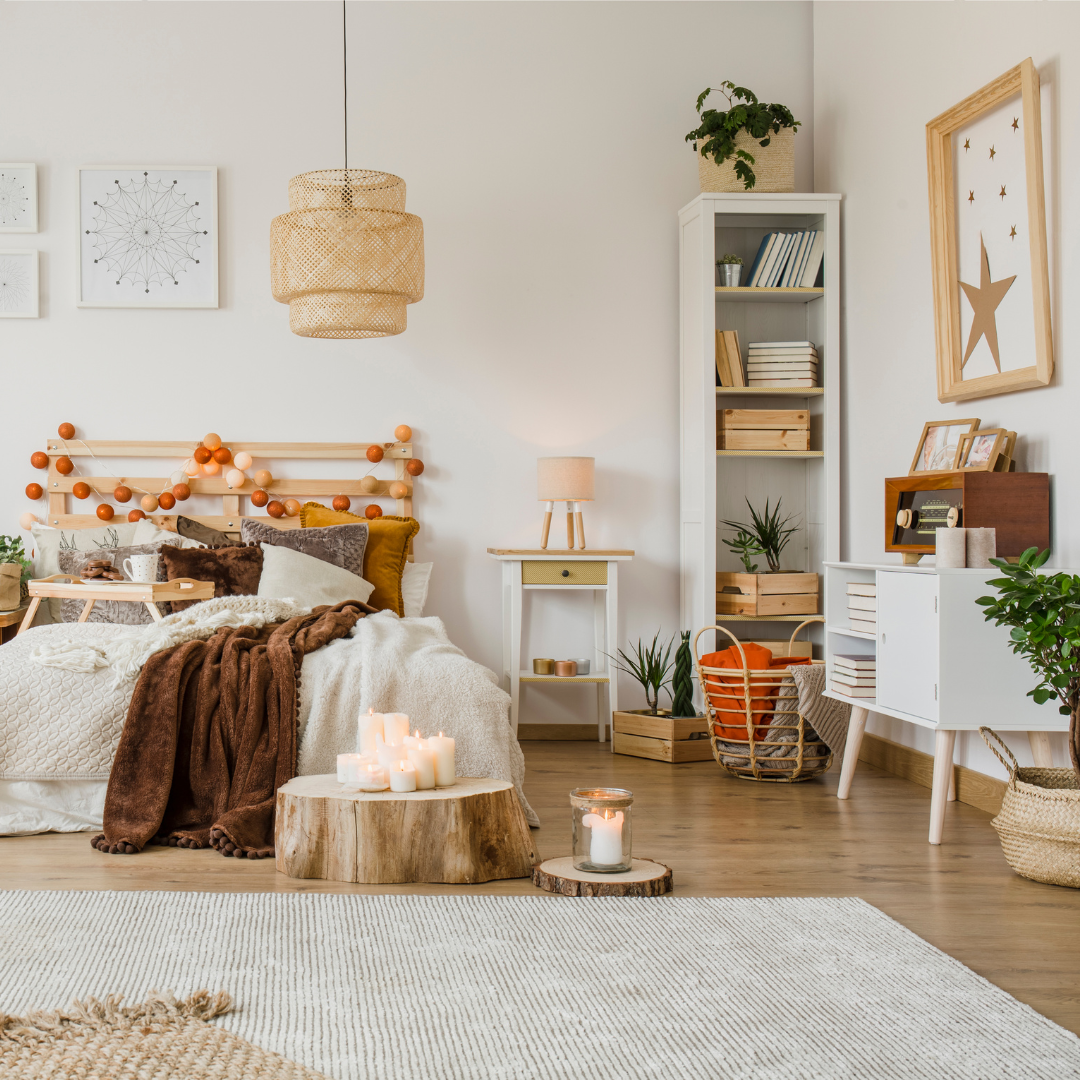
The systems that hold long-term are attached to something that already happens. They’re not the ones that ask your family to remember something new. If everyone already takes shoes off at the door, that’s where the shoe basket lives. If Sunday is meal-prep day, that’s when the pantry gets a sixty-second scan before the shopping list is written.
This is also where involving the kids pays off. Not by asking them to “tidy up,” which means nothing concrete to a nine-year-old. Instead, give them one specific job inside the system. Bag on the hook, water bottle in the dishwasher tray, library books in the basket by the door. That’s what real upkeep looks like: small, specific jobs attached to a routine that already exists. It stops relying on you to remember everything for everyone.
Ready to Get Your Home Organised?
If you’d love a professional set of hands to help you declutter and organise your home, Eve and the Ducks in a Row team are here to help. We work with busy Melbourne families to create calm, functional spaces with simple systems that actually stick.