

Decluttering with kids in the house is a different sport to decluttering alone. You get three boxes deep into the playroom, finally making progress. Then someone finds a broken toy they haven’t touched in two years. Suddenly it’s essential to their happiness.
It’s exhausting, and it’s a big reason declutters stall out halfway through a cupboard. But your kids don’t have to be the obstacle. With the right approach, they can help build the habits that keep your home calm. Not just for this weekend — for good.
Quick Takeaways
- Give kids age-appropriate jobs — even a four-year-old can sort items into a donation box.
- Use specific language like “keep” or “give away” instead of vague instructions like “tidy up.”
- End the session when the task is done, not when the complaining starts — short, finished wins build the habit.
Why is decluttering with kids so hard?
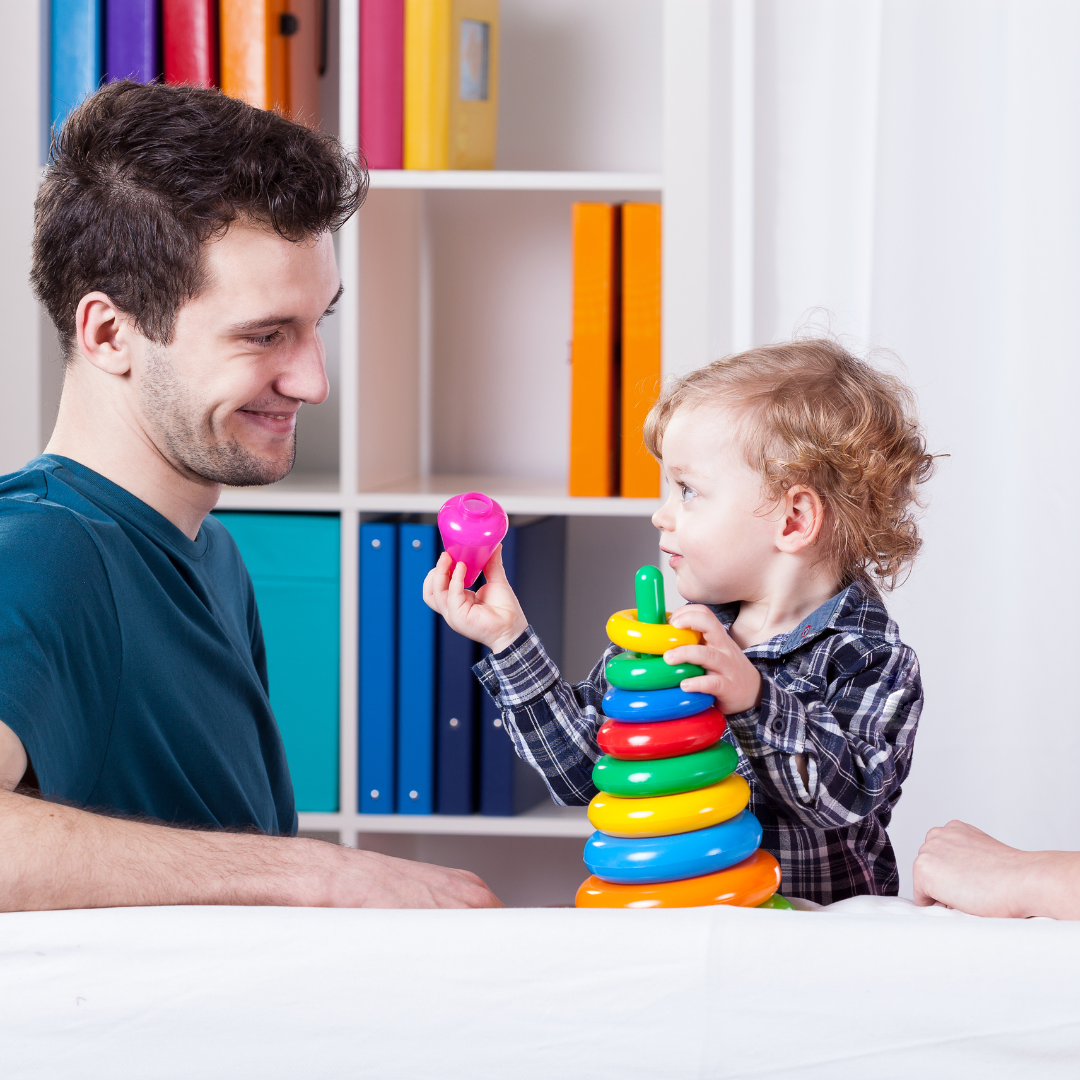
It’s not stubbornness — it’s development. Younger kids experience loss differently to adults. To you, an item might look like rubbish. To them, it could be a memory, a friendship, or a rare sense of control. Pre-teens add another layer. They’re starting to build their own identity through their belongings. That’s exactly why a top-down clean-out backfires, where mum decides everything alone. The fix isn’t moving faster, and it isn’t sorting their things while they’re at school. Give kids real say over real decisions, in pieces small enough that nothing feels like a threat. A fifteen-minute session on one drawer beats a three-hour Saturday assault on the whole room. Families who get this right treat decluttering with kids as a skill they teach, not a job they force.
What age should you start involving kids in decluttering?
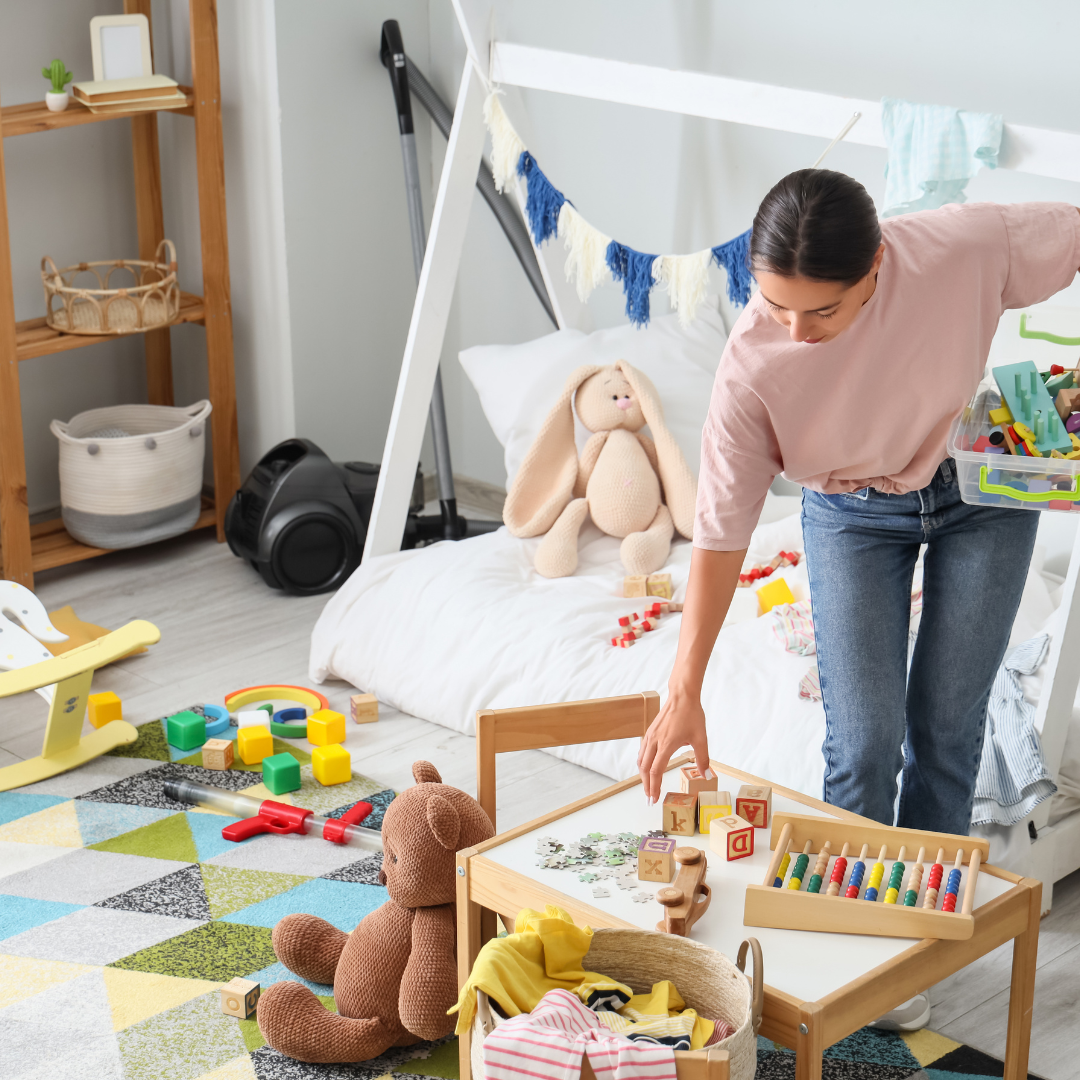
Earlier than most parents think. From about three years old, kids can follow a simple instruction like “cars in this bin, books on that shelf.” By six or seven, they can make basic keep-or-go calls on their own things, with a parent close by for the harder ones. Pre-teens — our core age group at Ducks in a Row — can run a whole category alone. Think their own wardrobe, their own desk, their own shelf of trophies. Your job at that age shifts. Instead of doing it for them, you set the boundaries: one shelf, one hour, three keep piles. Then you step back. Starting young matters less for the decluttering itself. It matters for what it teaches — that letting go doesn’t have to be a fight, and a tidy space is something you build.
How to make decluttering with kids a team effort
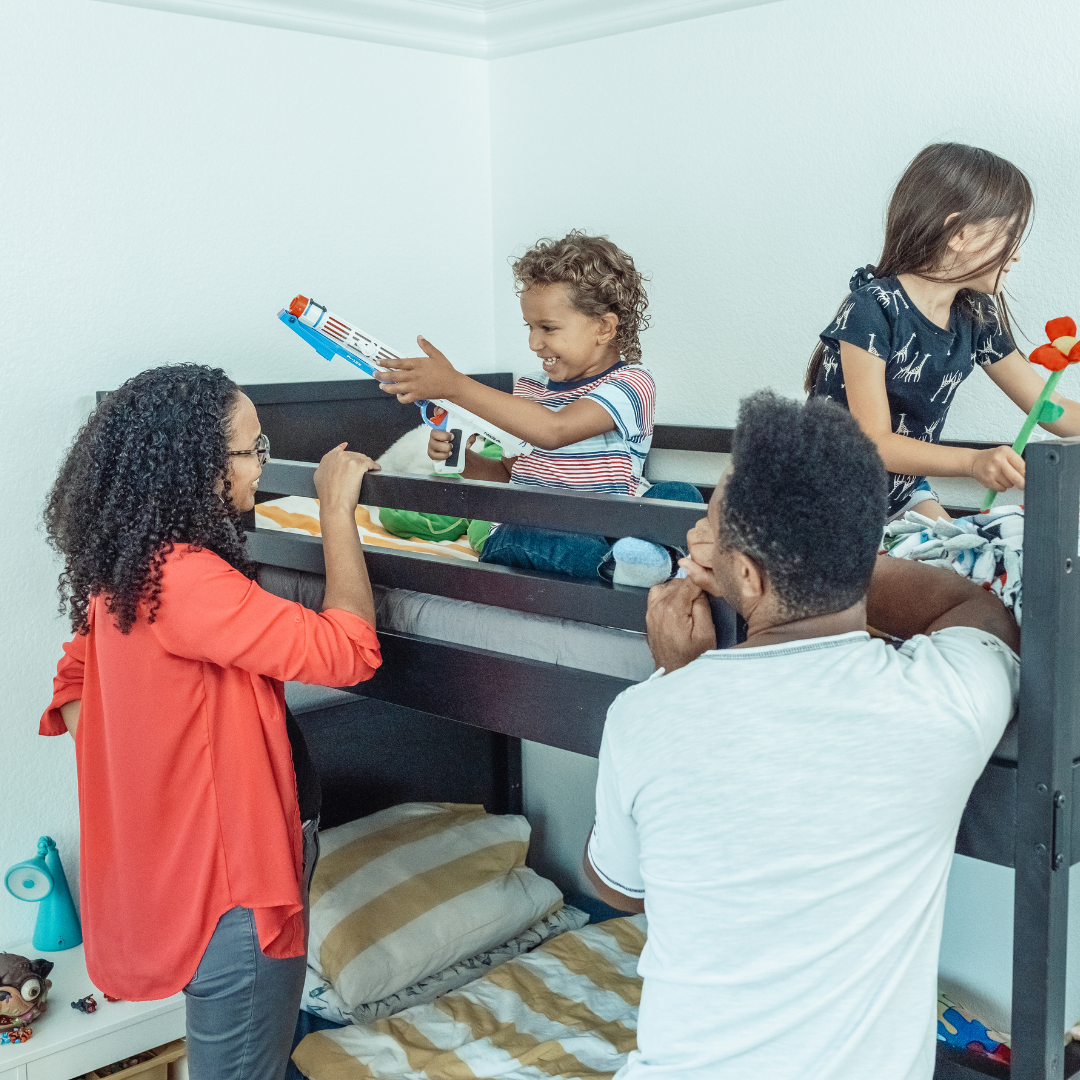
Set up three boxes — keep, donate, bin — before anyone touches a single item. Label them clearly so there’s no argument mid-session. Give each child their own zone. Shared decisions about shared spaces cause the most friction. Make the goal small and visible: “let’s finish this shelf before dinner” beats “let’s sort your room.” If a decision stalls, use a simple rule instead of a debate. Anything broken, outgrown, or untouched for six months goes in the donate or bin box — no negotiation needed. Finish with a quick win they can see: an empty shelf, a closed drawer, a clear floor. That visible result is what makes them willing to do it again next time. That’s the whole point of decluttering with kids as a team.
What do you do when your kids won’t let anything go?
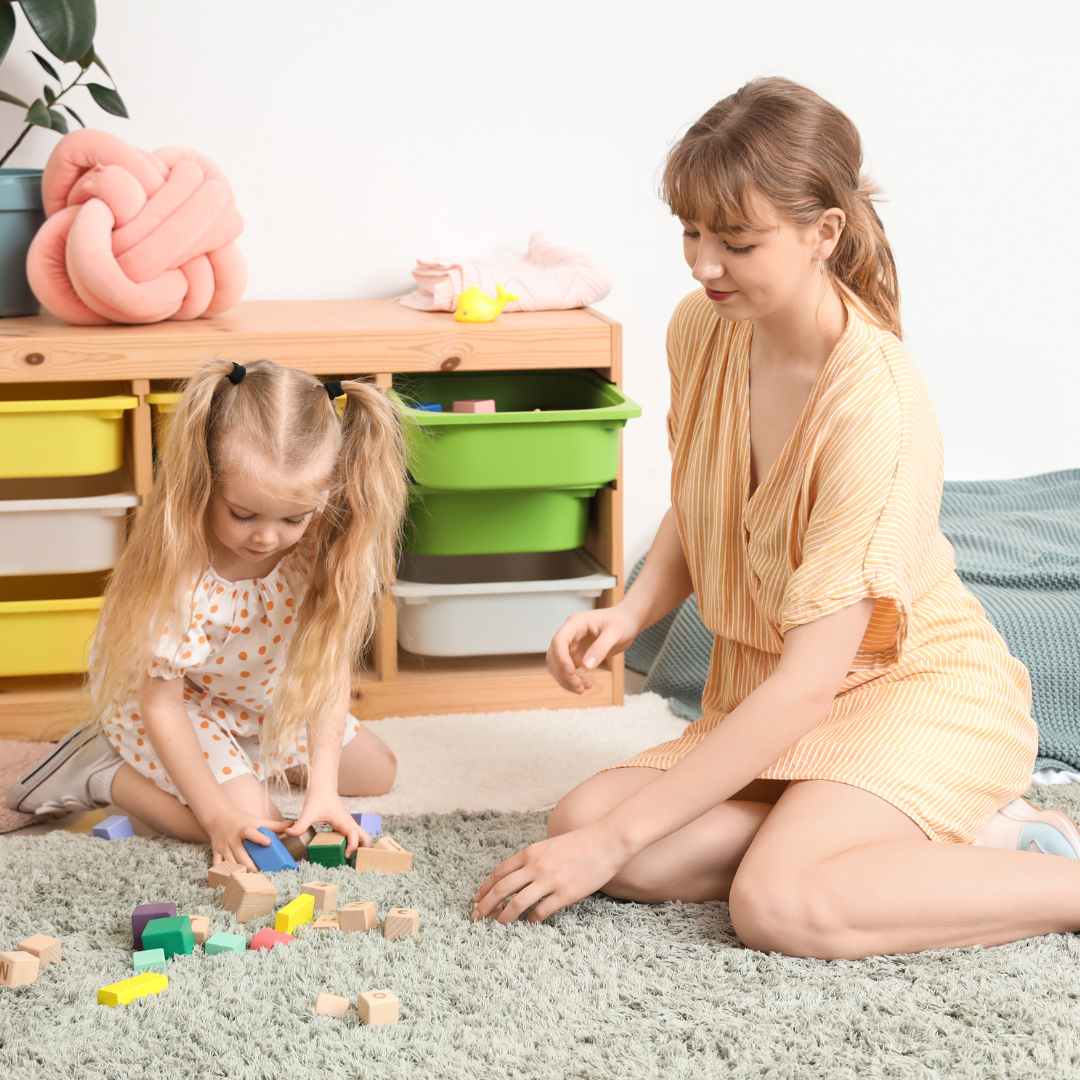
This is the moment most family declutters fall apart. Usually it’s because a parent pushes for an outcome instead of offering a process. Give every child one memory box, fixed in size — a shoebox or under-bed container works well. Let them choose what goes in it themselves. The box being full is the boundary, not your opinion about what’s worth keeping. For everything outside that box, try the “maybe” pile. Items go into a sealed container with a date written on it, stored out of sight for three months. If nobody misses it by then, it leaves without a conversation. This takes the emotional weight off any single decision. It lets time do the work that arguing never will.
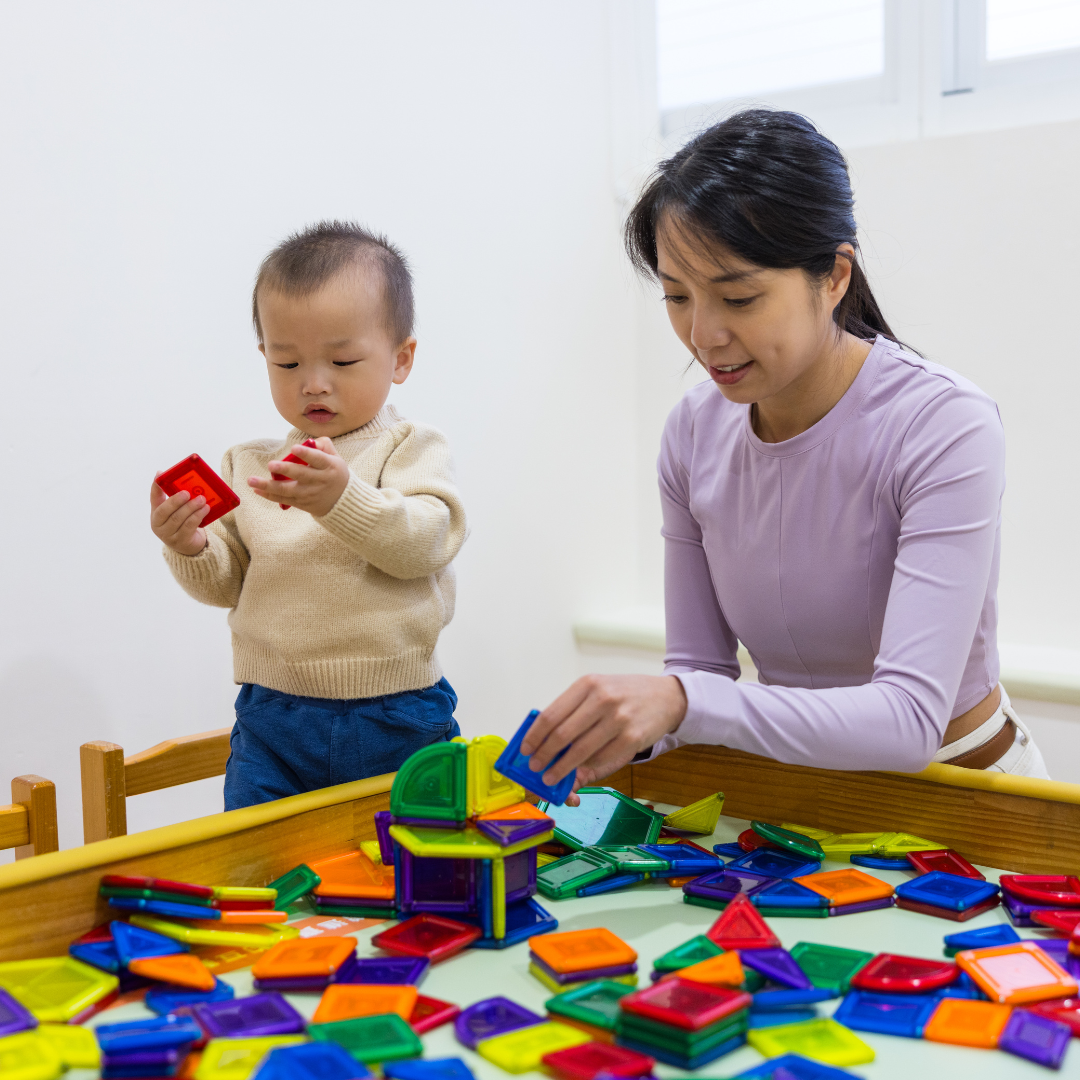
Building habits that make decluttering with kids easier next time
The goal isn’t one perfect clean-out. It’s a system that needs less of them over time. Build in a standing reset, like ten minutes every Sunday evening, so clutter never piles back up to crisis point. Use a one-in-one-out rule for new toys and clothes. Something existing leaves before something new comes in, and kids start applying that filter themselves. Keep storage genuinely easy to use. A low open bin a seven-year-old can manage beats a beautiful system that’s too fiddly to maintain alone. Notice the small wins out loud — “you got that done so fast” works better than any lecture on responsibility. Decluttering with kids gets easier every time you do it. You’re not just clearing a room. You’re building a habit they’ll carry into their own homes one day.
Ready to Get Your Home Organised?
If you’d love a professional set of hands to help you declutter and organise your home, Eve and the Ducks in a Row team are here to help. We work with busy Melbourne families to create calm, functional spaces with simple systems that actually stick.