

Decluttering toy room spaces can feel overwhelming, especially when they’re a hub of activity, creativity, and, often, chaos. Between birthday gifts, holidays, and everyday play, toys multiply faster than most parents expect. Over time, the once-fun playroom can become a source of stress rather than joy, with toys spilling onto the floor, mismatched sets, and storage bins overflowing. The good news is that with the right approach to decluttering the toy room, you can tame toy overload and create an organised, functional space. With structured steps, practical storage solutions, and a clear system, your toy room can once again become a place of creativity and calm. This guide provides everything you need to declutter, organise, and maintain a toy room that truly works for busy families.
Why Decluttering the Toy Room is Important
Cluttered toy rooms affect both children and parents in several ways:
- Daily frustration: Searching for missing pieces or favourite toys can lead to tension and wasted time.
- Reduced play value: Children may overlook toys buried under piles, limiting engagement and creativity.
- Safety hazards: Small toys on the floor can cause trips and falls.
- Stress impact: Visual chaos can increase anxiety for parents and children alike.
Decluttering the toy room not only restores order but also creates a safer, more functional, and enjoyable space for children to play.
Step 1: Empty the Toy Room
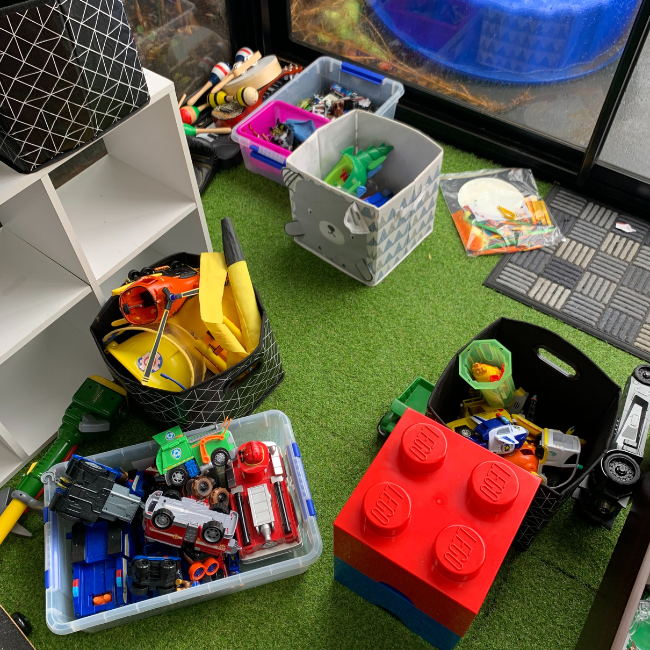
The first step is to take everything out.
- Remove all toys from shelves, bins, and baskets.
- Lay items out on a clear surface — bed, floor, or large table — so you can see everything at once.
- Emptying the space provides perspective and allows for accurate sorting.
Tips:
- Take photos before and after to track your progress and motivate your family.
- If the toy room is large, tackle it in zones: blocks, dolls, art supplies, etc., to prevent overwhelm.
- Use a laundry basket or storage tub to collect smaller toys while sorting.
Step 2: Sort Toys into Categories
Once everything is out, sort items to determine what stays and what goes:
- Keep: Toys that are age-appropriate, complete, and frequently used.
- Donate: Toys in good condition but no longer played with. Local charities, hospitals, or community centres often welcome donations.
- Toss/Recycle: Broken, worn-out, or incomplete toys that cannot be repaired.
- Relocate: Toys that belong in another room or should be stored elsewhere.
Tips:
- Involve your children in the decision-making process to give them ownership and teach responsibility.
- Use the “six-month test”: If a toy hasn’t been played with in six months, it’s likely time to part with it.
- Consider sentimental items separately — you may want to store them rather than donate immediately.
Step 3: Group Similar Toys Together
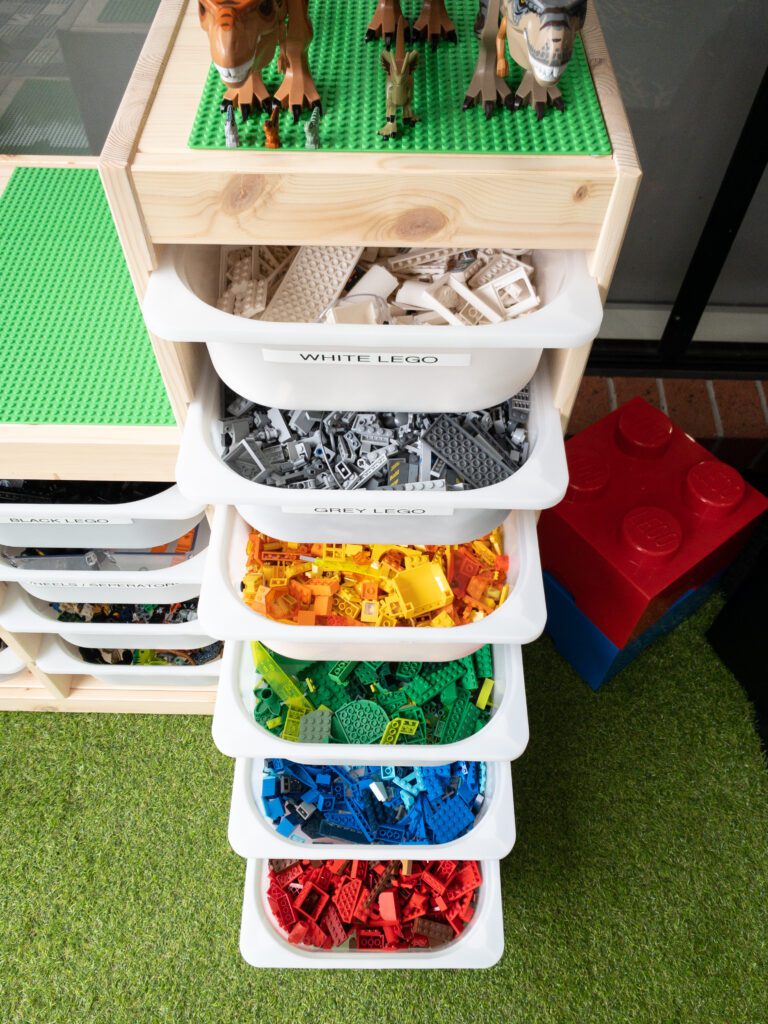
Grouping toys by type improves accessibility and makes clean-up easier:
- Blocks and construction sets
- Dolls, action figures, and role-play items
- Cars, trains, and vehicles
- Art and craft supplies
- Board games and puzzles
Tips:
- Use clear containers so children can see the contents without opening each box.
- Label bins with words or pictures to make it easy for kids of all ages to put items back.
- Consider a toy rotation system to reduce overwhelm — store some toys away and swap them out periodically.
Step 4: Implement Smart Storage Solutions
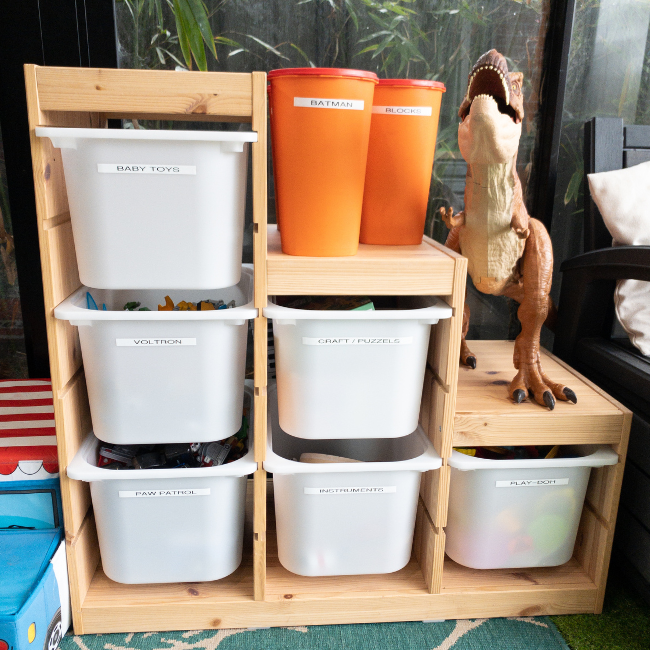
Investing in the right storage solutions can transform the toy room:
- Bins and baskets: Keep smaller toys together and prevent pieces from being lost.
- Shelving units: Open shelving encourages children to access and return toys independently.
- Labelled drawers: Simple labels or picture guides make organisation intuitive.
- Rolling carts: Great for craft supplies or toys that move between rooms.
- Hanging storage: Use mesh bags or fabric hangers for stuffed animals or lightweight items.
Tips:
- Store frequently used toys at child-eye level, and place seasonal or rarely used items higher or lower.
- Colour-code bins or shelves to make clean-up fun and systematic.
- Ensure each toy has a home — if it doesn’t, it’s likely to contribute to clutter again.
Step 5: Implement a Toy Rotation System
Rotating toys keeps the room manageable and playtime exciting:
- Store a portion of toys in a separate storage area or closet.
- Rotate weekly or monthly, giving children access to a smaller selection at a time.
- This approach reduces overwhelm, keeps interest high, and makes playtime more creative.
Tips:
- Track the rotation schedule on a calendar or whiteboard.
- Encourage children to help choose which toys go into rotation — this builds decision-making skills.
- Keep an inventory of all toys to prevent losing pieces during rotations.
Step 6: Teach Children to Maintain Order
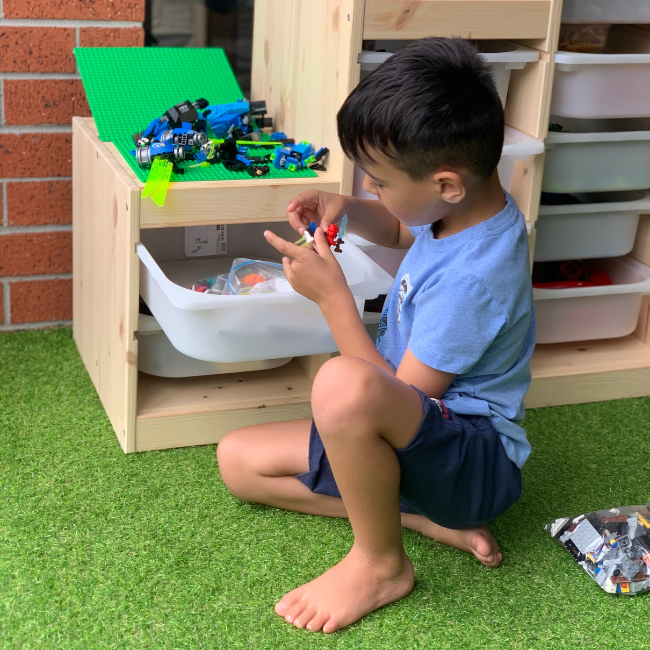
A decluttered toy room works best when everyone contributes:
- Encourage children to return toys after playtime.
- Make clean-up fun: use music, timers, or games to motivate participation.
- Praise efforts to maintain the system, reinforcing positive habits.
Tips:
- Assign age-appropriate responsibilities: younger children handle smaller toys; older kids manage bigger items.
- Incorporate a daily tidy-up routine — just 5–10 minutes a day can prevent clutter from accumulating.
- Use visual cues like labelled bins or colour-coded shelves to make maintenance intuitive.
Step 7: Professional Organising Support
For families with large collections, multiple children, or particularly chaotic toy rooms, professional organisers can make a big difference:
- Offer hands-on decluttering and assessment.
- Design customised storage systems tailored to your home and family routine.
- Provide strategies for long-term maintenance and organisation.
Even a short consultation can give you a practical, actionable plan to reduce clutter and create a toy room that’s easy to manage.
Final Thoughts
Decluttering the toy room is about more than just tidiness — it transforms your home environment, daily routines, and family life. By following these steps, you can:
- Reduce stress and frustration for both parents and children.
- Make toys easier to find, access, and enjoy.
- Teach children valuable organisational skills.
- Create a safer, more enjoyable space for play.
Maintaining order is key. A few minutes of daily or weekly upkeep, coupled with a smart toy rotation system, ensures your toy room stays organised and clutter-free for the long term.
If you feel overwhelmed or want expert guidance, book your free consultation with Ducks in a Row Home Organisation. Our experienced team can help you declutter, optimise storage, and maintain a toy room that’s functional, fun, and easy to manage — so you can focus on enjoying quality time with your children instead of battling clutter.